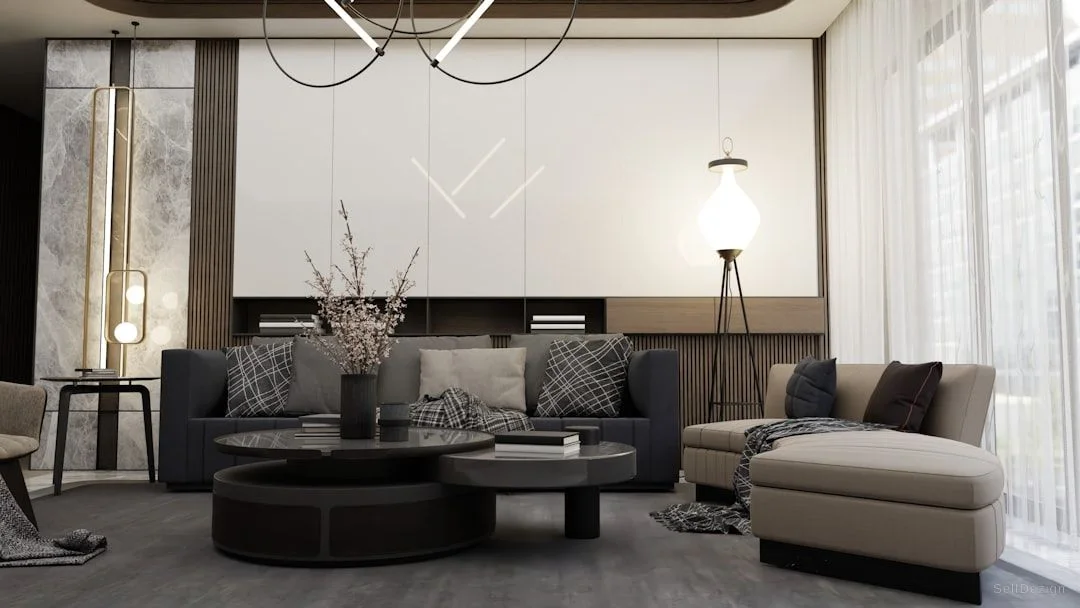
Style Choice Guide 2026: How to Decide Right
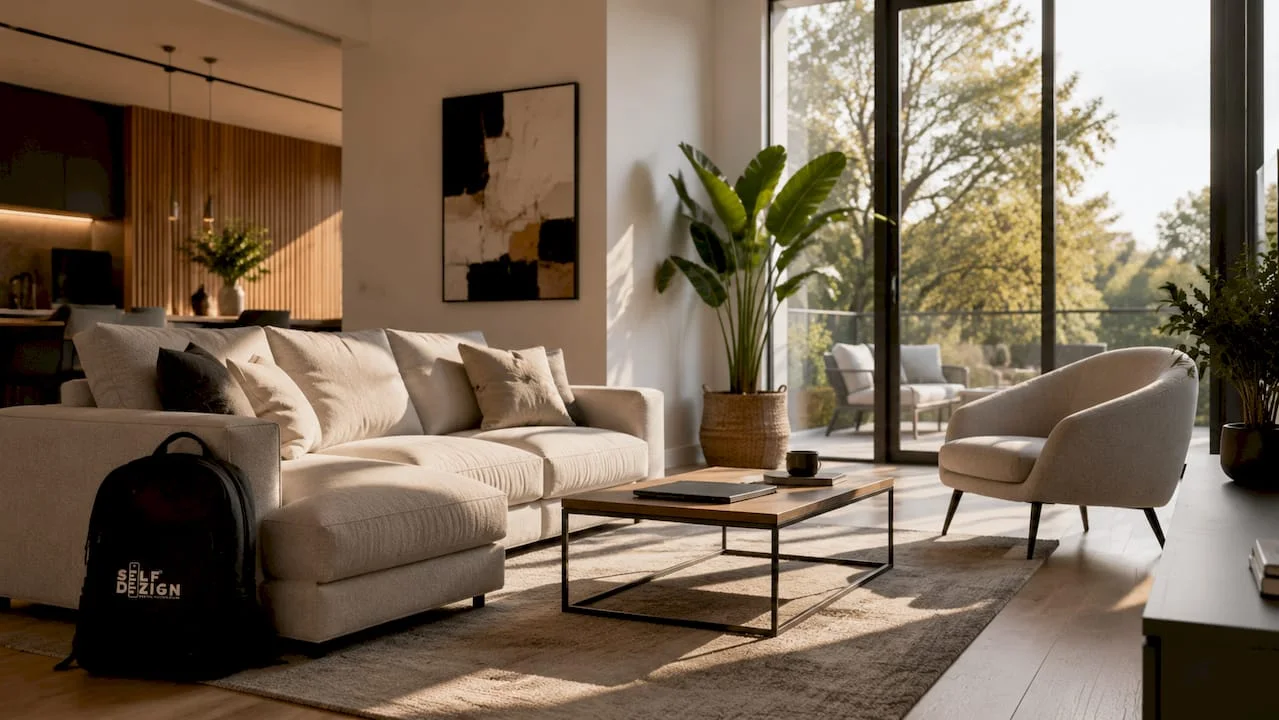
Choosing the design style is the process of identifying and selecting the visual vocabulary that will define a space, aligning it with your personality, the way you live and the relevant trends of 2026. It is not an isolated aesthetic decision. It's a decision about how you want to feel in your own space every day. This 2026 style choice guide gives you a clear framework: where you start, what styles exist, what trends matter and how you integrate everything without repeating the classic mistakes of hasty renovations.
How to identify your personal style of design
Personal style is not chosen from a catalogue. It reveals itself starting from the things you already have and love.Construction of the layout around a dear pieceis one of the most effective ways to bring authenticity and coherence to a space. If you have an inherited vintage armchair, a solid wood table or a carpet with a special texture, that piece becomes the focal point around which the rest is built.
Before choosing a style, answer a few specific questions:
- How do you use your space every day?Do you cook a lot, work from home, get guests often?
- What materials do you like to touch?Raw wood, polished concrete, soft textiles?
- What bothers you in other people's spaces?The visual clutter, the cold, the excess of ornaments?
- What colors do you feel good in?Not the trendy colors, but the ones you relax in.
- How often do you want to change something?If the answer is "often", you need a flexible style, not a rigid one.
The answers to these questions outline your real style, not the one you think you should have. Great designsupports mental well-beingand it functions as an extension of the identity of the person who lives there. That means that a beautifully photographed space, but uncomfortable to live in, is not a good design.
Professional advice: Gather 10–15 photos of places you like without thinking why. Look at them together and look for what they have in common: the tone of colors, the type of furniture, the amount of natural light. That common denominator is your style.
This inspirational selection works like a filter. It doesn't tell you which style to choose, but shows you how you already feel about certain spaces. The next step is to understand which stylistic family your preferences fall into.
What are the main interior design styles relevant in 2026?
The 18 interior design styles recognized in 2026 are organized into 4 major families. This classification helps to quickly identify the right direction without getting lost in the details.
|
Stylistic family |
Key Features |
Representative Styles |
|---|---|---|
|
Curated / Functional |
Order, clarity, functionality, natural materials |
Warm minimalism, Japandi, Scandinavian, Bauhaus |
|
Eclectic / Personal |
Free mixing, personal narrative, story plays |
Eclectic, Boho, Controlled Maximalism, Vintage |
|
Statement / Luxury |
Premium materials, art pieces, strong visual impact |
Art Deco, Glamour, Contemporary Luxury |
|
Traditional / Rustic |
Heat, wood, natural textiles, cultural references |
Rustic, Provençal, Farmhouse, Mediterranean |
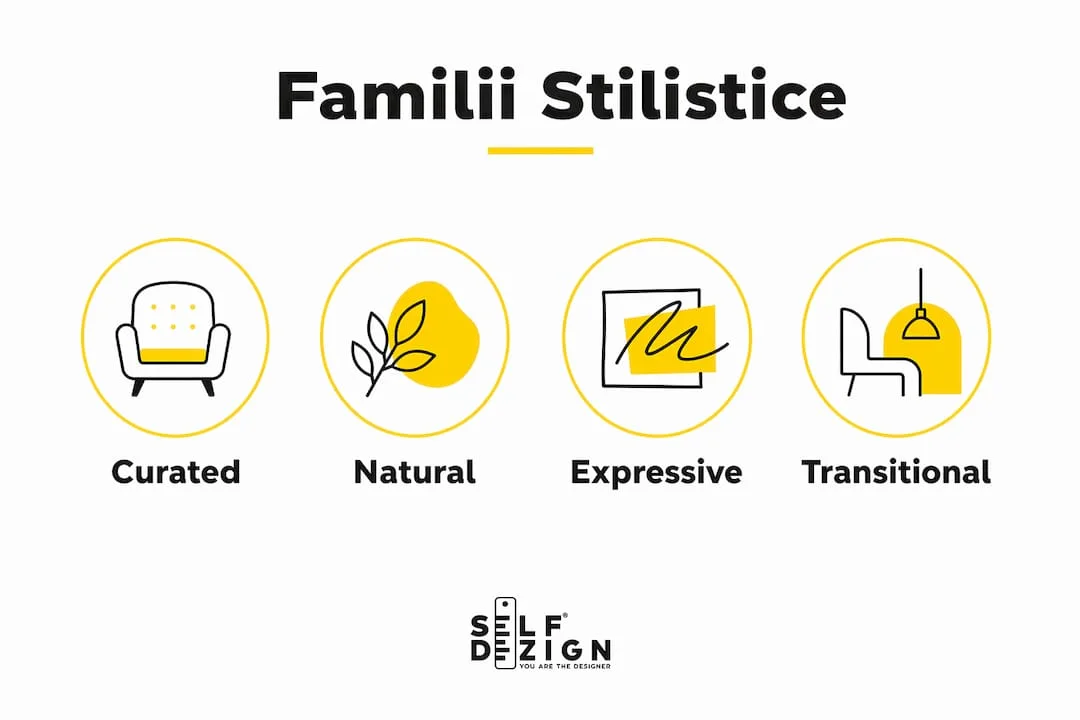
Each family responds to a different type of need. The familyCurated/Functionalfits those who value order and visual clarity. The familyEclectic/Personalis the choice of those who want the space to tell a story of their own.Statement/Luxuryoperates in large spaces with consistent budget and desire for impact.Traditional/Rusticbrings warmth and continuity, especially in houses with classical architecture or in the countryside.
A few styles deserve special attention in 2026:
- Warm minimalismreplaces the cold minimalism of previous years. Organic shapes, warm neutral tones, and natural materials create clean but not sterile spaces.
- Japandicombines Japanese aesthetics with Scandinavian functionality. The result is a calm space with few objects, each carefully chosen.
- Controlled Maximalismdoesn't mean chaos. It means abundance with a clear narrative: a coherent color palette, complementary textures, and meaningful pieces.
- Biofilicintegrates nature into space through plants, organic materials, natural light and textures reminiscent of the outside.
Choosing between these styles doesn't just depend on aesthetic preference. It also depends on the area of the space, the height of the ceilings, the amount of natural light and the budget available. A 45 sqm apartment with low ceilings will not support a Statement/Luxury style as well as a villa with generous spaces.
What key trends in interior design influence your choice of style in 2026?
The dominant trend of the year iswarm minimalism, which marks a clear change from the cold and sterile aesthetics of the past decade. The spaces in 2026 are clean but not empty. They are tidy but not rigid. Heat comes from materials, not flashy colors.
The main directions influencing the choice of style now are:
- Authentic natural materials. Natural textilessuch as wool, flax and hemp contribute decisively to the visual and tactile comfort of a space. They bring a quality feeling that synthetic materials cannot replicate.
- Point chromatic accents.Saturated colors do not cover entire walls. They appear on an armchair, a carpet, or a piece of art. The rest of the space remains neutral.
- Statement parts.A lamp with a sculptural design, a hand-painted cabinet or a table with a natural stone countertop become the visual center of the room. The rest of the furniture retreats.
- Flexibility and multifunctionality.Modular furniture and smart storage solutions meet the need for adaptable spaces, not rigid spaces. This trend directly influences the choice of style: styles that allow reconfiguration are preferred to those that impose a single fixed formula.
- Mix of styles with coherence.The rule of strict adherence to a single style becomes obsolete. Freedom of expression is valued through coherent combinations, not uniformity.
Professional advice: Don't adopt a trend because it's fashionable. Adopt it if it solves a real issue in your space. Warm minimalism works great in small apartments with limited light. Controlled maximalism makes sense in a large living room where you want to create atmosphere. The right trend is the one that fits your space, not the one in magazines.
Major changes in comfort come through natural textures rather than color palettes. This is an important practical observation: if you want to change the atmosphere of a space without complete renovation, start with textiles and materials, not the color of the walls.
Practical steps to integrate your chosen style into your layout
Choosing the style is the first step. Its integration into the space is the process that follows and that decides whether the final result will be coherent or improvised. A clear order of decisions follows.
1. Set Functional Priorities
Before any aesthetic decision, define how the space will be used. A bedroom that also serves as an office has different needs than one dedicated exclusively to rest. Functionality sets the boundaries within which style operates, not the other way around.
2. Choose color palette and materials
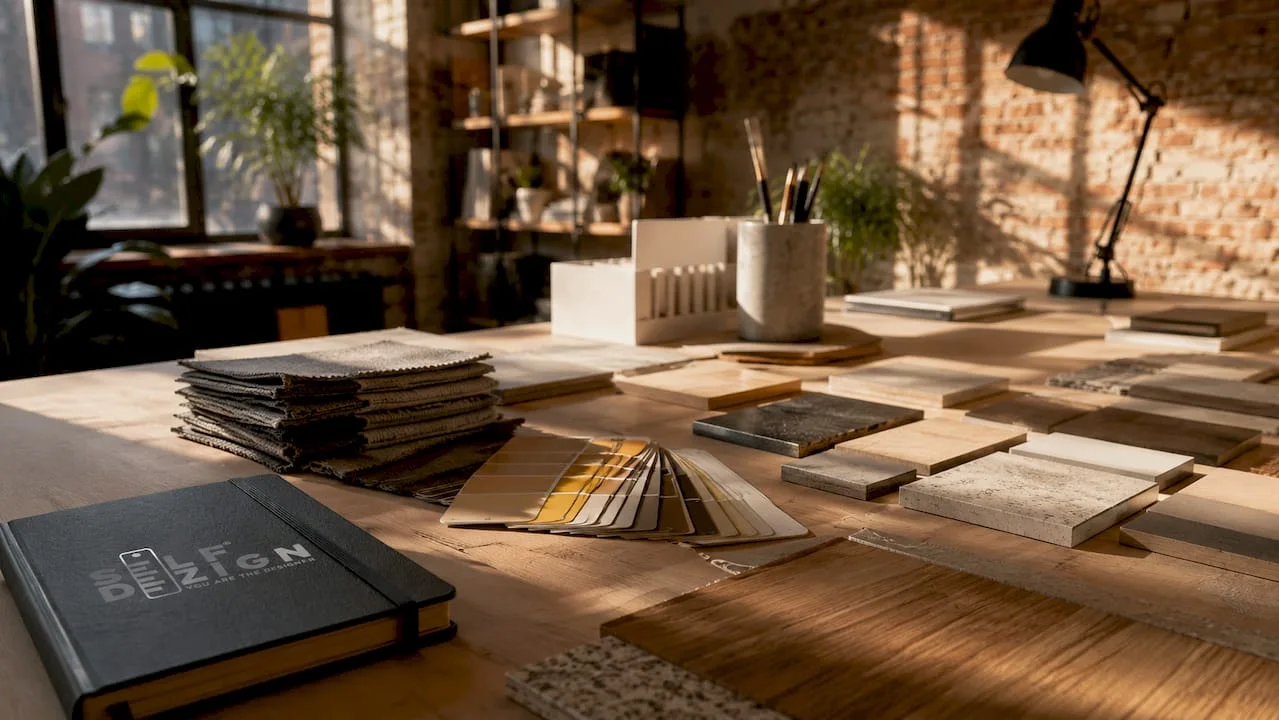
The color palette is built around 3 tones: a dominant tone (60% of surfaces), a secondary tone (30%) and an accent (10%). Materials are chosen according to style and durability. Solid wood, natural stone and matte metal resist over time and integrate into several styles.
3. Invest in sustainable core parts
The sofa, bed, dining table and storage are the remaining pieces. Choose them in the basic style you've decided and make sure they're quality. Reversible updates through statement pieces and natural textiles provide high impact without complete renovation. Pillows, carpets, curtains, and decorative items are items you can change at no cost.
4. Mix with a common narrative thread
If you want to combine styles, you need a unifying element. It can be a color palette, a recurring material or a type of shape (organic versus geometric). The free mixing of styles with a common narrative thread reflects the freedom of personal expression and produces spaces with character, not copies of trends.
5. Plan milestones and budget
Complete renovation or refurbishment is not done all at once. It divides the process into stages: large structure and finishes (floors, walls, carpentry), basic furniture, lighting, textiles and decorations. This order protects you from hasty decisions and unplanned expenses.
|
Step |
Ce include: |
Prioritate |
|---|---|---|
|
Structure & Finishes |
Floors, walls, carpentry, installations |
Maximal |
|
Basic furniture |
Sofa, bed, table, storage |
High |
|
Iluminat |
Main and accent bodies |
High |
|
Textile |
Carpets, curtains, pillows, drapes |
Medie |
|
Décor |
Art, plants, decorative objects |
Flexible |
Professional advice: Allocate 10–15% of your total budget for adjustments and contingencies. Almost any arrangement generates at least one decision for change along the way. The backup budget gives you the freedom to make that change without stress.
You can also reviewthe essential steps for residential developmentfor a more detailed view of the complete process, from concept to implementation.
What I learned from real projects about choosing style
I've been working with clients who have been planning renovations for years, and I notice the same pattern over and over again: people come in with a chosen style from Instagram and leave with a space that doesn't resemble what they imagined. Not because the style was wrong, but because it was not adapted to the real space, the real light and the real life of the one who lives there.
The most commonly misunderstood is that style is a list of items to buy. She's not. Style is a visual logic. It is how the elements of a space communicate with each other. You can buy all the pieces of a minimalist style and get a chaotic space if you don't understand the proportions, distances, and the relationship between full and empty.
Another thing I noticed: the customers who are most successful with the design are the ones who know what they don't want. Not what style they want, but what they don't tolerate. I do not tolerate visual clutter. I do not tolerate cold spaces. I do not tolerate furniture that does not have a clear function. These negative limits are more useful than any mood board.
The livability of the space is the real differentiator between a good design and a visual one only. A space that looks good in photos but doesn't feel comfortable after a week is a design failure, no matter what style you choose. This perspective completely changes the way you approach style choice: you are no longer looking for what is beautiful, but what is yours.
My practical recommendation is not to choose a style before living in the space for at least a few weeks, if the situation allows it. Notice how the light comes in, where you stop most often, what you lack and what you have too much of. That direct observation is worth more than any decorating guide.
Toni
SelfDesign and choosing the right style for your home
Choosing the design style is a decision worth more than an online search. SelfDezign works with clients in Bucharest and Europe to create residential spaces that reflect the real identity of the person living there, not standard formulas or copied trends. The process includes the interior concept, technical design and coordination of implementation, from the first conversation to the last detail. If you're in the planning stage and want to understand what style suits your space and your life,residential SelfDezign designis the right starting point. You can also explorestrategies for inner functionalityto understand how the chosen style translates into concrete fitting decisions.