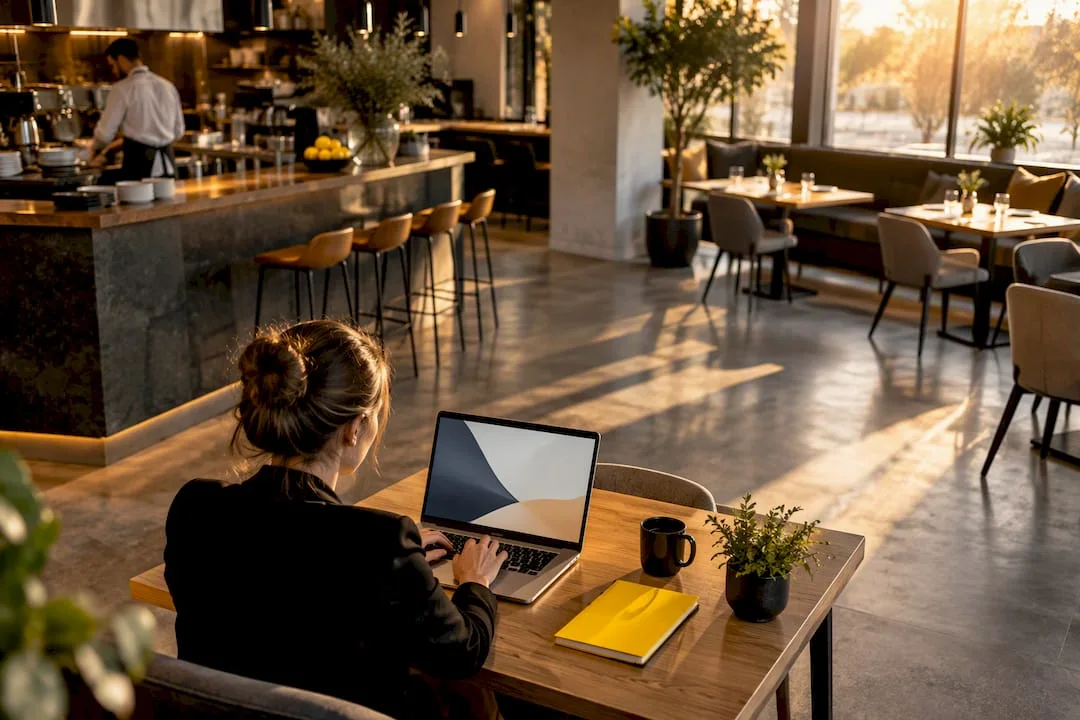
Importance of indoor atmosphere for health and comfort
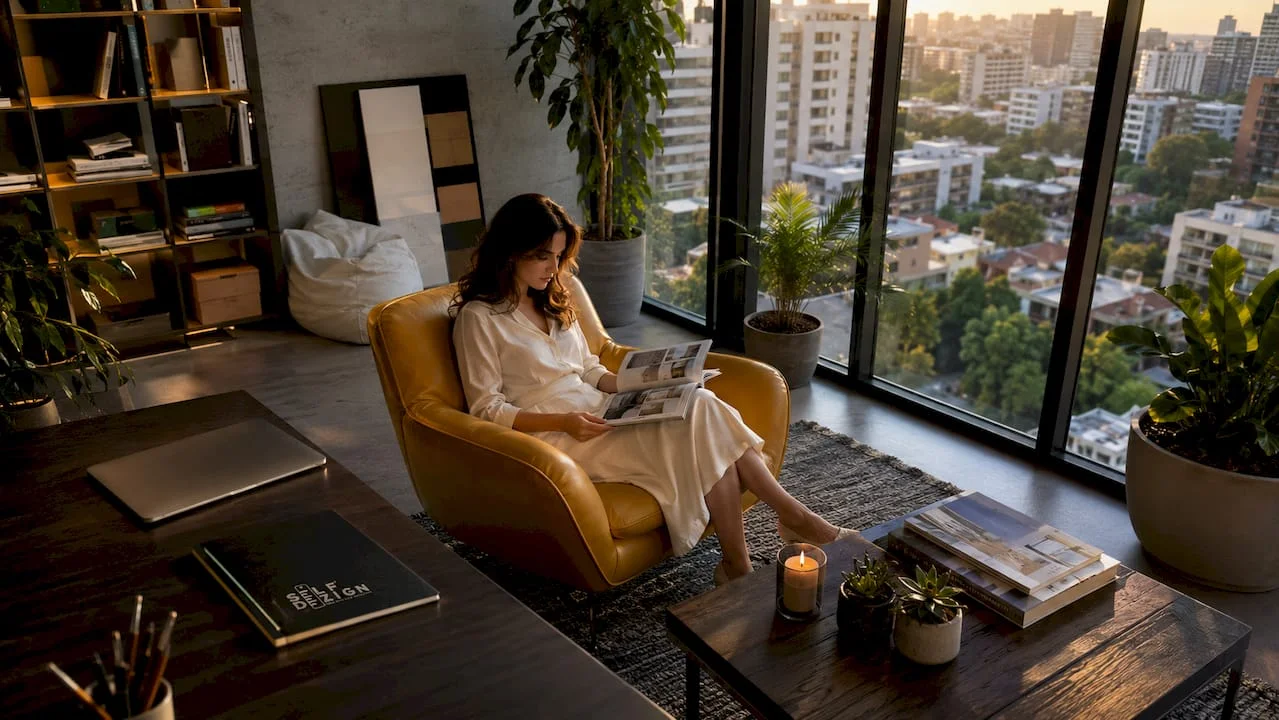
The indoor atmosphere is the combination of visible and invisible factors that determine how comfortable, healthy and productive a space is for those who use it. Air quality, humidity, lighting and design are not secondary details. There are variables that directly influence people's energy level, mental clarity, and emotional state. The World Health Organization and the National Institutes of Health (NIH) include the indoor environment among the determinants of public health, precisely because we spend between 80% and 90% of our time indoors. The importance of the interior atmosphere does not depend on aesthetic preferences. It's biology.
How indoor air quality affects well-being and productivity
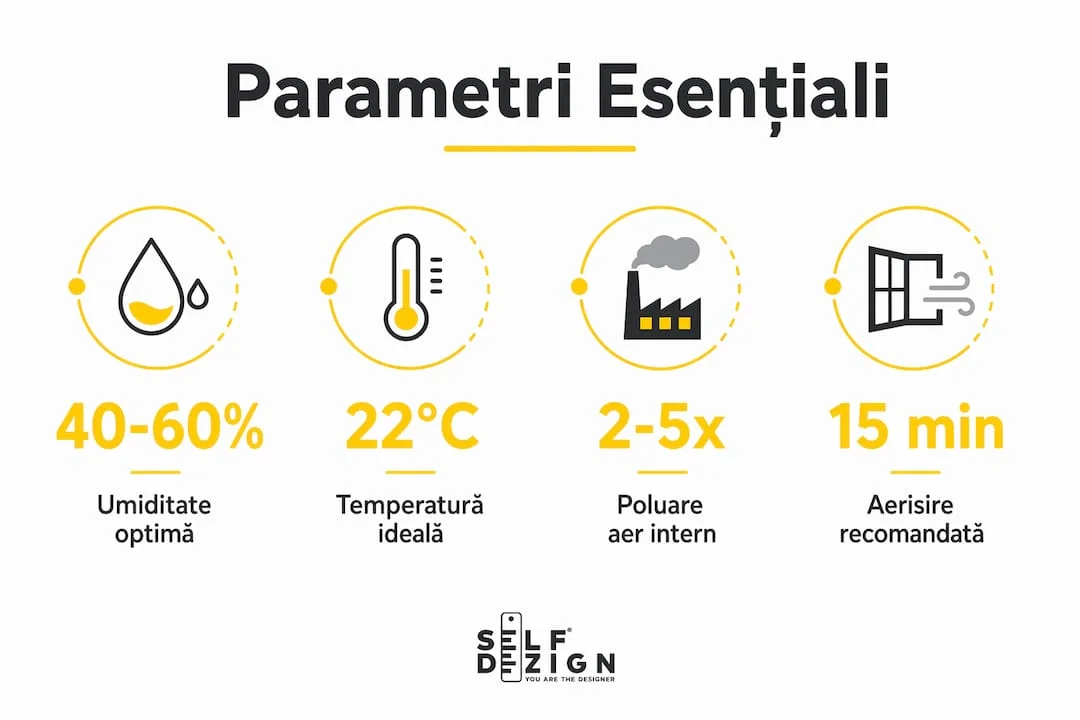
The air inside homes is2 to 5 times more pollutedthan outside air. This reality surprises many people, who associate pollution exclusively with traffic or industry. Sources of indoor pollution are more discreet: paints, CHIPBOARD furniture, cleaning products, mold, and even occupants' breath.
Increased CO2 concentration is one of the most underestimated factors affecting cognitive performance. When CO2 exceeds the threshold of 1. 000 ppm in an unventilated room, the ability to concentrate decreases visibly, and fatigue occurs earlier. In an office with closed windows and several employees, this threshold is reached quickly in a few hours.
Air quality also affects sleep.Drying laundry indoorsand lack of proper ventilation turns your bedroom into a source of excessive humidity and suspended particles. Sleep becomes less restful, and the energy of the next day decreases proportionately.
Practical measures to improve air quality:
- Regular ventilation: open the windows for at least 10–15 minutes in the morning and in the evening, regardless of the season.
- Air purifiers with HEPA filters: reduce fine particles, allergens and volatile organic compounds inside.
- Indoor plants: species such as Sansevieria or Pothos absorb some of the pollutants and increase humidity slightly.
- Avoid drying laundry indoors: this increases humidity and favors the appearance of mold.
- CO<g id="1">2 </g>monitoring: simple air quality sensors show when it's time to ventilate.
INFORMATION: Ventilate the bedroom for at least 15 minutes before going to bed. Proper ventilation improves oxygenation and sleep quality, and the effect is felt from the first night.
What is the optimal level of humidity and indoor microclimate?
Relative humidity is one of the most neglected parameters of indoor comfort.The recommended range is 40% -60%. Below this limit, the nasal mucous membranes dry out, the skin becomes sensitive, and the risk of respiratory infections increases. Over 60%, mold appears on walls and furniture, and air quality degrades rapidly.
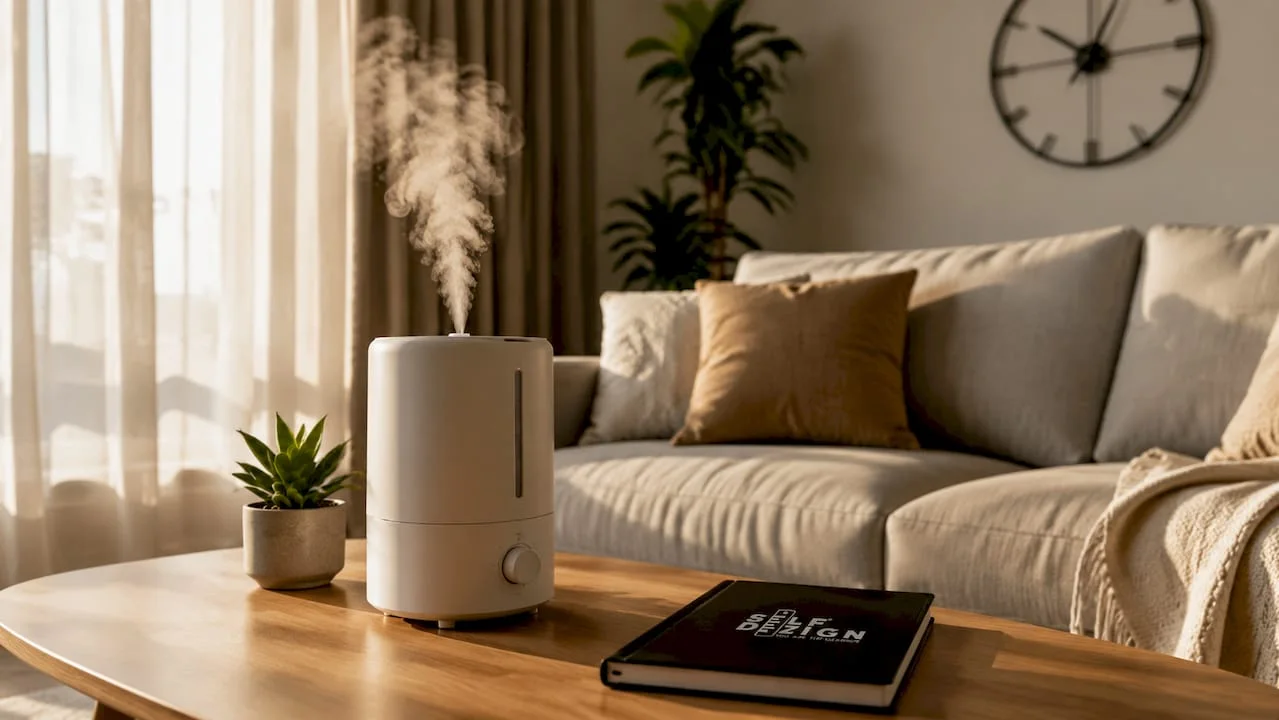
Temperature and humidity interact directly in the perception of thermal comfort. A room at 22°C with 30% humidity feels colder and drier than the same temperature at 50% humidity. This interaction explains why adjusting the thermostat alone does not resolve the feeling of discomfort.
|
Parametru |
Optimal range |
Effect on overtaking |
|---|---|---|
|
Relative Humidity |
40/60 |
Mold, irritation, infection |
|
Temperature (day) |
20°C-24°C |
Thermal discomfort, fatigue |
|
Temperature (night) |
16°C-19°C |
Restless sleep, frequent awakenings |
|
CO2 |
less than 1,000 ppm |
Decreased concentration |
Equipment that helps maintain the proper microclimate includes dehumidifiers (for areas with high humidity), humidifiers (for winters with central heating) and mechanical ventilation systems with heat recovery. The latter are especially recommended for offices and clinics, where the number of occupants is variable.
Controlling moisture sources is just as important as equipment. Cooking without a hood, the bathroom without ventilation and too many plants in small spaces contribute significantly to the increase of humidity.correct ventilationstarting from the identification of these sources, not from the purchase of an appliance.
INFORMATION: Invest in a simple digital hygrometer, available at a few dozen lei. You place it in your bedroom or office and check the humidity daily for a week. You'll quickly understand if your space has a structural or behavioral issue.
How does interior design influence emotional and biological balance?
Interior design has long outgrown its aesthetic role.Every design decisioninfluences the emotions and productivity of the occupants, from the choice of colors to the type of lighting and the amount of free space. This is not a metaphor. It is a reality documented by the neuroscience of the built environment.
Natural light is the most powerful tool of a designer who understands the impact of the indoor environment. Exposure to daylight regulates circadian rhythm, reduces cortisol levels, and improves mood. An office with large windows and no heavy curtains produces a different effect than the same office with artificial lighting, even if the temperature and humidity are the same.
Visual agglomeration increases cortisol levelsand affect emotional balance. An orderly space with free visual areas allows the nervous system to relax. This is the difference between a room that “tires” and one that “soothes”, even if the furniture is the same.
Design elements with direct impact on the atmosphere:
- Oglinzile: amplifies natural light and reduces the perception of small space without adding visual clutter.
- Culorile: warm tones (beige, terracotta, warm white) reduce anxiety; blue and green support concentration.
- Warm evening lightingHelyesb.biz.:stimulates melatonin productionand prepares the body for sleep.
- Ambient sound: Low-volume background music or natural sounds reduce perceived stress in commercial and office spaces.
- Clearances: areas without furniture or decorative objects provide essential "visual breaks" for mental relaxation.
The indoor atmosphere acts as a preventive therapy when reducing anxiety is achieved through natural light and eliminating visual clutter. This perspective changes the way we look at the arrangement of a space: not as an aesthetic expense, but as an investment in the health of those who use it.
How do you optimize your indoor atmosphere for health and productivity?
Strategies differ depending on the type of space. A bedroom, office and restaurant have different needs, but the basic principles remain the same: clean air, balanced microclimate and design that supports the function of the space.
- Dormitorul: Ventilate at least 15 minutes before bedtime. Maintain the temperature between 16°C and 19°C at night. Use opaque curtains to block out artificial outdoor light. Remove screens at least 30 minutes before sleep because blue light suppresses melatonin.
- Biroul: Ventilate the space every 2 hours if there is no mechanical ventilation system. Position desks perpendicular to windows to get natural light without reflections on the screen. Maintains temperature between 20°C and 22°C for optimal cognitive performance. Unoffice interior designwell thought out also includes visual relaxation areas, not just workstations.
- Horeca Premises: Ventilation is critical, especially in crowded kitchens and serving areas. Lighting must be layered: bright in work areas, warm and diffuse in consumption areas. Ambient sound at a level of 60–65 dB creates a pleasant atmosphere without making conversation difficult.
- Medical clinics: Air quality and visual order reduce patient anxiety before consultation. Neutral colors and even lighting without harsh shadows contribute to an atmosphere of confidence.Neglect of a microclimate factorreduces the efficiency of others and decreases the energy of the occupants, regardless of the type of space.
- Business premises: Temperature and smell are the first factors perceived by a customer at the entrance. A space that is too hot or stale creates a negative impression before the product or service is evaluated. Investing in the microclimate is, in commercial spaces, a direct business decision.
The role of custom design is precisely to integrate all these variables into a coherent solution. Awell-built interior conceptdoes not treat air, light and furniture separately. Thinks them together, starting from the actual function of the space and the needs of those who use it daily.
What I've noticed in design projects about the interior atmosphere
We work on SelfDezign with spaces of very different types: offices, clinics, restaurants, homes. And there is a pattern that we see repeated, regardless of budget or surface. People invest in furniture, finishes, decorative items, and completely forget about air and light. He then wonders why the space “doesn't feel good,” although it looks exactly like the pictures.
The most commonly neglected element is not design. It's ventilation. We entered tastefully furnished offices with plants and art on the walls where CO2 was so high at 11am that people could barely concentrate. No one blamed the fatigue on the lack of oxygen. Everyone thought it was too much coffee or too little sleep.
The second underestimated element is evening lighting in residential spaces. Cold bulbs (over 4. 000 K) in the bedroom or living room in the evening keep the nervous system alert. Replacing them with hot sources (2. 700–3. 000 K) is one of the cheapest and fastest interventions with real effect on sleep quality and general condition.
What I have learned from experience is that the inner atmosphere is not built by adding elements. It is built by eliminating what disrupts and synchronizing what remains. A space with less furniture, good air and correct light always beats an overloaded space, no matter how expensive each object in it is. This logic guides every project we tackle at SelfDezign: we first understand what the space does for the people in it, and only then decide what we put in it.
- says Toni Bunaiașu
How SelfDesign supports the creation of a balanced indoor atmosphere
A well-functioning space is not the result of good aesthetic choices. It is the result of a design process that starts from the real needs of those who use it. SelfDezign integrates in each project the analysis of the microclimate, light flows and visual organization, along with the design concept itself. Whether it's an office that needs to support team focus or a commercial space that needs to create a strong first impression, the approach remains the same: context before solution. If you work in an office space and want to understand how it canoffice designsupport the productivity and comfort of your team, find details about SelfDezign services dedicated to workspaces. The atmosphere is not a final detail. It is the structure on which everything is built.