How to create a coherent inner visual identity
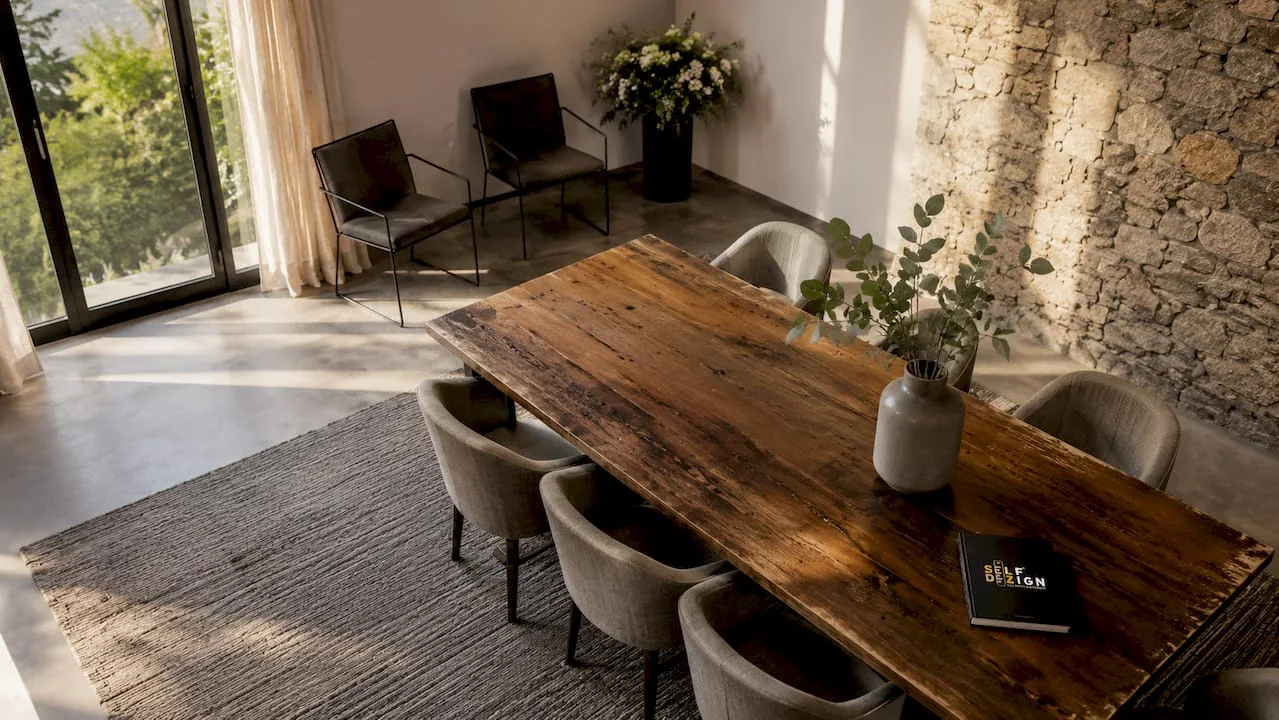
The inner visual identity is the sum of the visual elements that outline the atmosphere of a space and communicate the values of the one who lives or runs it. It is not about a style chosen from magazines, but about a coherent system: colors, materials, lights and signage that work together as a backbone of the space. If you want to know how to create an inner visual identity that lasts over time, the answer lies not in trends, but in clarity. The spaces that really impress are not the most expensive, but the most consistent.
What are the fundamental elements of the inner visual identity?
Inner visual identity, also called "inner branding" in professional practice, is built from a few basic components that must work together, not separately.
- Chromatic palette.Colors don't decorate, they communicate. A deep blue hue conveys stability and seriousness, while a warm beige suggests accessibility and comfort.Chromatic inconsistencytransmits unorganization and poor attention to detail. The palette should be applied coherently to walls, furniture, textiles and graphics.
- Materials and textures.Solid wood communicates something other than foiled MDF. The concrete apparently says something other than decorative plaster.QUALITY OF MATERIALSis an essential non-verbal signal for the perception of professionalism. Their choice is not an isolated aesthetic decision, but a brand decision.
- Typography and signage.Fonts used on walls, signs or graphics in the space must come from the visual identity of the brand or owner. The interior signs must be legible, with dimensions appropriate to the location and with a clear design, without overloading the messages.
- Layered lighting.Light is not an accessory, but a design tool. General lighting, accent lighting and decorative lighting create layers that define the atmosphere and guide attention.Dedicated spotlights and LEDsfor logos or key areas contributes significantly to the impact of visual identity.
- Overall consistency.Each element works well in itself, but the real power comes when they all speak the same visual language. A coherent space needs no explanation: it goes without saying.
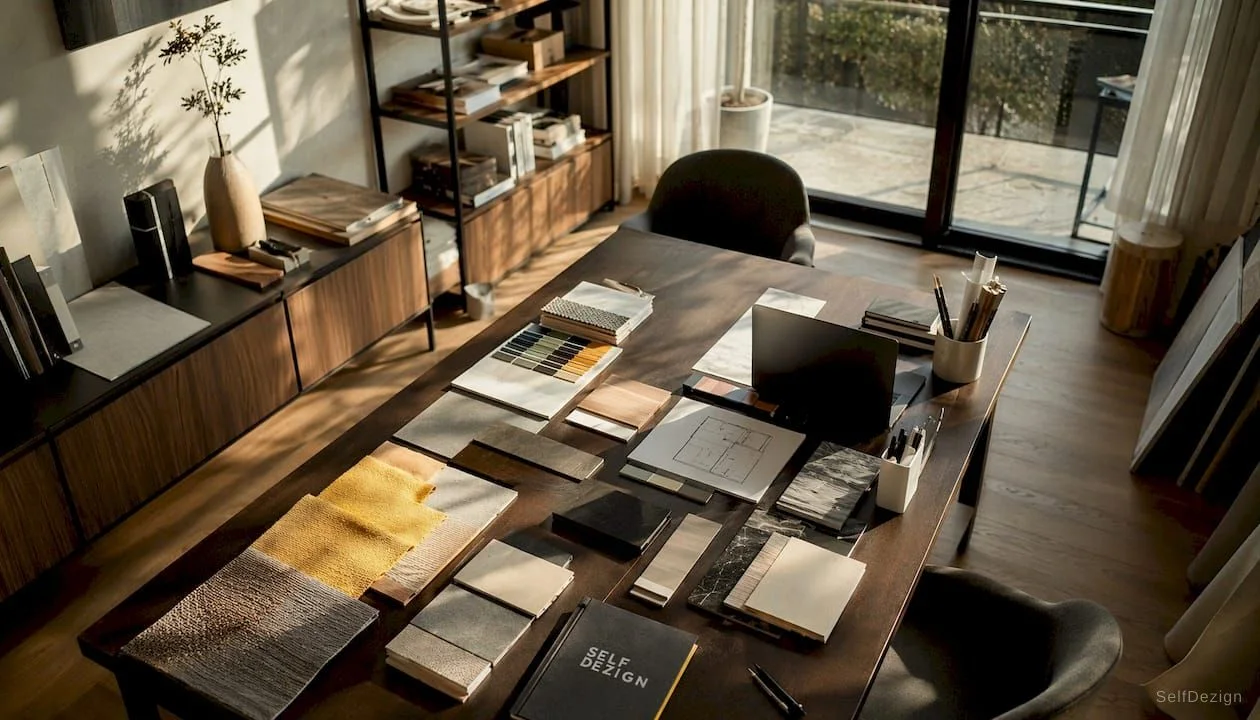
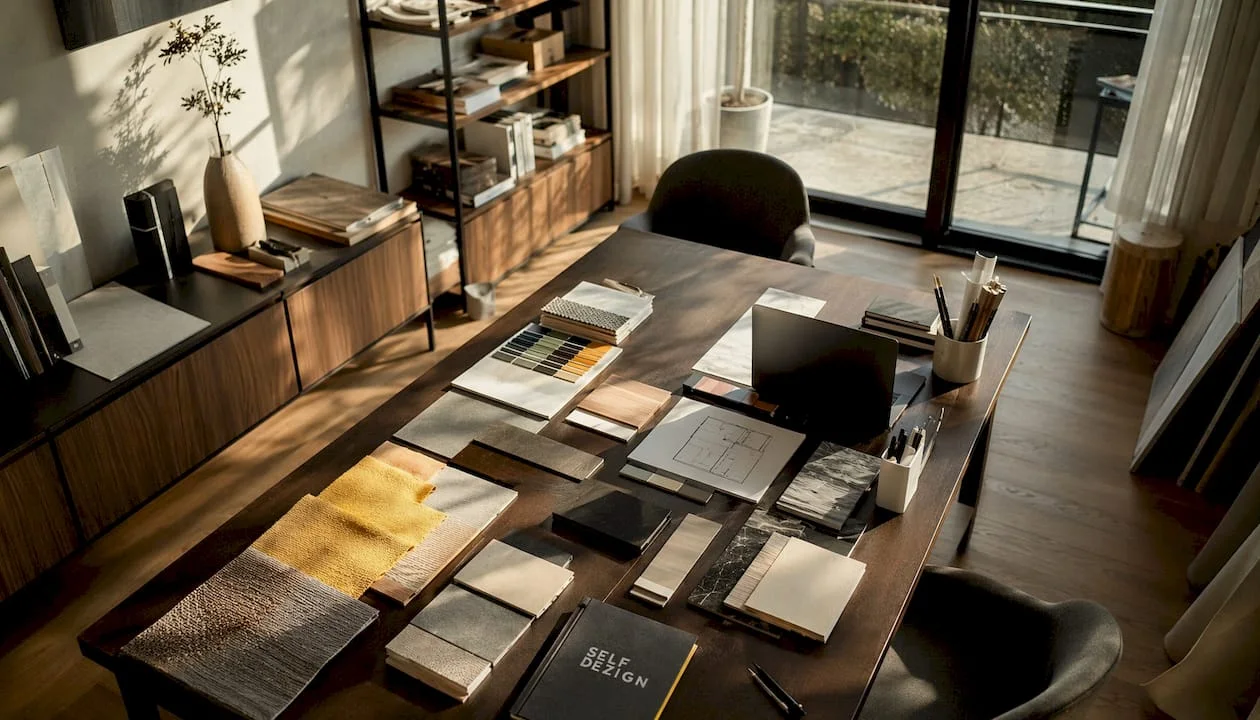
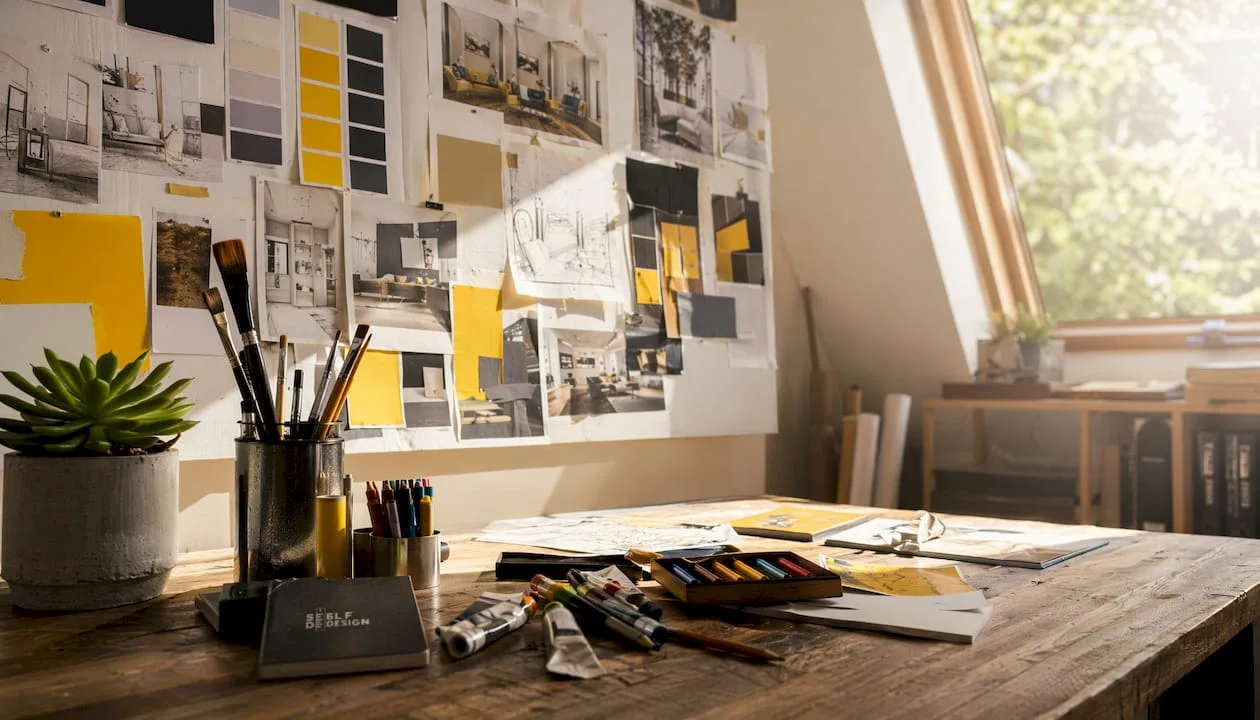
My advice: Create a physical or digital mood board before you buy anything. Put together samples of materials, colors, reference photos, and fonts. If it doesn't look good on the board, it won't look good in space either.
How do you step-by-step develop a visual identity for your space?
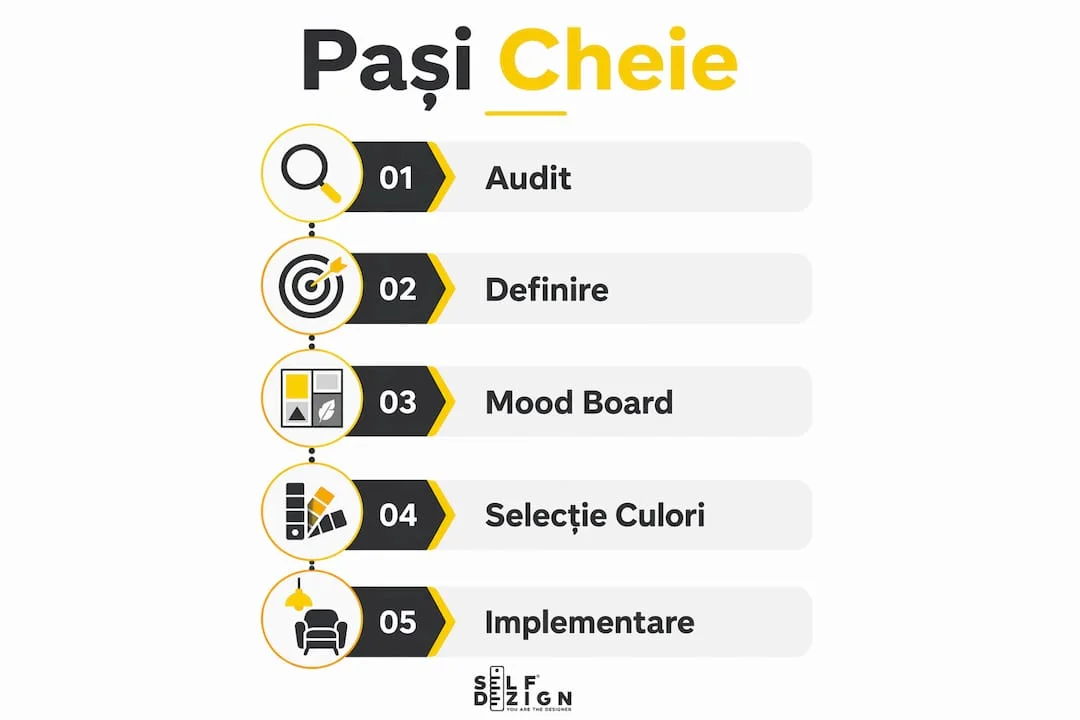
A step-by-step guide to interior branding includes auditing the space, determining values, choosing materials, and continuously testing visual coherence. The phased strategy allows the design to adapt over time and avoids costly hasty decisions.
- Audit existing space.Before you change anything, notice what you have. What is the space communicating now? What elements are already coherent and what creates visual noise? Take photos of each room and look at the images like a visitor seeing the space for the first time.
- Sets values and goals.A law office communicates something other than a creative studio. A personal apartment reflects something other than a medical clinic. Before choosing a color, answer the question: what do you want people to feel when they enter the space? This answer guides all subsequent decisions.
- Choose colors, materials, and graphics.Starting from the set values, it builds the color palette, selects the materials and defines the typography. If you have an existing brand, your inner visual identity should be an extension of it, not a separate interpretation.
- Organize your space for consistency and functionality.Visual identity does not mean that everything looks the same, but that everything belongs to the same system. Different areas may have distinct accents, but the palette, materials, and style remain consistent. Functionality does not sacrifice itself for aesthetics: a beautiful space that does not work well fails as an experience.
- Test and adjust.No project is perfect the first time. Live or work in space for a few weeks, observe what works and what creates friction. Ask for feedback from people who did not participate in the process: the external perspective captures things that the ordinary eye no longer sees.
My advice: Don't treat your visual identity as a project with a completion date. Spaces evolve with the people who use them. Periodically review if the design still reflects current values.
How does visual identity impact the experience of those who use the space?
The impact of the inner visual identity is not subjective. 85% of customers form an impression in the first 10 seconds spent in the reception. This impression influences everything that follows: the level of trust, the purchase or collaboration decision, the perception of service quality.
Employees are equally affected. Spaces aligned with brand values generate a 30% increase in employee satisfaction. Greater satisfaction means better retention and increased productivity. Interior design is not an aesthetic benefit, but a management tool.
Modern interior branding goes beyond the visual. The choice of materials, layered lighting and atmosphere contribute to the well-being of users. Specialists recommend integrating organizational culture through multisensory design, not just through static visual elements.
The reception point deserves special attention. Exterior signage and visual elements in the entrance area serve as the first critical contact with the brand. Custom lightboxes and totems reduce barriers and strengthen professionalism before any conversation takes place.
Visual storytelling completes the picture. A memorable space is not one full of interesting objects, but one that tells a coherent story. Materials, colors and graphics together build a message that the visitor perceives intuitively, without explicitly reading it. This coherence is what transforms a space from a place where you are to a place that you feel.
What common mistakes sabotage your inner visual identity?
The most common mistakes include lack of chromatic coherence, poor material quality, and overloading the space with unorganized visual elements. Neglecting these aspects reduces perceived confidence and professionalism.
- Chromatic and typographic inconsistency.Colors that are not found on all relevant surfaces create a space that looks unfinished. Different fonts on signs, materials and mural graphics convey lack of attention. Consistency does not mean uniformity, but consistency in elections.
- Poor quality of materials.A cheap vinyl logo on a reception wall sabotages the rest of the investment. Premium materials are not a luxury, but a communication decision. The visitor does not read the price of the material, but feels it.
- Visual overload.Multiple messages means no messages. Spaces that try to communicate too many things at once don't communicate anything clearly. Edit boldly: every item in space must earn the right to be there.
- Ignoring adaptability.A rigid design that cannot evolve quickly becomes obsolete. Think of your visual system with flexibility: elements that can be updated without destabilizing the whole.
- Lack of collaboration with a professional.Interior visual identity is a discipline that combines color psychology, interior design principles, and brand strategy. Online inspiration resources are helpful, but they don't replace the expertise of a designer who understands the specific context of your space. You can findexamples of interior brandingto calibrate your expectations before starting the process.
My advice: Before ordering any signage or wall art, print a full-scale sample and place it in space. Dimensions that look good on the screen may be completely wrong in reality.
My view of visual identity in amenities
I've been working with spaces for years and I notice the same pattern over and over again: clients come up with a list of items they want to include, not an understanding of the message the space needs to convey. I choose a color because "it's fashionable", a material because "they saw it on Instagram", a font because "it looks good". The result is a space that looks like a collection of good choices, not a coherent whole.
The inner visual identity is not a decoration project. It's a strategic decision about how you want to be perceived. An office that reflects the team's true values attracts the right people and makes them stay. A commercial space that clearly communicates what the brand stands for reduces friction in the purchase decision. A residential space that reflects the owner's personality becomes a place where you feel at home, not a showroom where you live.
What is most often lacking is not budget, but clarity. When you know exactly what you want to communicate, design decisions become much simpler. And paradoxically, the spaces with the strongest visual identity are often the least crowded. Editing is a form of design courage.
At SelfDesign, we approach every project based on context and objectives, not trends. We understand that a well-thought-out space is ainvestment in visual identitythat produces concrete results, not just beautiful photos.
— Toni Buniașu
SelfDezign and interior design that supports visual identity
If you've gone through this guide and recognize that your space isn't yet communicating what it should, the next step is a conversation about context, not colors. SelfDezign works with offices, commercial spaces, clinics and housing in Bucharest and Europe, building interior visual identities that reflect the customer's real values. The team does not apply standard formulas, but understands the stake of each project before proposing a solution. If your workspace needs real visual coherence and functionality,office interior designis the right starting point. For residential spaces that reflect your personality,homes that represent youprovides the same level of attention to detail.