
The importance of personalizing your space in interior design
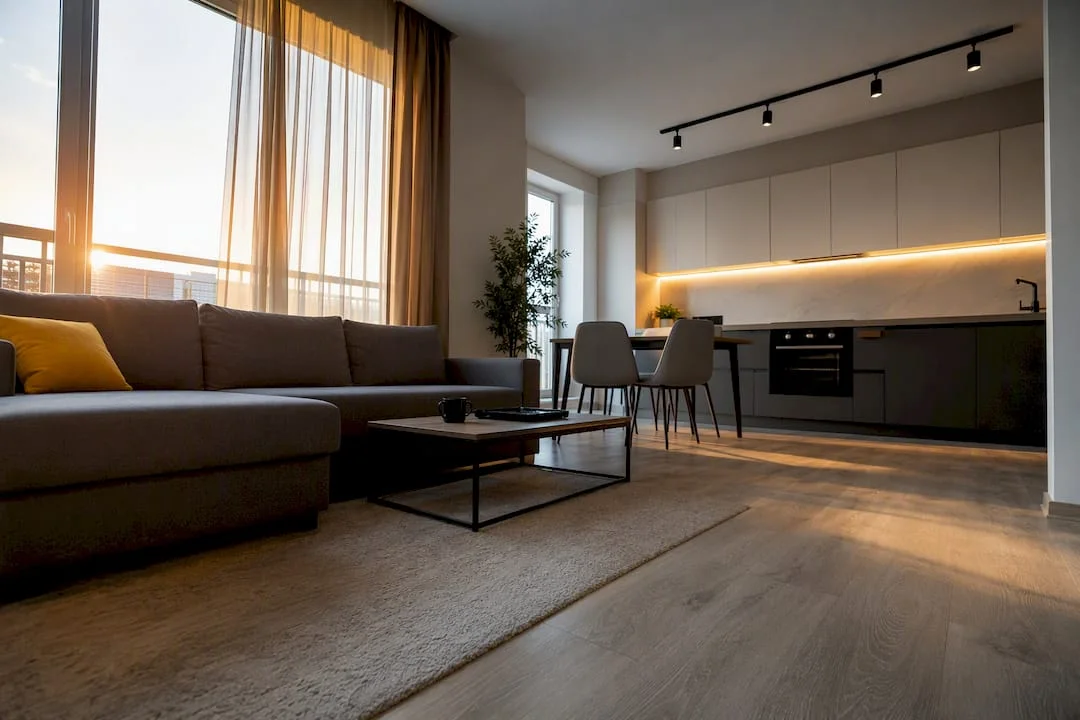
There is a clear difference between a furnished space and a space that truly represents you. The importance of personalizing a space does not lie in choosing expensive furniture or following magazine trends, but in creating an environment that responds to the way you live, work and feel. Many people confuse personalized design with aesthetic decoration, but the two are not the same thing. A truly personalized space supports your routines, reflects your values and shapes your mood every day. In this article, you will discover how this process works, why it matters and how you can apply it in your own context.
Key topics
| Idea | Details |
|---|---|
| Personalization goes beyond aesthetics | A personalized space meets your functional and emotional needs, not just your visual ones. |
| Colors are psychological decisions | Choosing colors based on personal experience, not standard rules, produces the best results. |
| Authenticity beats perfection | The current trend favors lived-in spaces with pieces that have a story, not flawless, impersonal interiors. |
| Balance prevents visual fatigue | Meaningful objects and open areas must coexist to maintain visual comfort. |
| Personalization has measurable psychological effects | Studies show that personalized spaces reduce anxiety and increase satisfaction and performance. |
What is space personalization
Space personalization is the process of adapting an interior to the needs, preferences and lifestyle of the person who occupies it. We are not talking about a look picked from a catalog, but about a series of deliberate decisions about how each area works, what it conveys and how it makes you feel.

Personalized design transforms spaces into more pleasant and functional environments by adapting the details to each person's preferences and needs. The color of the walls, the texture of the textiles, the placement of furniture relative to natural light: none of these are independent choices. Together they form a composition that either works or creates friction.
The advantages of interior personalization become visible as soon as you walk into a space designed carefully for a specific person. There is a coherence you feel before you can analyze it. Here is what actually produces it:
- Functionality adapted to real use. A kitchen used daily for serious cooking has different needs from a decorative one. Personalization means the space responds to the way you live, not to a generic standard.
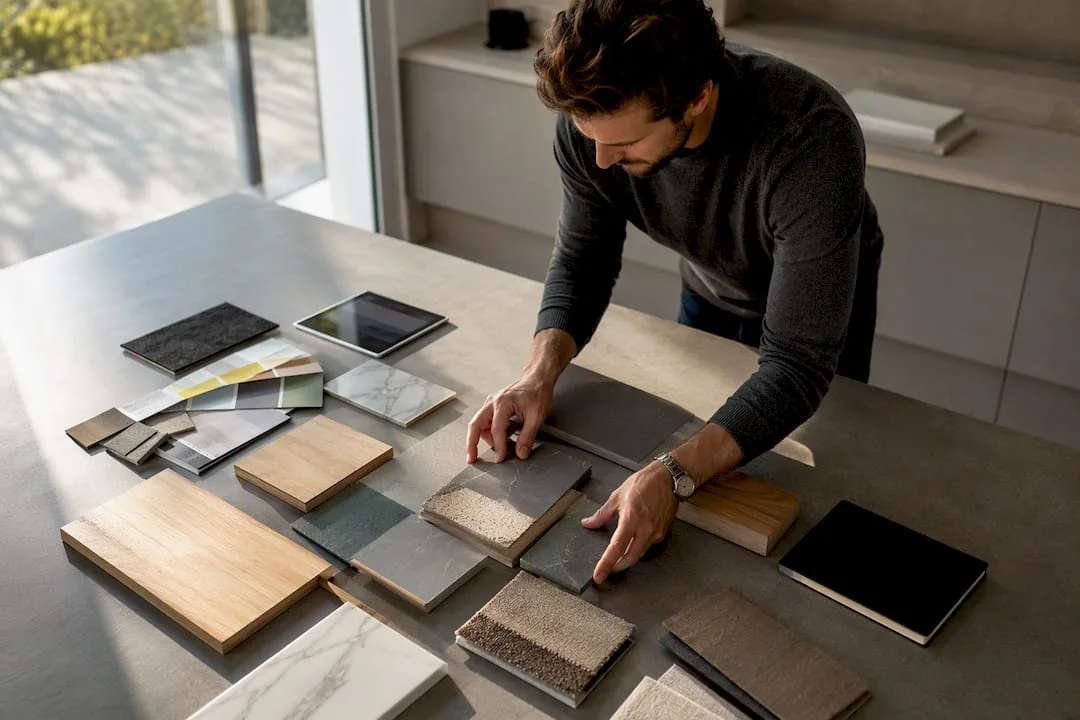
- Materials and textures as tools for atmosphere. Warm wood, smooth concrete, soft textiles or glossy surfaces are not just aesthetic. They change the acoustics, reflect light and alter how you perceive the temperature and comfort of a space.
- Lighting planned by activity zone. A personalized space does not have a single light source for everything. It has ambient, accent and task lighting, distributed according to what happens in each area.
- Circulation flow adapted to your habits. How you enter, how you move, where you naturally stop. A personalized space makes these paths fluid, without visual or physical obstacles.
What sets it apart from off-the-shelf design is precisely this attention to context. There is no formula that works for everyone, and why personalizing your space matters becomes clear the moment you experience the difference.
Color psychology and personal atmosphere
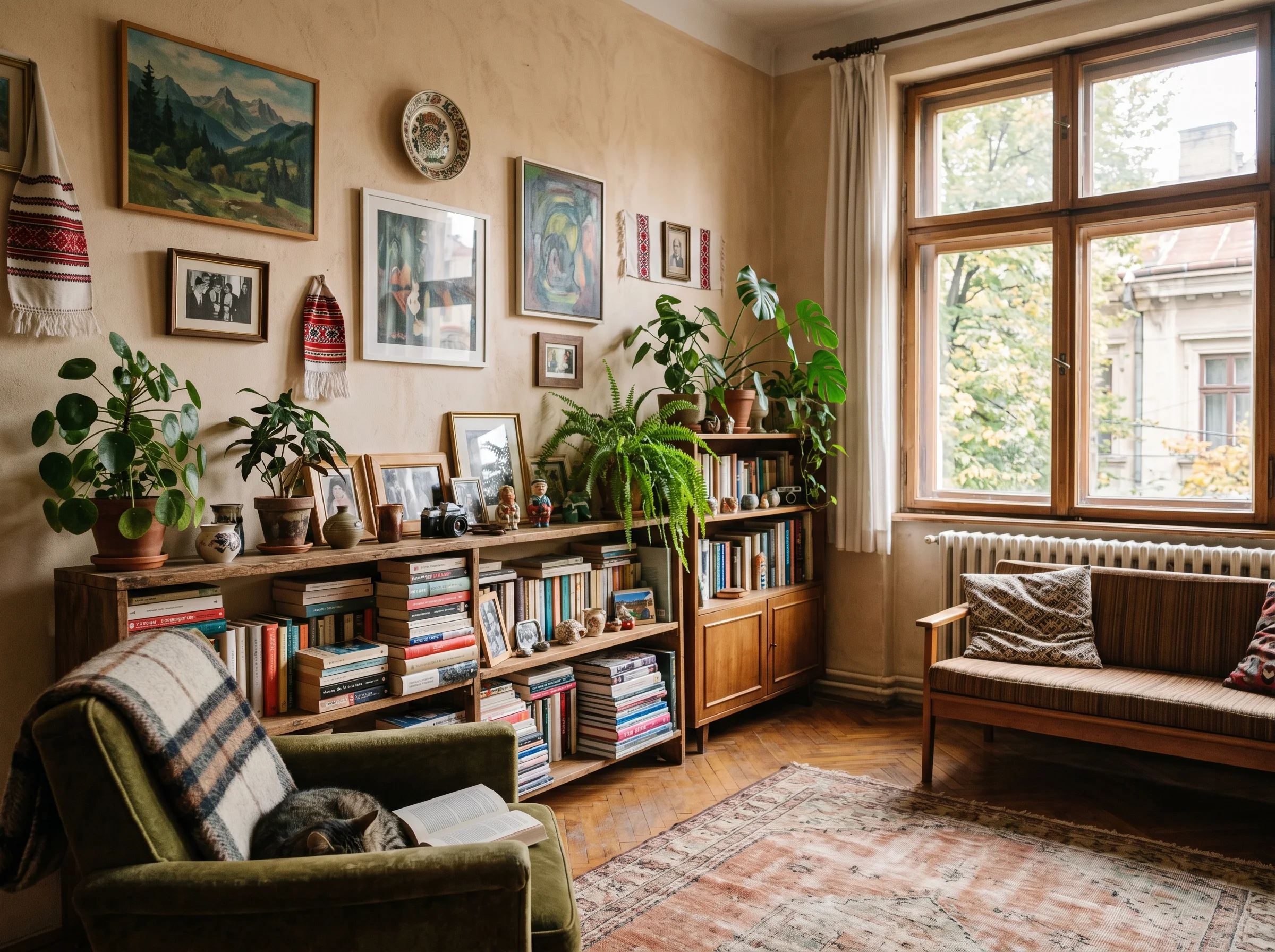
Color is the fastest communication tool in a space. Before you process the shape of an object, you have already processed its color. That is exactly why the color choices in a personalized interior are never neutral.
Warm tones stimulate energy and interaction, while cool tones induce calm and relaxation. But the perception of color varies with personal experience and emotional state. White, for example, can be perceived as cold and clinical or as pure and soothing, depending on the context and the person in the space.
This means your choice of color should be personal, not dictated by trends or universal aesthetic rules. The importance of personalized decoration becomes obvious right here: the same sage green can feel calming to one person and dull to another.
A few practical guidelines for choosing colors in the spirit of personalization:
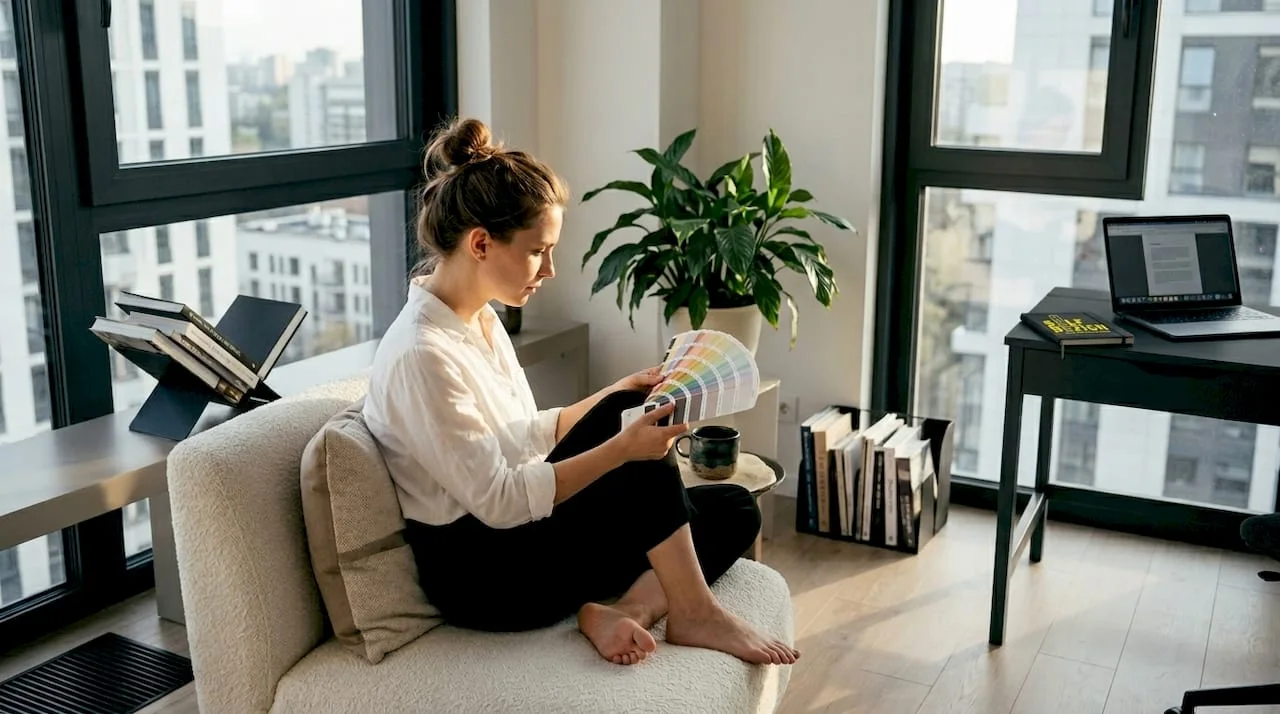
- Test the color in real conditions, do not choose from the swatch in the store. Natural morning light and artificial evening light completely change how it looks.
- Start from the colors that already appear in objects you care about. A favorite book, a work of art, an inherited textile. These are better clues than any trend palette.
- Avoid applying a color to all the walls without first testing its effect in a small proportion. An accent on a single wall may be enough.
- Take the room's orientation into account. A north-facing room needs warmer tones to offset the cool, indirect light.
Pro tip: If you are unsure about a color, paint it on a large piece of cardboard and move it around different areas of the room for a few days. You will see how it behaves in different light and at different times of day before you commit.
The role of color in interior design is explored in more detail in the guide to colors from SelfDezign, if you want to dig deeper into color choices for each type of space.
Current trends in personalized design
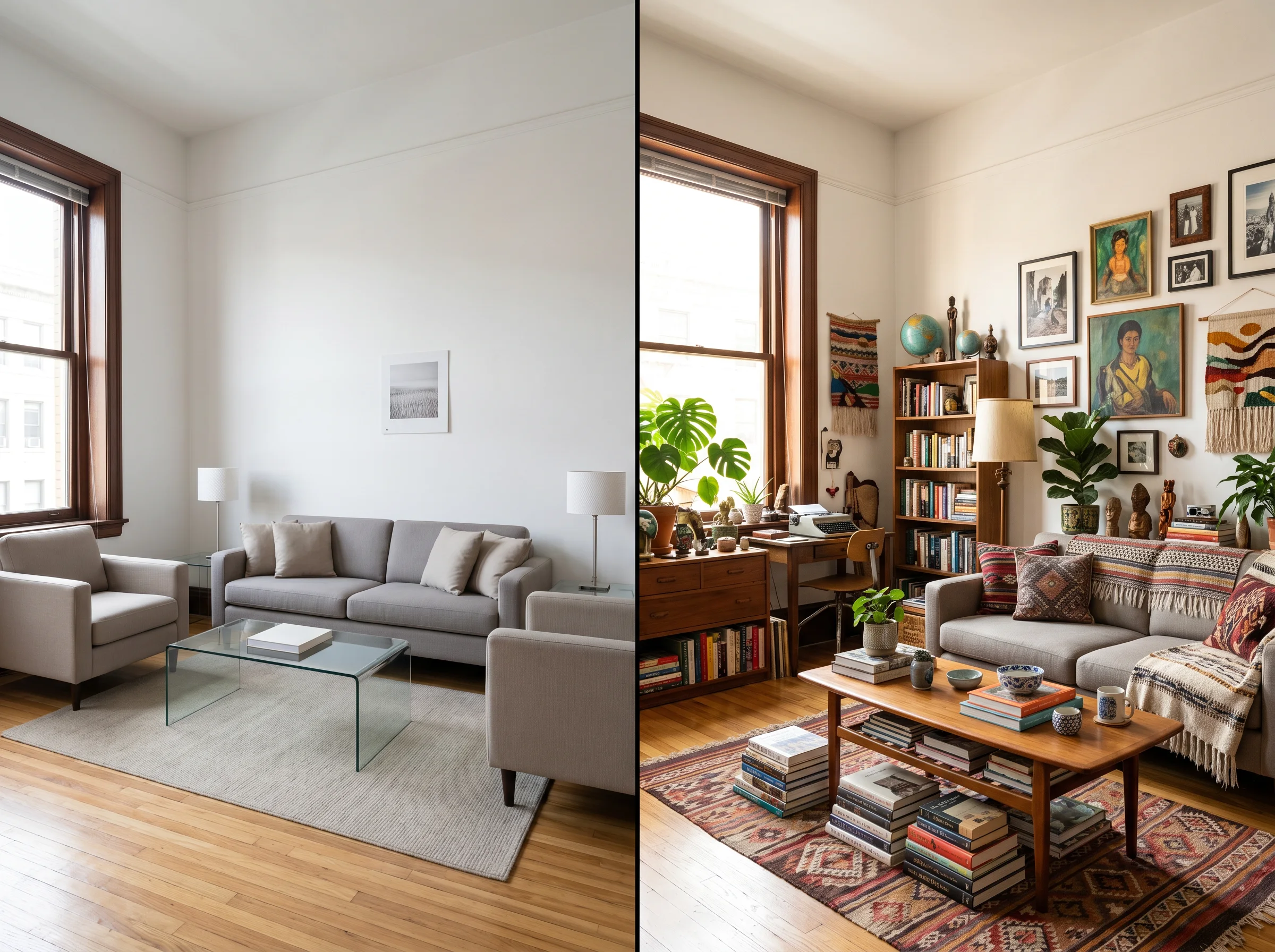
Interior design in 2026 has taken a clear turn toward authenticity. The trend is a shift from impersonal, Instagram-perfect spaces to homes that reflect the owner's personality through personal collections and real comfort. The cold minimalism that dominated the last decade is giving way to "lived-in" spaces, with layered textures, vintage pieces and objects of sentimental value.

This is not a whim. It is a cultural correction. People have understood that a space that looks flawless in photos, but where you do not feel comfortable, does not serve your real life. How personalization affects a space becomes obvious when you compare a house decorated to a showroom concept with one where every object has a story.
If you want to follow this direction in your own space, here is a logical path:
- Identify the pieces with real meaning. Which objects in your home right now would you never give up? They are the starting point, not the items bought specifically for a makeover.
- Add textures, not necessarily new objects. A textured rug, a cushion in natural fabric or a structured curtain can radically change the atmosphere without adding bulk.
- Integrate vintage pieces selectively. You do not need a themed space. One well-placed old piece creates contrast and visual depth.
- Plan a realistic budget. A sample budget for a makeover with custom finishes and furniture exceeds 15,000 EUR, but personalization can be applied gradually, in stages, without requiring a complete renovation.
- Adapt the trend to your lifestyle. If you have small children or pets, a space full of fragile objects is not successful personalization, no matter how good it looks.
Personalized homes are not the result of a big budget. They are the result of clear, deliberate choices, whatever the scale of the project.
The balance between personalization and functionality
The most common risk in personalizing a space is overload. When every object has a story and every surface is decorated, the space becomes visually tiring. A space becomes truly personal when there is a clear balance between meaningful objects and open areas that give the eye room to breathe.
Pro tip: Treat every horizontal surface as an editorial space. Choose at most three objects, varying height and material, and leave the rest empty. The effect will be stronger than if you filled everything.
Here is a practical comparison between two approaches to the same space:
| Criterion | Overloaded space | Balanced space |
|---|---|---|
| Number of decorative objects | Many, with no clear hierarchy | Selected, with a defined visual role |
| Open areas | Absent or minimal | Deliberately present, as breathing room |
| Overall impression | Visual fatigue, lack of focus | Clarity, coherence, comfort |
| Functionality | Often compromised by decor | Integrated into the composition |
| Ability to evolve | Rigid, hard to change | Flexible, adaptable over time |
Small details in personalized design are deliberate composition decisions. Pieces with a clear role and preserved open space prevent the visual clutter that can be jarring, even when each individual object is beautiful.
A good space evolves with you. Preferences and needs change, and a flexible personalized design lets you adapt, add or remove without starting from scratch. This means the stages of interior design should be planned with this flexibility in mind from the very beginning.
The benefits of personalization for psychological well-being
Personalizing a space is not an aesthetic luxury. It has measurable effects on mental state and performance. Personalizing virtual workspaces in VR increases psychological well-being and satisfaction, with indirect potential to improve performance through autonomy and emotional attachment. The same principle applies to physical spaces: when you feel a space belongs to you, your level of comfort and focus rises.
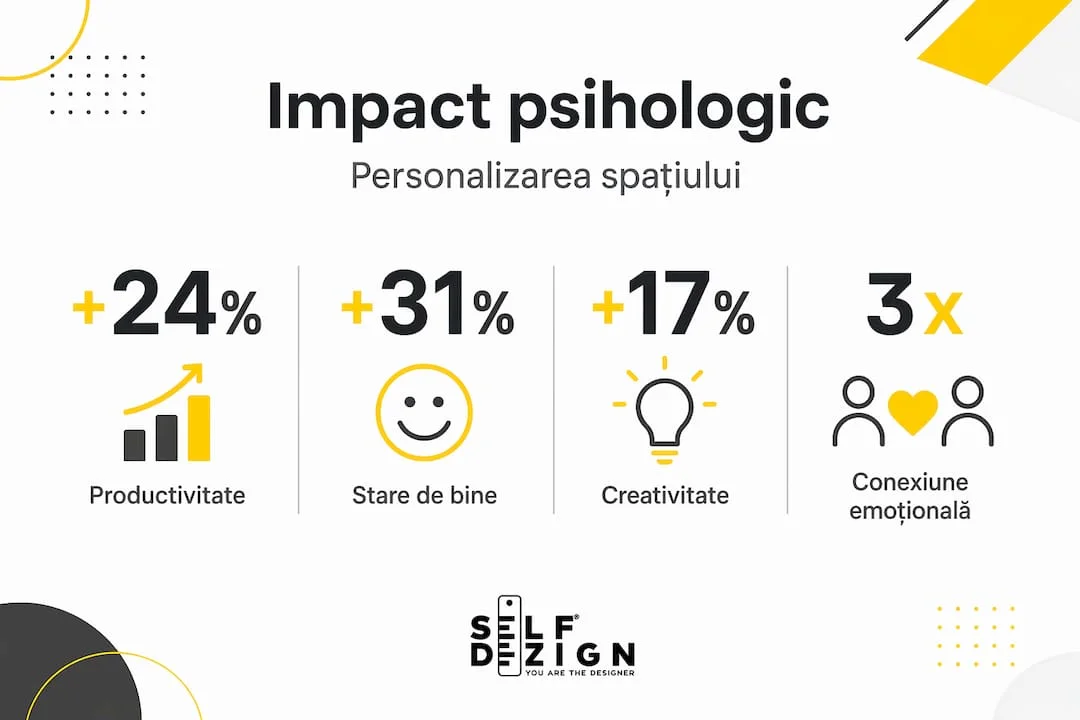
Another important driver of personalization is the integration of natural elements. Access to plant elements and biophilic art in interior spaces significantly reduces symptoms of depression and anxiety. However, the effects are not automatic.
| Biophilic element | Potential effect | Condition for effectiveness |
|---|---|---|
| Indoor plants | Stress reduction, better air quality | Species suited to the light and humidity conditions |
| Natural materials (wood, stone) | Thermal and visual comfort | Technical integration within the context of the space |
| Maximized natural light | Improved circadian rhythm | Correct orientation of the space |
| Organic textures in textiles | Tactile comfort and less visual rigidity | Balance with the other materials |
The benefits of indoor green infrastructure depend on the type of system, technical integration and conditions of use; they are not guaranteed by the mere presence of plants or natural decor. In other words, a plant placed in a dark corner does not produce the effects of a well-integrated biophilic element.
The benefits of a personalized environment are real, but they require intention and coherence, not just an accumulation of natural objects.
My perspective on personalized space
I have seen plenty of projects where the client arrived with a folder of Pinterest images and a wish list that contradicted the way they actually lived. And I have come to understand that the biggest mistake in personalizing a space is not a lack of taste, but a lack of honesty about your own life.
An effectively personalized space is not the most beautiful space you can imagine. It is the one that works for you, today and over the next five years. I have worked with clients who gave up visually spectacular solutions because they did not match their real pace of life, and they are always the most satisfied in the end.
"What I have consistently noticed is that overload comes from insecurity. When you do not know what you really want, you add. And adding without criteria produces the exact opposite of personalization: a space that no longer resembles anyone. Selection is the bravest form of personalization.
If I had to recommend a single starting point, it would be this: identify three things that truly matter to you in the space where you live and build around them. The rest follows naturally."
Irina Stoica
How SelfDezign can help you
If you have concluded that your space deserves more than a generic makeover, the next step is to work with someone who understands the context, not just the aesthetics. SelfDezign designs homes that represent you based on the way you actually live, not on the trends of the moment. The process includes the interior concept, technical design and implementation coordination, so you do not have to manage every decision separately.
Whether it is a complete residential makeover or the optimization of an existing space, the SelfDezign team asks the right questions before proposing solutions. You can explore the steps for a personalized home makeover to understand what the process looks like in practice, from the first conversation to final delivery.