
Style or trend: which decision lasts ten years and which changes in three
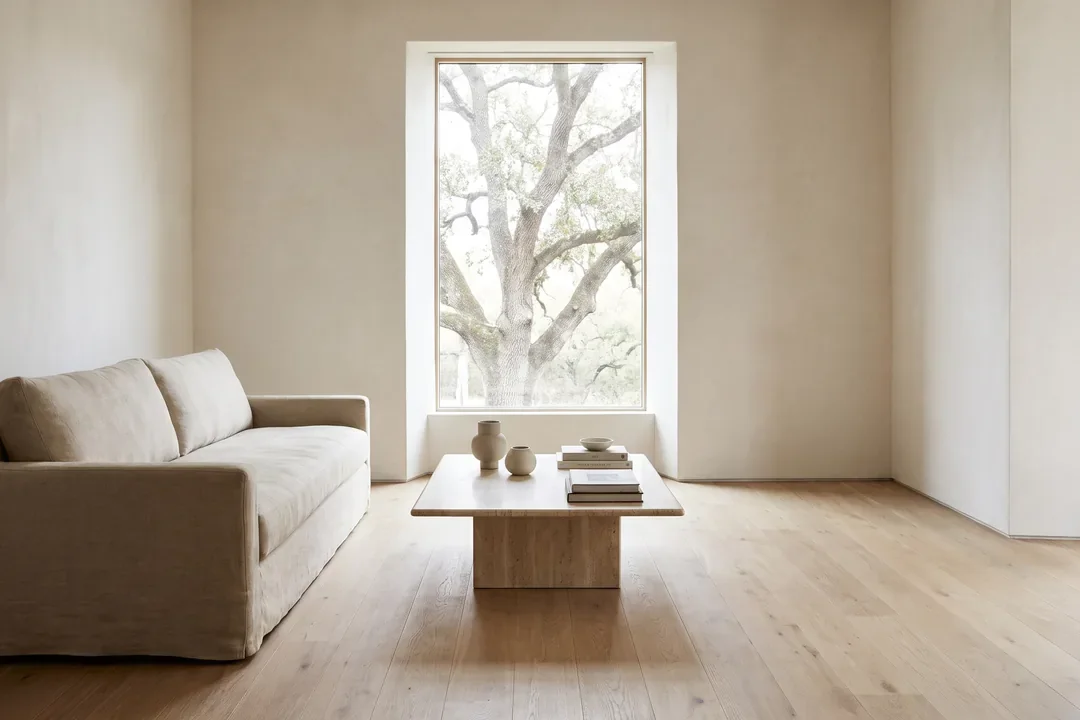
A trend tells you what is in fashion this year. Style tells you which decisions you repeat, whatever the year. The difference between them shows up on the bill four years later.
In a project, a trend almost always comes in through the front door: a saved photo, a cafe seen on vacation, a finish that shows up everywhere. Nothing wrong with that, as long as it stays context, not an argument.
The problem starts when a trend decides things that are hard to change: the flooring, built-in furniture, the color of the window and door frames, the position of the walls.
Key ideas
- A trend is a cycle of visibility, with a peak and a decline. Style is a set of decision rules you can still apply five years from now, with the same results.
- The cost of a trend mistake is not the price of the material, but the price of replacing it before the end of its technical service life.
- The safest investments are still the ones that don't read as a style: proportion, light, circulation and materials that age with dignity.
- Trends are worth budgeting for where change is cheap: textiles, objects, decorative light fixtures, paint.
What we call a trend and what we call a style
A trend is a collective preference that rises quickly and falls just as quickly. The all-black kitchen, the countertop with thick veins of engineered marble, the wall of wood slats running the full length of the hallway: each had its peak, and each left behind spaces that now read as dated.
Style is something else. It is a set of criteria you apply consistently: how much contrast you accept, how much texture you want, how full or empty you like a wall to be, what kind of light lets you rest.
This is where the confusion in the industry comes from. Style can be copied, because it is visible. The identity of a space, meaning the reason those decisions make sense together, cannot be copied.
What a fashionable interior really costs
Take any decision in the project and put two figures next to it: how long it lasts technically and how much it costs to change. The order of priorities rearranges itself.
|
Decision |
Technical service life |
Cost of changing it |
What should drive it |
|---|---|---|---|
|
Room layout, position of utilities |
20 years or more |
Very high, involves wet works |
Circulation and how the space is really used |
|
Continuous flooring |
10 to 20 years |
High, the room has to be emptied |
Wear, maintenance, light |
|
Built-in furniture, kitchen, walk-in closet |
10 to 15 years |
High |
Ergonomics and real storage needs |
|
Window frames and doors |
15 years or more |
Medium to high |
Proportion and light |
|
Decorative light fixtures |
5 to 10 years |
Low |
This is where a trend can come in |
|
Textiles, rugs, objects |
3 to 7 years |
Low |
This is where a trend should come in |
|
Paint |
4 to 8 years |
Very low |
This is room to experiment |
The practical rule is in the third column. The more expensive something is to change, the less it should depend on any particular year.
The four-question test
Before you approve a finish or a piece, run it through these questions. If it fails two out of four, it is a trend decision dressed up as a style decision.
- Why do I like it? If the answer is "I saw it at someone's place" or "it's in fashion", you don't have a reason yet, you have a reference.
- Would I have chosen it five years ago? The question is not rhetorical. The materials that passed the test in 2019 are roughly the same ones that pass it now.
- What happens when it breaks or wears out? Can it be replaced locally, or does the whole surface have to be redone?
- Who maintains it, and with what? A finish that needs a special product and a day of work every month is a maintenance decision, not an aesthetic one.
What lasts, whatever the year
Four things hold up well over time, in homes as well as in commercial spaces.
Proportion. The height of a countertop, the width of a corridor, the ratio of solid to void on a wall. They don't go out of fashion, because they depend not on taste but on the human body.
Light. A space with well-used natural light and layered artificial lighting stays pleasant even after the furniture changes. A space with a single ceiling light stays tiring, no matter how expensive the furniture is.
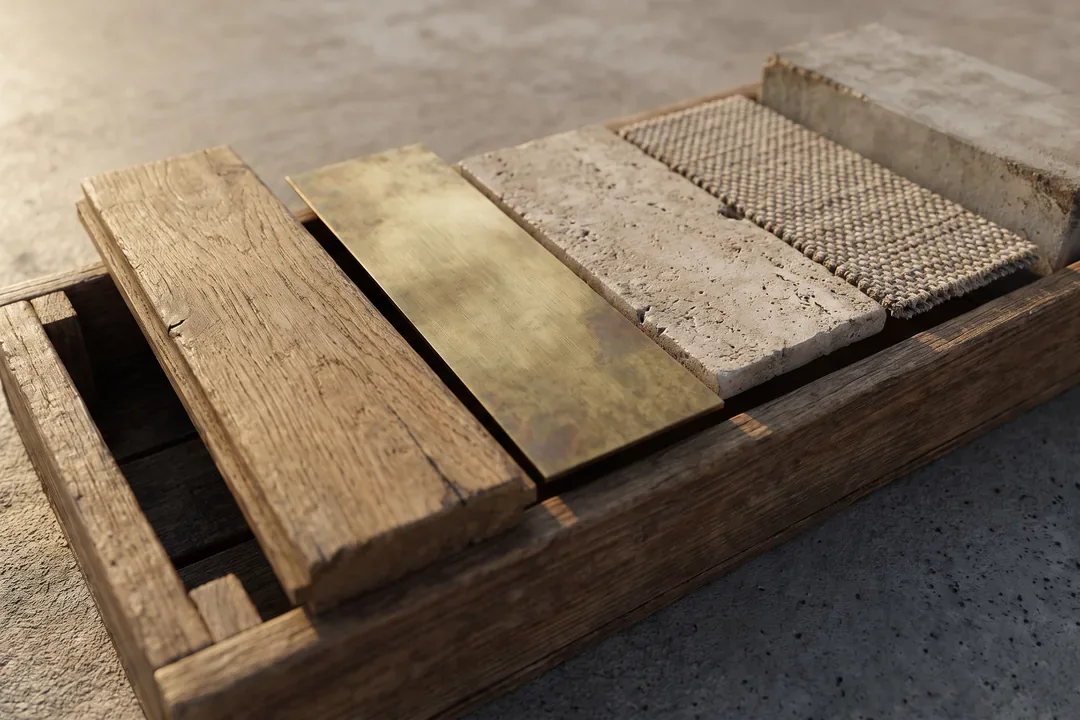
Materials that age beautifully. Solid wood, natural stone, brass, natural textiles, lime plaster. They all change on the surface over time, but they change in a direction that looks good. Foils and glossy lacquers go the opposite way.
Circulation. The route from the door to the kitchen, from reception to the waiting room, from the bar to the terrace. A poorly designed route annoys you every day, and no finish makes up for that.
Where a trend is actually useful
There is a good place for trends, and that is the reversible layer of the space.
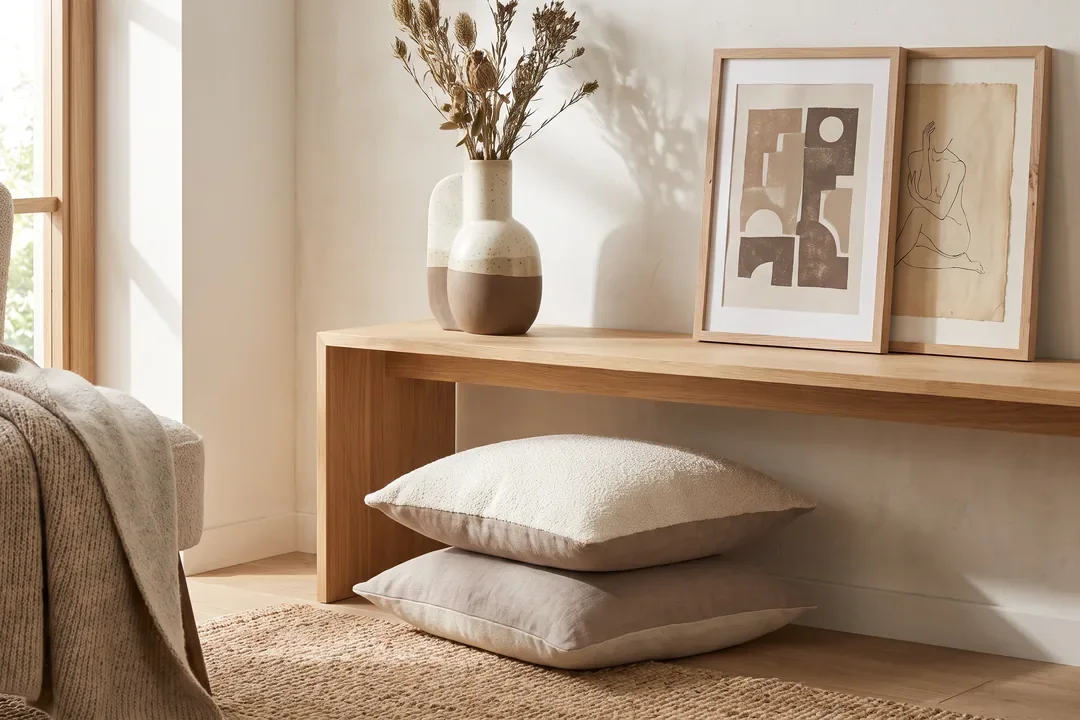
A bold color on a wall costs a day of labor and a bucket of paint. A textile, a table lamp, a set of cushions, a series of prints: all of them can be changed in an afternoon.
In a commercial space the logic is the same; only the stakes differ. A restaurant that refreshes its atmosphere twice a year does it through light, textiles and objects, not through the flooring.
The SelfDezign perspective
A design trend is not an argument for a project decision. It is context, meaning something we note and set alongside the rest of the data.
In our projects in HORECA, offices and medical clinics, the criterion is simple: what the space has to do in its fourth year of operation, when the novelty has worn off and all that is left is wear, maintenance and the habits of the people who use it.
A small budget does not justify bad decisions. It justifies prioritizing: you put the money into the layer that is hard to change and leave the easy layer for later.
Are you preparing a space and want to separate the decisions that last from the ones that change? Let's talk.


