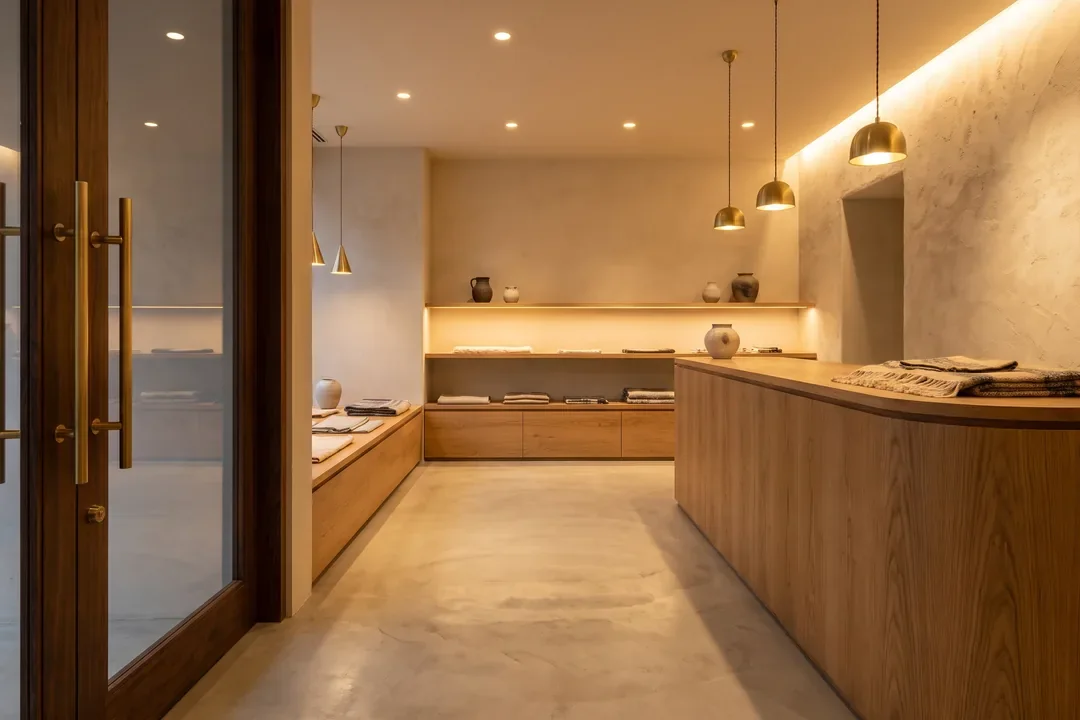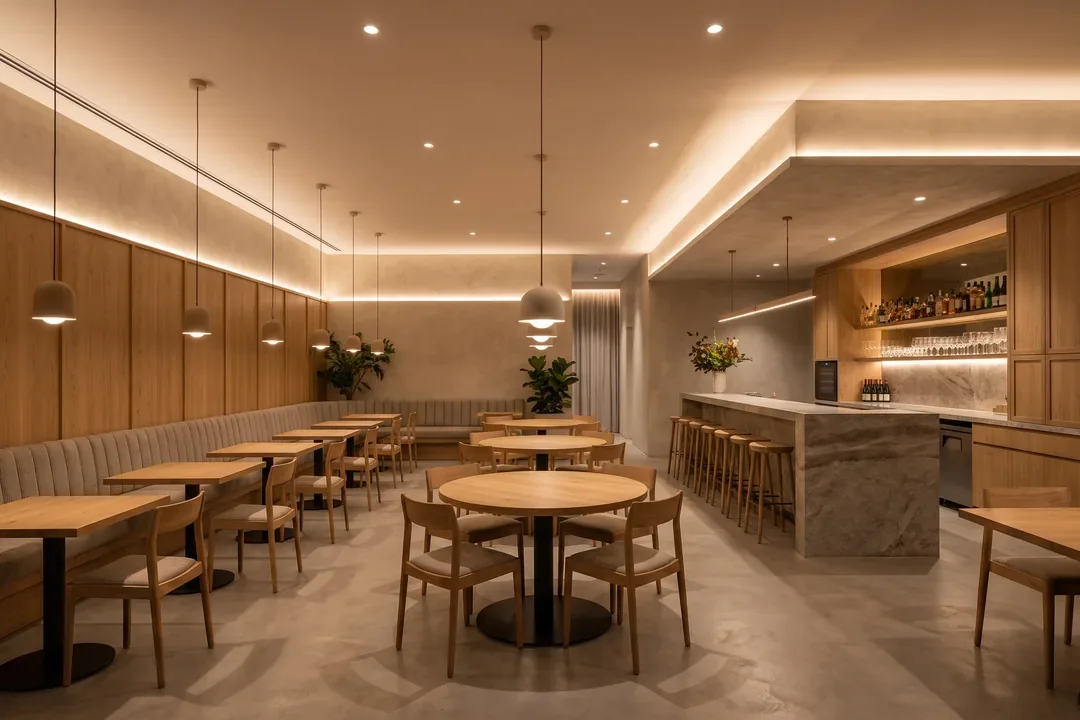
Explanation of multipurpose space: complete guide

Multifunctional space is defined as a single surface designed to support diverse activities without rigid physical boundaries between areas. The concept has rapidly gained ground in contemporary interior design, both in compact urban dwellings and in modern offices that abandon traditional partitioning. Reference publications such as Casa News and Obliq Design confirm that surface optimization for multiple activities has become a central direction in the 2026 developments. Explaining the multipurpose space is not just about putting more pieces of furniture in a room. It is a conscious design decision that balances the functionality, aesthetics and identity of the space.
What is multi-purpose space and why does it matter?
Multifunctional space is not a trend of the moment. It is a direct response to the way people live and work today: in smaller areas, with more varied needs and with higher expectations towards visual comfort.
The term enshrined in the interior design literature ismixed-use space sau flexible space, but in local practice and in communication with customers, "multipurpose space" describes the same principle: a single room that serves multiple purposes without appearing cluttered or confusing. The difference from an ordinary room is not in the number of objects, but in the intention with which each area is thought and delimited.
Think of a 50 sqm apartment where the living room is also an office, a place to relax, and sometimes a place to welcome guests. If these three functions coexist without clear logic, the result is visual chaos. If they are deliberately designed with the right furniture, zone lighting and a coherent color palette, the same space becomes fluid and comfortable. This is the difference that the design of multifunctional spaces makes compared to the simple arrangement.
What are the main advantages of a multifunctional space?
The concrete benefits of this type of arrangement justify the investment for both homes and professional environments. It's not just about saving space, but a change of perspective on how a space can work.
Flexibility and AdaptabilityA multifunctional designed space quickly reconfigures according to the needs of the moment. An office meeting room can become an individual workspace or seating area in minutes without renovations.
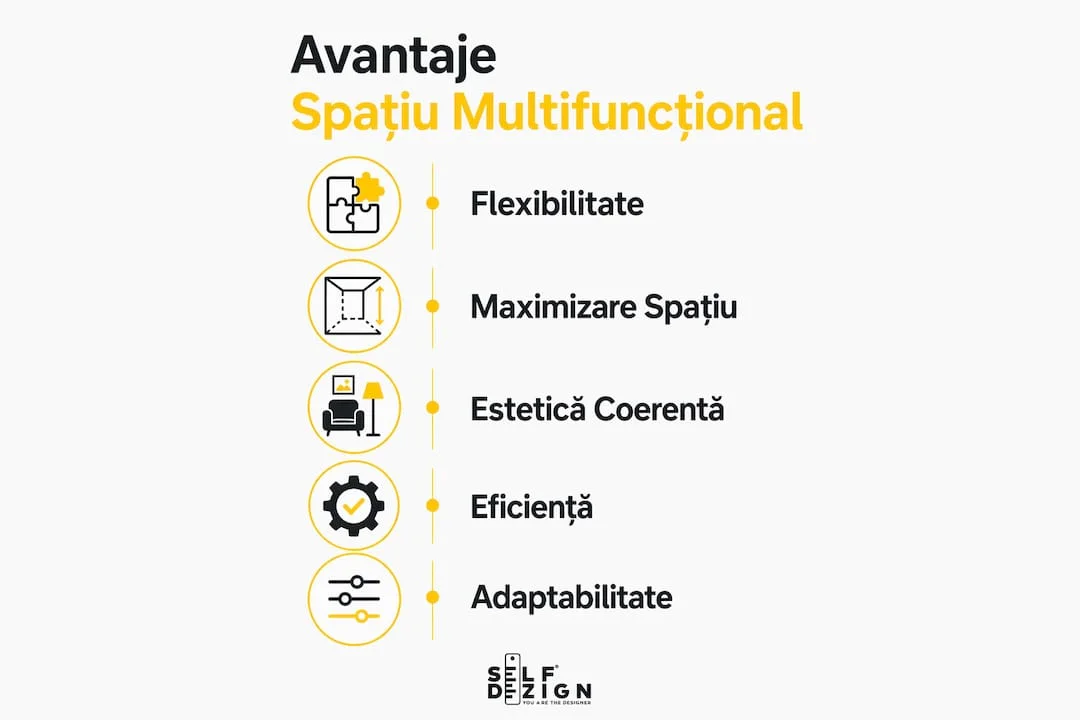
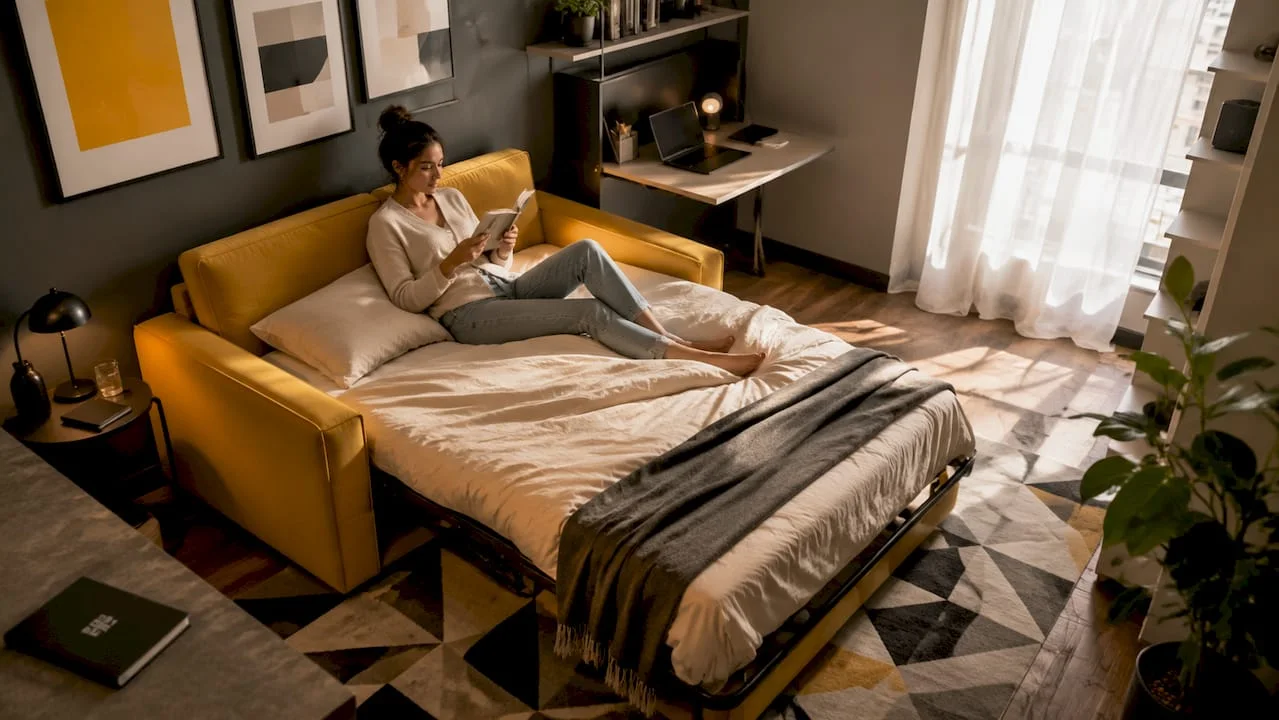
Maximizing the available area.Each square meter works more. In a compact apartment, a folding bed with integrated shelves turns the bedroom into an office during the day, without compromising on comfort at night.
Visual and aesthetic coherence. Visual coherenceis the factor that separates a successful multifunctional space from one that seems undecided. A neutral palette, consistent materials and a clear aesthetic thread unite the different areas without confusing them.
Increased productivity in workspaces.Offices with dedicated areas for concentration, collaboration and relaxation support healthier work rhythms.Office layoutdesigned on multifunctional principles reduces mental fatigue and increases team involvement.
Psychological benefits.A visually ordered space, even if it serves multiple functions, reduces anxiety and the feeling of crowding. The human brain responds positively to spatial clarity, even when the surface is small.
- Reduction of furnishing costs through dual function furniture
- Adaptability to life changes (new child, working from home, guests)
- Increased real estate value for well-designed spaces
- Sustainability through efficient use of existing resources
INFORMATION: Before choosing furniture, list all the activities that will take place in the space during a typical day. This list becomes the functional map of the project and guides each subsequent decision.
How do you delineate the areas of a multipurpose space without walls?
Visual delimitation without physical walls is perhaps the most difficult challenge in designing a multifunctional space. The solution does not come from a single element, but from a combination of design tools working together.
Visual separators and bounding furniture
Open shelves and elegant screens define areas without blocking the light or creating the feeling of partitioning. A double-sided shelf, for example, separates the work area from the relaxation area and provides useful storage for both areas simultaneously. Screens made of wood, perforated metal or frosted glass add a layer of privacy without closing the space.
Carpets and textures for marking areas
Carpet is one of the most effective zoning tools. A well-chosen rug under a dining table clearly signals that the surface is dedicated to the table, even if there is no wall around. The same principle works for the work area or reading corner. The texture of the flooring, whether parquet, tiles or carpet, communicates the function of the area before the eye processes the furniture.
Zone lighting: the most underrated tool
Lighting with adjustable intensity is crucial for the psychological marking of the functions of a multifunctional space. A directed desk lamp signals the focus area. The warm, diffused light from a wall lamp defines the relaxation corner. Adjustable ceiling spotlights allow the atmosphere to be quickly reconfigured according to the activity.
Color scheme as a delimitation tool
|
Element |
Role in delimitation |
PRACTICAL EXAMPLE |
|---|---|---|
|
Wall accent color |
Mark a specific area |
Dark green wall behind the desk |
|
Geometric pattern carpet |
Defines the functional surface |
Graphic mat under dining table |
|
Directed lighting |
Create the atmosphere of the area |
Pendant light above work area |
|
Different material on the floor |
Separate visually without wall |
Parquet in the living room, tiles in the open kitchen |
|
Furniture as a Border |
Subtle physical delimitation |
Sofa with the back to the office |
Technological solutions for adapting the space
Movable glass walls, suspended curtain systems on ceiling rails and removable acoustic panels allow reconfiguring the space according to the needs of the day. Projects such asIslamabad from ands Architecturedemonstrates how construction technology and interior design can work together to create truly adaptable spaces on an urban scale.
INFORMATION: Test the demarcation of areas with candles or temporary lamps before installing permanent lighting. You'll quickly see which areas feel right and where you need more adjustments.
Which multifunctional furniture is recommended depending on the context?
Transformable furnitureis the central investment for the flexibility of a multifunctional space. The right choice depends on the context of use: residential, office or commercial space.
Essential features of multifunctional furniture
The right furniture for a multi-function space must simultaneously meet three criteria: be functional in all its configurations, be aesthetic in every hypostasis, and be easy to reconfigure without excessive physical exertion. A folding bed that looks like a stylish cabinet when closed meets all three criteria. A folding table that locks unstably respects none.
|
Furniture type |
Recommended background |
Primary Advantage |
Limitare |
|---|---|---|---|
|
Folding bed with integrated desk |
Residential, studio |
Double the function of the bedroom |
Requires dedicated wall |
|
Modular sofa bed |
Residential, reception spaces |
Maximum <g id="2">Flexibility</g> |
Large volume in extended configuration |
|
Folding wall table |
Small office, kitchen |
Clear space when not in use |
Limited weight capacity |
|
Modular racking |
Any context |
Adaptable to any size |
Needs careful planning |
|
Compact desk with integrated storage |
Office, Residential |
Organization and function in the same object |
Less actual workspace |
|
Stackable chairs |
Commercial, conference |
Efficient storage |
Reduced comfort for long use |
Custom furniture versus modular furniture
Custom furniture, designed specifically for your space, solves problems that no mass-produced product can address. A cabinet built to measure a non-standard angle wall, a bench with integrated storage under the staircase or a desk folded inside a furniture cabinet are solutions that you can only find in custom projects.Custom furniture in interior designadds long-term value and eliminates visual tradeoffs of standard products.
Modular furniture, on the other hand, offers reconfiguration flexibility that fixed furniture does not allow. Shelving systems such as those in the collections of European furniture brands allow modules to be added or removed as needs change. The choice between the two depends on the stability of your needs: if you know that the space will remain with the same function for many years, customization wins. If you anticipate frequent changes, modularity is wiser.
- Residential spaces:prioritize the folding bed, sofa bed, and folding dining table
- Rooms:invest in height-adjustable desks, movable acoustic panels and stackable chairs
- Commercial premises:choose furniture that is easy to clean, quickly reconfigurable and resistant to heavy use
How do you maintain long-term functionality and aesthetics?
A well-designed multifunctional space does not maintain itself. It needs an organization system that supports the visual order day by day, without extra effort.
Storage based on frequency of useis the basic principle. Items used on a daily basis must be immediately accessible without being permanently visible. Rarely used ones are stored behind closed doors or in less accessible areas. This simple logic eliminates 80% of the visual clutter of a multifunctional space.
Hide unused functionsis just as important. Furniture with enclosed storage spaces and retractable elements allow the space to look clean and coherent even when a function is not active. A closing clamshell desk turns your work area into a neutral furniture body in seconds.
Adapted and adjustable lightingsupports long-term boundaries. When furniture changes or areas reconfigure, track lighting or tiltable spots allow quick adjustment without intervention in the installation. Targeted sources with adjustable intensity are essential for defining and changing the functions of the space without renovations.
Avoiding visual cluttermeans to resist the temptation to fill every available surface. Free space is not lost space. It is visual breathing that makes functional areas legible and pleasurable. A practical rule: If you add a new item, you remove an old one.
Adapting to changing needsis the final test of a successful multifunctional space. When a child shows up, when you start working from home, or when you welcome a guest for a longer period, the space needs to respond without major renovations. Vertical organization and partitioned boxes add storage capacity without occupying the usable area.
INFORMATION: Take a photo of the space once a month and compare images. You'll quickly notice crowding trends before they become intractable visual problems.
What I learned from multipurpose projects: my perspective
We have been working with multi-purpose spaces long enough to know that the most common mistake is not technical. It's conceptual. Customers come up with a list of features they want to cram into a space and expect the design to solve the equation. But a multifunctional space is not a sum of functions. It's a hierarchy of their own.
The first thing we do in any project of this type is to ask: what is the main function of this space? The answer to this question determines everything else. If the space is primarily an office that sometimes welcomes guests, the design will look different from a living room that sometimes functions as an office. Same surface, same list of functions, but a different hierarchy produces completely different results.
The second thing I noticed is that people underestimate the role of lighting. The furniture can be perfectly chosen, the colors can be correct, but if the lighting does not support the delimitation of the areas, the space will not work. Lighting is the one that activates or deactivates an area, the one that communicates to your brain that you have passed from one context to another without physically moving.
Our recommendation for anyone designing a multi-purpose space, be it a home or an office, is not to start with furniture. Let's start withinner functionality strategiesclear, with a precise understanding of how the space will be used every part of the day. Furniture comes after. Aesthetics comes after. This order is non-negotiable.
How can SelfDezign help you design a multi-purpose space?
SelfDezign designs spaces that work before they look good. For offices, homes and commercial spaces in Bucharest and Europe, the SelfDezign team builds multifunctional solutions starting from understanding the real context of the customer, not from standard formulas. If you need an office that supports both individual focus and team collaboration,office interior designdeveloped by SelfDezign integrates all functions without aesthetic compromise. Each project starts with a consultancy that clarifies real needs, prioritizes functions and proposes solutions tailored to your specific space. Contact SelfDezign to discuss your project.