
Reconnecting with the Essentials
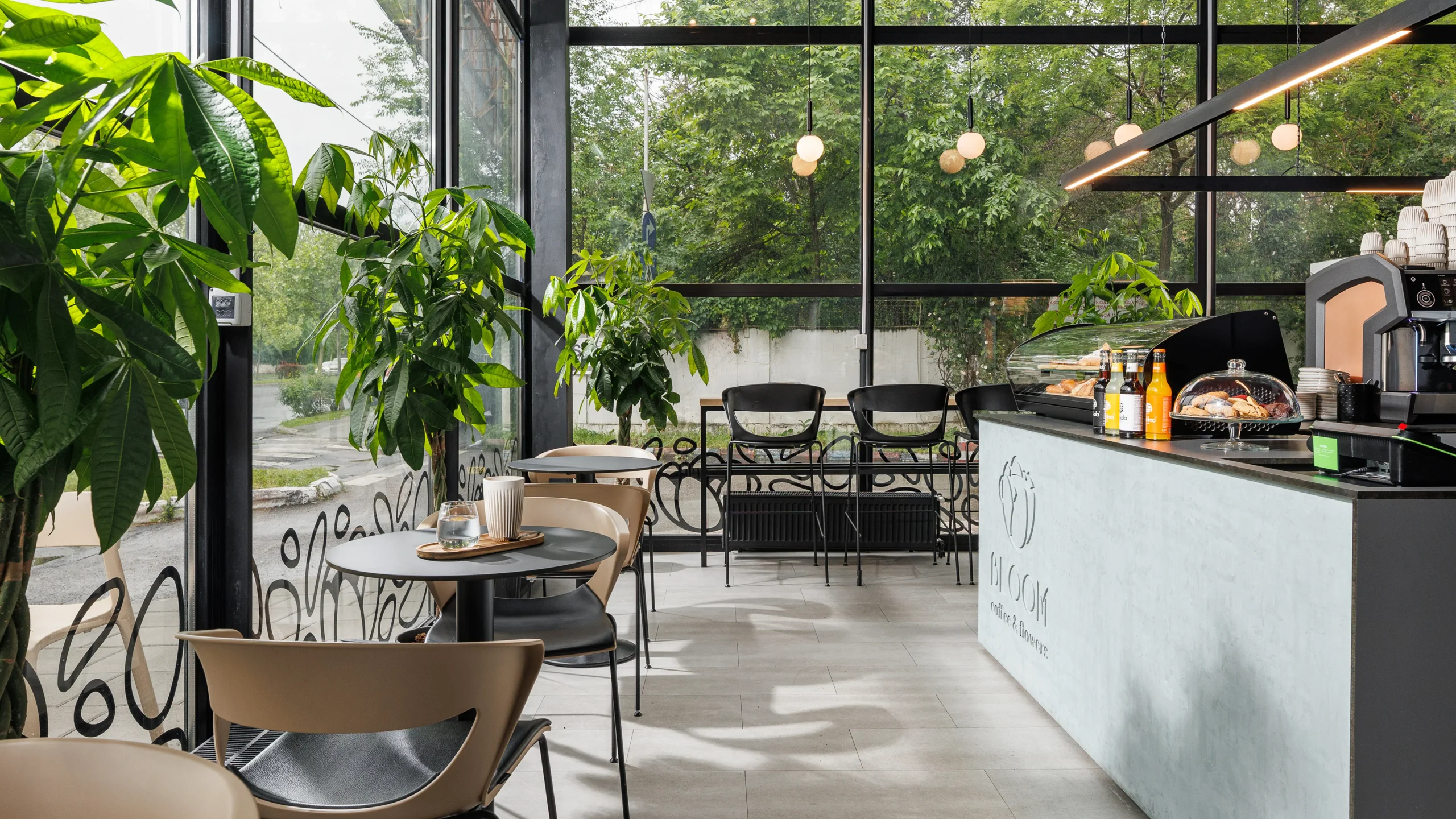
In an increasingly digital world, interior design trends for 2025 mark a deep need to reconnect with the physical, natural world. We are no longer just talking about adding a plant in a corner, but aboutBiophilic Design 2.0, a structural integration of nature into living and working spaces.
Materials That "Breathe"
The stars of 2025 are raw, imperfect materials that bear the mark of time and their natural origin:
- Raw wood: With visible knots and tactile texture.
- Natural stone: Travertine and limestone in organic forms, not just perfectly cut slabs.
- Clay plasters: Walls that regulate humidity and offer unique visual warmth.
Invisible Technology (Shy Tech)
If past years were about screens everywhere, 2025 brings the concept ofShy Tech. Technology is omnipresent but invisible. Sensors are hidden in materials, screens become transparent or retract when not in use, and smart lighting perfectly mimics the natural circadian rhythm without revealing the light source.
"Luxury in 2025 is no longer measured in opulence, but in the quality of time spent in a space that anticipates your needs without visual aggression," says Arch. Irina Stoica
Color of the Year: "Grounded Earth"
The color palette moves away from the cool grays of industrial minimalism and embraces warm, earthy tones:
- Faded terracotta
- Deep olive green
- Sandy beige and ochre
- Mineral blue
Sustainability as Standard, Not Option
It is no longer enough for a material to be beautiful. Clients now ask: "Where does it come from?", "How was it produced?", "What happens to it at the end of its life?". Upcycling furniture pieces and using local materials to reduce the carbon footprint are becoming norms in luxury projects.
How to Apply 2025 Trends in Your Home: A Practical Guide
Trends are inspiration, not prescription. Here's how to turn the above directions into concrete design decisions, regardless of budget.
Step 1 — Choose a Single Guiding Thread
You don't have to implement all five trends simultaneously. Choose one that resonates with your lifestyle: if you love nature, focus on biophilic design. If you are a discreet tech enthusiast, invest in integrated smart home. A coherent guiding thread yields better results than a mix of unrelated trends.
Step 2 — Prioritize Durable Materials
- Solid wood vs. particleboard — the price difference is justified by a lifespan 3-5 times longer
- Natural stone for the kitchen countertop — an investment with higher resale value compared to standard ceramic
- Decorative plasters on a single accent wall — dramatic effect at low cost compared to a full renovation
Step 3 — Integrate Technology Before Finishes
Shy Tech only works if the infrastructure is planned before execution. Cables for home automation systems, USB-C outlets in walls, and light sensors must be considered in the design phase, not added later.
2025 Trends in Commercial Spaces and Offices
Romanian companies are increasingly adopting residential trends in workspaces. Biophilic Design 2.0 has transformed into green walls, circadian lighting, and natural materials that reduce employee stress.
- Retreat areas — small, soundproofed spaces with soft materials and warm light for cognitive recovery between meetings
- Kitchens as social hubs — the office kitchen becomes a community space, not just a coffee spot. Residential design with professional equipment.
- Active facades with plants — buildings with vertical green facades reduce energy consumption by 15-25% and improve brand perception
- Aesthetic acoustic materials — sound-absorbing panels become design elements in shades from the "Grounded Earth" palette
Budget and Priorities: What to Implement First in 2025?
If you can't implement everything at once, here is a practical hierarchy based on visual impact/cost ratio:
- 1. Colors (low cost, maximum impact) — repaint an accent wall in faded terracotta or olive green. Complete ambiance transformation for a few hundred lei.
- 2. Natural textiles — replace curtains and cushions with linen, organic cotton, or wool. Warm effect, moderate budget.
- 3. Structural plants (not decorative) — a large ficus or an imposing tropical plant brings authentic biophilic design for 200-400 RON.
- 4. Smart lighting — a test Philips Hue bulb in the bedroom immediately shows the value of circadian light. Gradual expansion without reinstallation.
- 5. Large natural materials (countertop, flooring, wall) — major investment, but with the longest visual and patrimonial return.
Related Articles
The biophilic trends of 2025 translate into concrete, documented benefits. Read thecomplete guide to biophilic design: real benefits and applicability for data and practical examples.
Want to translate these trends into a complete concept?How to Create an Interior Concept That Transforms explains the process step by step.
If you apply 2025 trends in a residential design,essential steps for a personalized design offers the complete structure of a successful project.
Frequently Asked Questions About Interior Design Trends 2025
Are the 2025 trends valid for small spaces too?
Yes, and sometimes they work better. Biophilic Design 2.0 in small spaces means a well-chosen structural plant, not a tropical forest. The "Grounded Earth" palette makes small rooms feel warmer and deeper. The "less, more authentic" principle of 2025 trends fits perfectly with small spaces.
How long will the 2025 trends remain relevant?
The structural directions — sustainability, natural materials, integrated technology — will remain relevant for 5-10 years. They are responses to behavioral changes, not seasonal whims. A space correctly designed in 2025 will not look "outdated" in 2028.
Does Biophilic Design necessarily mean many plants?
No. Biophilic Design 2.0 includes optimized natural light, materials with organic texture (wood, stone, clay), views to the outside, and colors from nature. A room without any plants can be deeply biophilic if it has a travertine wall, maximum natural lighting, and a color palette inspired by the forest.
How can I integrate Shy Tech without major renovations?
The simplest entry point: hidden outlets and cable management. Cable channels clad in wood or matte metal, flush outlets, and cables integrated into furniture eliminate 80% of technological "visual noise" without any renovation. Next step: smart bulbs compatible with existing sockets.
Also read:Our Projects · What Is an Interior Design Concept · SelfDezign Services