How to customize residential spaces in 2026
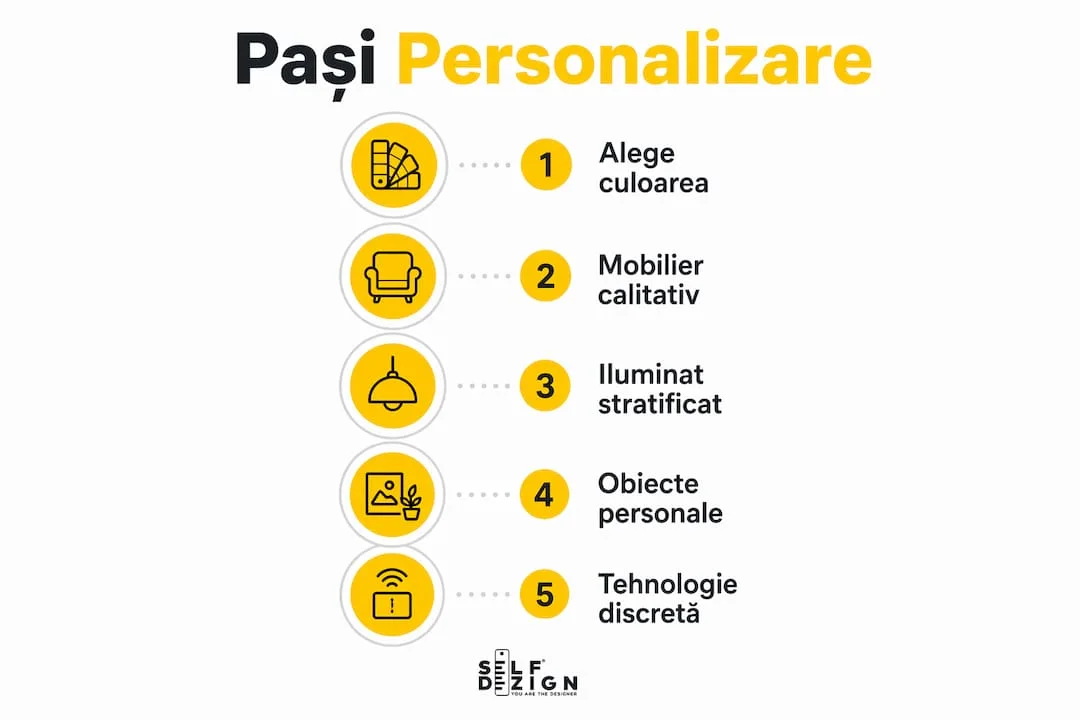
Customizing a residential space doesn't mean following a trend or buying everything that looks good on Pinterest. It means building an environment that works for you, that reflects how you live and what matters. The essential steps are:
- Confortas a starting point, not as a bonus
- Colour palettechosen according to the room function and natural light
- Mobilierserving more than one purpose
- Layered lightingfor atmosphere and functionality
- Personal itemsthat makes a generic space yours
Each of these directions can be applied regardless of surface or budget. The difference is the order in which you approach them.
How to personalize residential spaces from comfort
Comfort is not a subjective preference, but a design criterion. A space that looks good but doesn't feel good missed the main goal.
- Choose upholstery and textiles with pleasant textures: velvet, thick cotton, merino wool
- Opt for literally warm floors: parquet and SPC are more comfortable than tiles in seating areas
- Check the ergonomics before aesthetics: the height of the chair, the depth of the sofa, the position of the bed relative to the window
Professional advice: Adapt your comfort to your daily pace. If you work from home, the office area needs the same ergonomic attention as a relaxation space, no less.
A well-designed residential spacecombine durable materialswith a layered lighting, resulting in a functional and relaxing environment at the same time.
How colors influence the atmosphere in your home
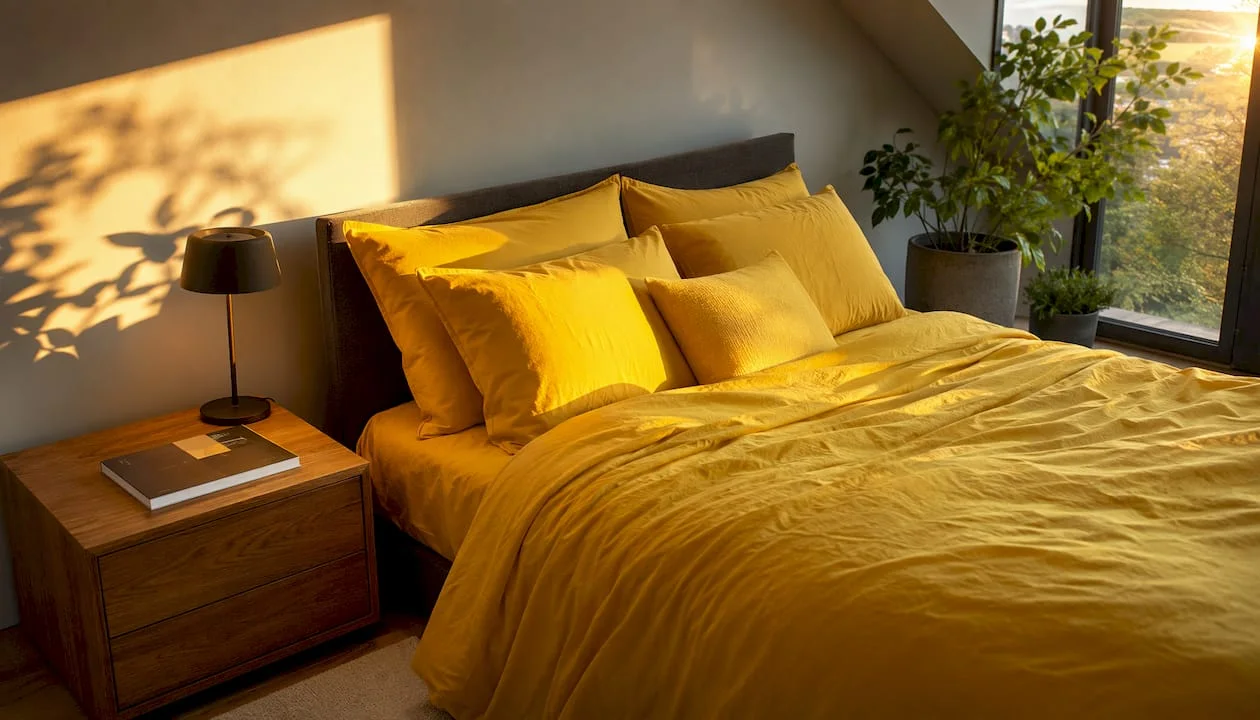
The color palette directly influences the mood and perception of the size of a space. There is no one-size-fits-all choice, there are choices that are right for your context.
- Light colors (warm white, beige, light gray) amplify the feeling of space and brightness
- Saturated shades (dark green, marine blue, terracotta) add depth and warmth
- The bedroom benefits from calm tones, the living room supports bolder accents
- Avoid more than three dominant colors in a room to maintain visual consistency
The camera function dictates the pallet. A kitchen with yellow and cream tones stimulates energy, a bedroom in shades of lavender or gray-blue favors rest.
What furniture supports a custom residential space
Modular and ergonomic furniture is the practical answer for spaces with small areas or needs that change over time.
- A sofa bed simultaneously solves the seating area and guest space
- Modular racking reconfigures without additional investment
- Folding tables free up space when not in use
- Bed with integrated drawers doubles storage capacity without taking up extra inches
Professional advice: Combine one or two high-quality pieces with affordable furniture. The sofa or bed is worth the investment; the shelves and auxiliary tables can be simpler without compromising the result.
How to create a relaxation corner even in a small space
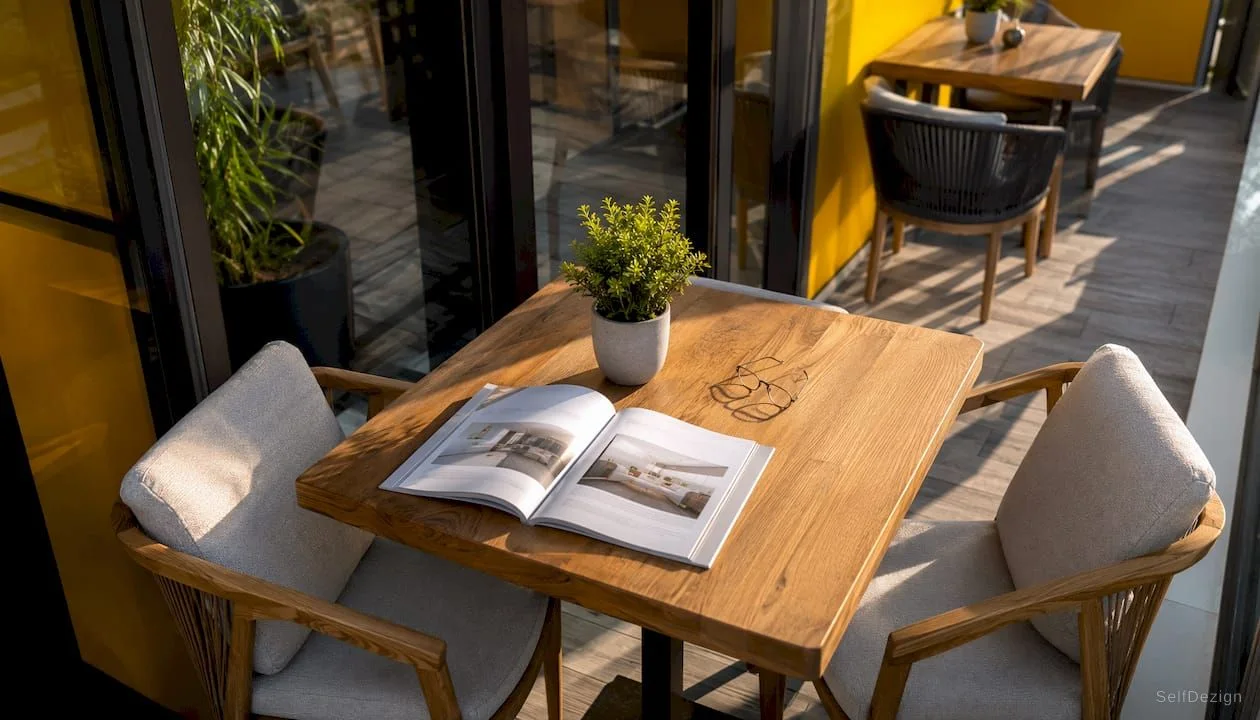
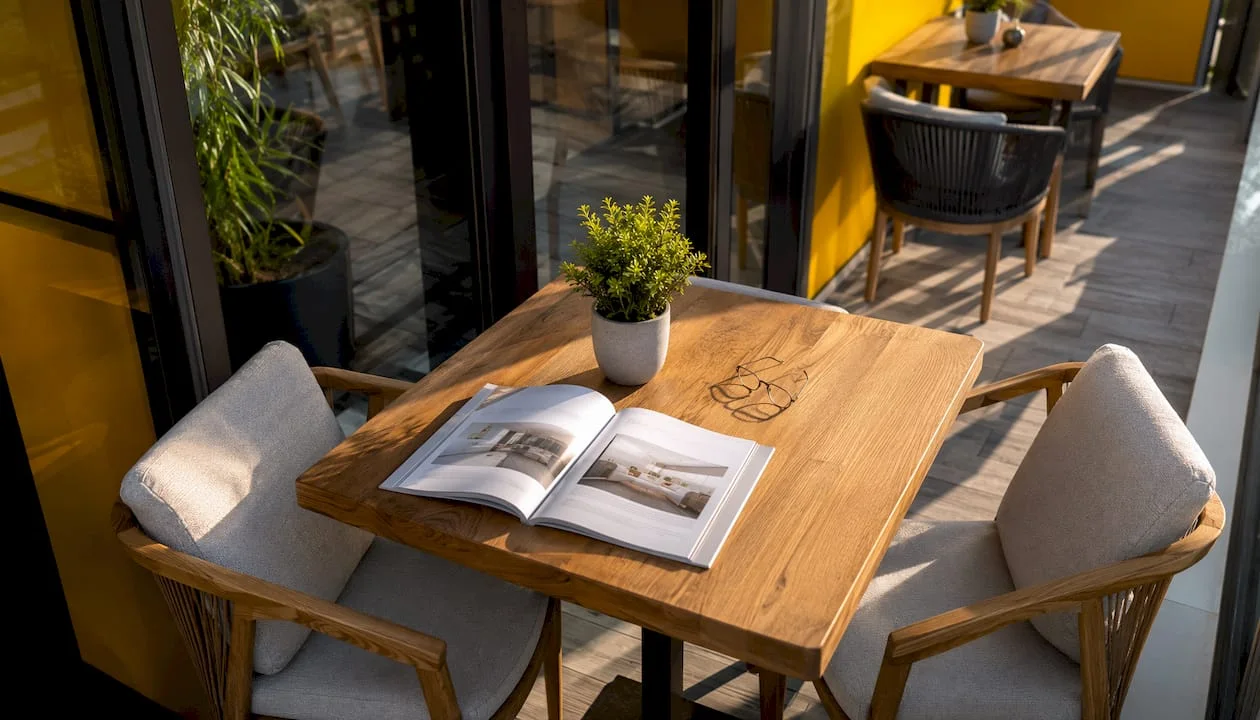
A Zen space does not require a separate room.Reduction of visual loadand the use of natural elements are sufficient to delineate a quiet area.
- A cozy armchair by the window, with a floor lamp and a plant next to it, already forms a distinct corner
- The mat delineates the area without raising walls
- Fine textures (linen pillows, woolen blanket) add a sense of refuge
- Minimize visible objects: the less on surfaces, the more the space breathes
How to use lighting to transform a room
Three-level lightingcompletely changes the perception of a space: general, functional and accent.
- General: ceiling light or ceiling spotlights provide basic light
- FUNCTIONAL: desk lamp, lighting under kitchen cabinets, reading wall lamp next to the bed
- Accent: LED strip behind the TV, spot pointing towards a painting, candles for the evening
Color temperature matters as much as intensity. Warm light creates atmosphere in seating areas; neutral light is suitable for offices and kitchens. Natural light remains your best ally: don't block windows with tall furniture and use transparent curtains during the day.
How to set up a budget without compromising the result
Realistic budget planning and balanced allocation between finishes, furniture and accessories determine whether the project remains under control or exceeds estimates.
- Invest in durable finishes for high-traffic areas: porcelain tiles in the hallway and bathroom, laminate flooring in the living room
- Customize with accessories and textiles, not new furniture: a new pillowcase or rug changes the atmosphere at low cost
- Refurbish existing furniture before replacing it: painted, upholstered or sanded, it may look completely different
- Look for materials at local or in-stock manufacturers; prices are often lower than large chains
Professional advice: Reserve some of your budget for the unexpected, especially in old apartments. Plant or structure surprises happen frequently and cost more if you're not ready.
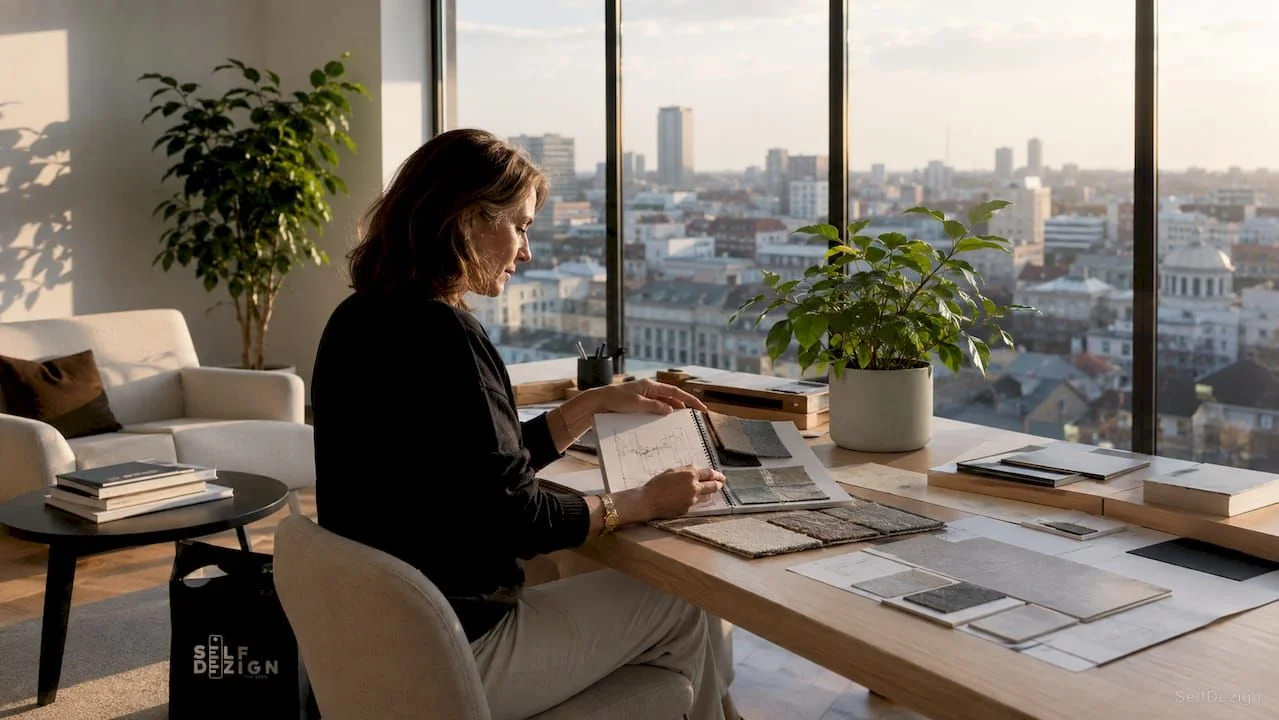
Designer or Decorator: Who you hire to personalize your listing
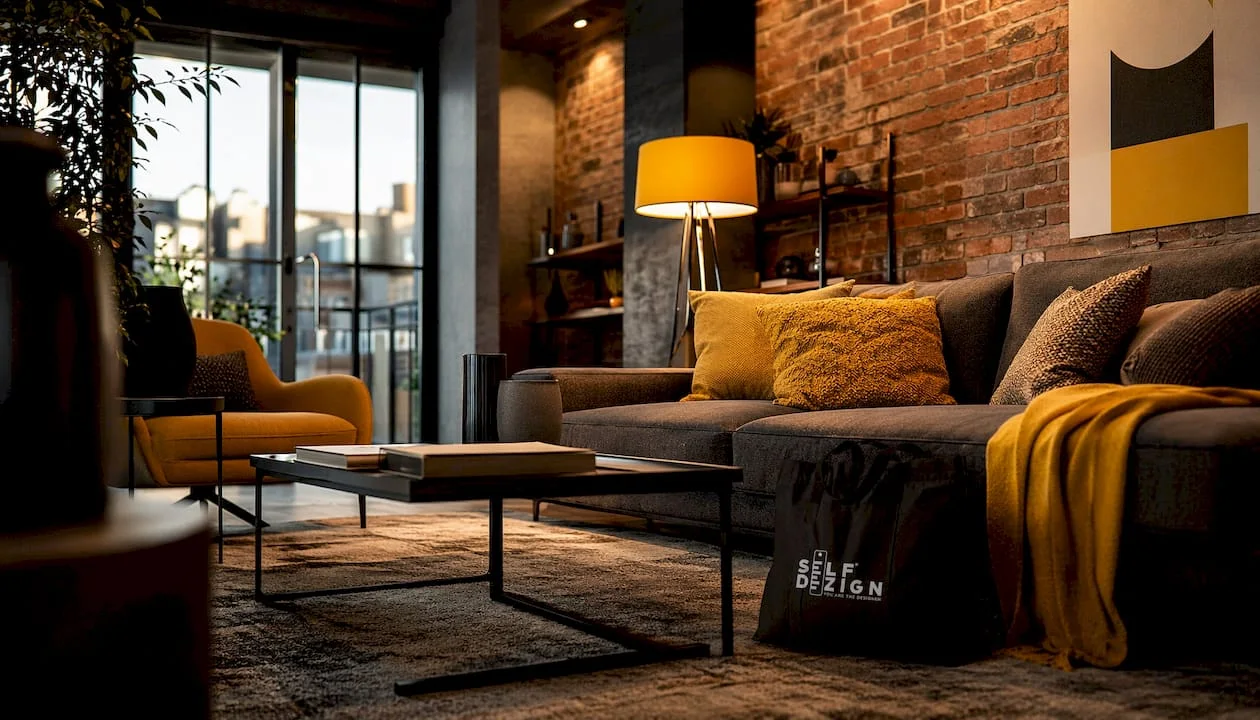
The difference between the two is not one of prestige, but of competence and type of intervention. The interior designer intervenes structurally: partitions, installations, ergonomics, technical projects. The decorator works on an already finished space and deals with aesthetics: colors, textures, furniture, accessories.
|
Criteriu |
Interior Designer. |
Decorator |
|---|---|---|
|
When you need it |
Background renovation, space to red |
Visual refresh, refurbishment |
|
Livrabile |
— |
Moodboard, visual concept |
|
Indicative fare |
Check with experts for personalized offers |
— |
At SelfDezign,custom residential developmentit always starts from understanding the real context of the project, not from a style chosen from the catalog. Check the portfolio of any specialist on projects similar to yours in typology and surface, not just aesthetics.
Why personal items and art matter in landscaping
A space without personal belongings looks like a hotel room. Photographs, travel items, artwork by local artists, or even your own, turn walls from a neutral background into a visual narrative.
Art doesn't have to be expensive to be effective. A wall with three to four different sized frames, with personal photos or illustrations, creates more impact than a decorative painting bought from the mall. Proportion and balance matter: don't overload surfaces, leave space between objects.
How to integrate technology without affecting aesthetics
Smart home technology no longer means visible cables and unaesthetically placed panels. Programmable thermostats, smart sockets, remote-controlled light bulbs and automated lighting systems fit discreetly into any design style.
Clear separation of functional areasand integrated technological coordination contribute to a coherent and lifestyle-friendly environment. Plan the infrastructure before finishing: cables and sockets hidden in walls are invisible; those added later cannot be hidden as easily.
How to personalize your space based on your lifestyle
Lifestyle is the filter through which all fitting decisions go. A person who cooks daily needs a kitchen with generous surfaces and affordable storage. Someone working from home needs an office area with proper lighting and visual separation from the seating area.
Before any purchase, answer three questions: how do you actually use the camera, not ideally? What bothers you the most right now? What would you keep unchanged? These answers guide better than any design trend.
How to organize storage without visually loading your space
Lack of storage is one of the most common complaints after fitting out. The solution is not more furniture, but better thought-out furniture.
- Use the height of the walls: cabinets up to the ceiling gain space without taking up extra surface area
- Choose furniture with integrated storage: ottomans with a lid, benches with drawers, beds with crates
- Organize by visible categories: labelled baskets, open shelves with aesthetic objects, drawers with dividers
How to choose and position plants for real impact
Plants are not optional decorative accessories. They add texture, color, and a vivid element that changes the perception of a space more effectively than many decorative objects.
Match the plant to the actual room conditions: Monstera and Pothos tolerate indirect light, succulents need direct light, ferns prefer high humidity. Positioning matters: a large plant on the floor visually anchors an empty corner, small plants on the shelves add visual rhythm without taking up useful space.
If you want your home to truly reflect who you are and how you live, the SelfDezign team works with you from concept to implementation. ExploreselfDezign residential servicesand discover what a project designed around your identity looks like, not around a trend.