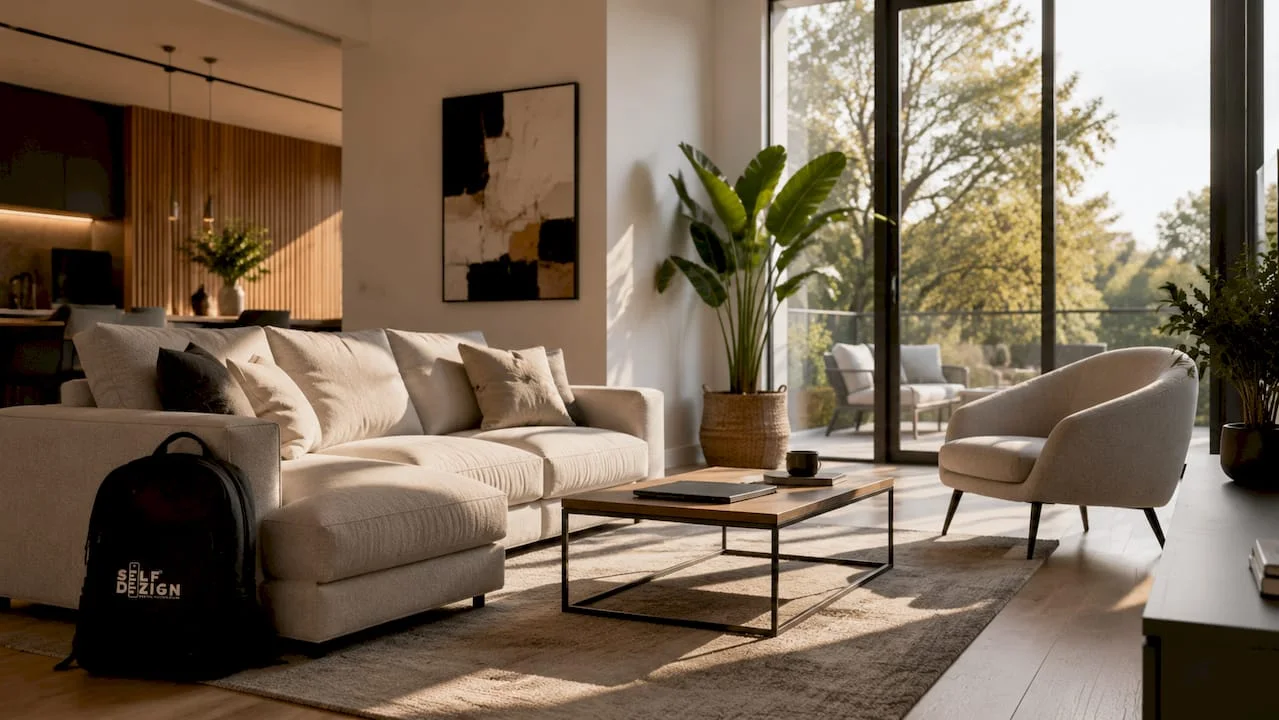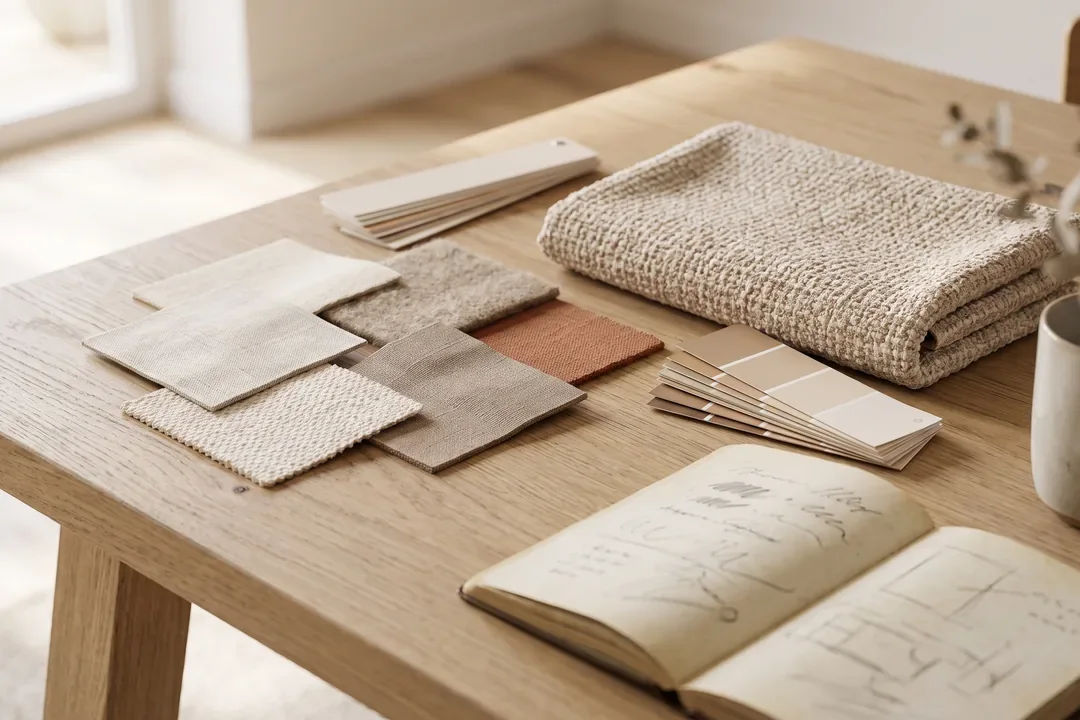
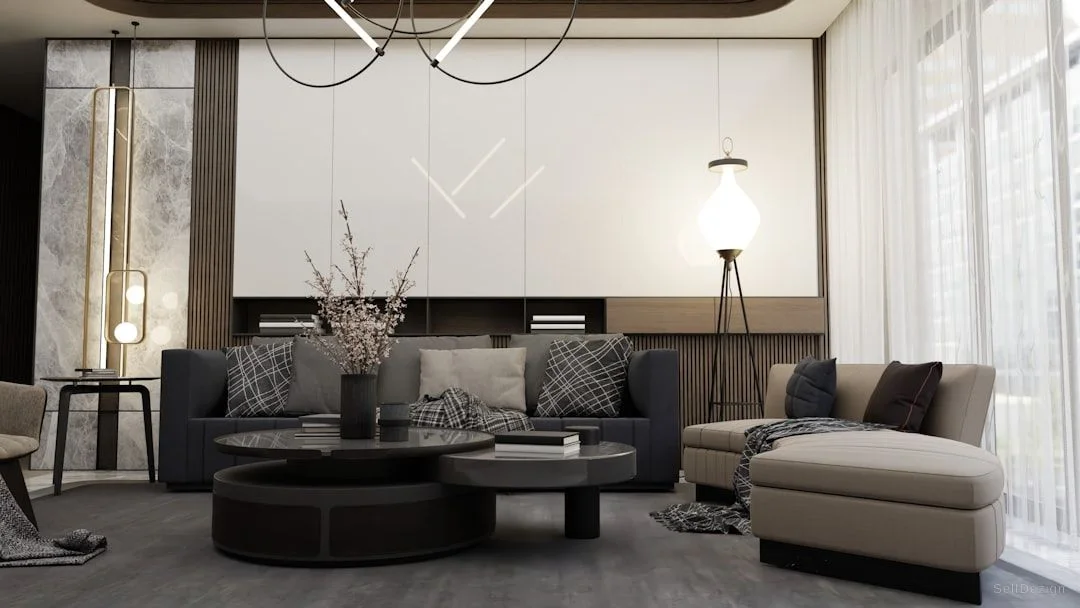
Guide to choosing the style of arrangement: from preference to decision

Choosing the design style is the process of identifying the visual vocabulary that defines the comfort, functionality and identity of a space. It is not an isolated aesthetic decision. The design style reflects how you live, how you work and how you feel when you enter the house. A guide to choosing a good style starts from four concrete factors: lifestyle, family composition, available budget and space size. Each of them directly influences which solutions are realistic and which choices will stand the test of time.
How to identify the style that suits you
Personal style doesn't reveal itself at a glance on Pinterest. It is built through observation and self-analysis. The first step is to write down what spaces make you feel good, whether they're cafes, hotels, or friends' homes. Those observations are more valuable than any online test.
Decorative style tests and questionnairescan help identify preferences and match personal tastes with existing options. They are a useful starting point, not a definitive conclusion. Complete them, but check the results against your own visual and sensory reactions.
The main decorating styles have clear characteristics and their knowledge shortens the decision process:
- Scandinavianbrightness, natural materials, soft textiles and functional furniture.Scandinavian styleis ideal for those looking for a relaxing and organized environment.
- Minimalistsimple lines, neutral colors and few decorations. Minimalist style is preferred by organized people who appreciate airy and functional spaces.
- Boho:varied textures, warm colors, plants and objects with story. Suitable for those with a relaxed and creative lifestyle.
- Classicalsymmetry, noble materials, ornamental details. Requires a larger budget and careful maintenance.
- Modern Warm:combines clean lines of contemporary design with natural materials and warm tones. It works well for families with children.
- Farmhouseraw wood, natural stones, organic textures. It creates a sense of authenticity and warmth.
- Industrial:metal, exposed concrete, open spaces. Preferred by those who appreciate urban and unconventional aesthetics.
Professional advice: Before choosing a style, spend a week jotting down what items in your current home you like best. Those tell you more about your real style than any home furnishing inspiration found online.
Aligning style with personality is not a luxury. The most beautiful space is the one adapted to daily habits, not the one that follows trends. A visually minimalistic space can be stressful if the tenant lives with many objects and does not have time to maintain order.
What critical factors influence choosing the right style?
Space size, budget, and functionality are not constraints. There are parameters that make the choice clearer.
Space size and brightness
Small spaces require multifunctional furniture, light colors and avoid clutter with many objects. Natural light and window orientation directly influence the choice of colors and finishes. An apartment with north-facing windows needs warm tones and reflective materials, regardless of the style chosen. Solutions forsmall spacesoften combines Scandinavian or minimalist style with integrated furniture, precisely because these styles prioritize functionality over decoration.
Functionality in relation to lifestyle
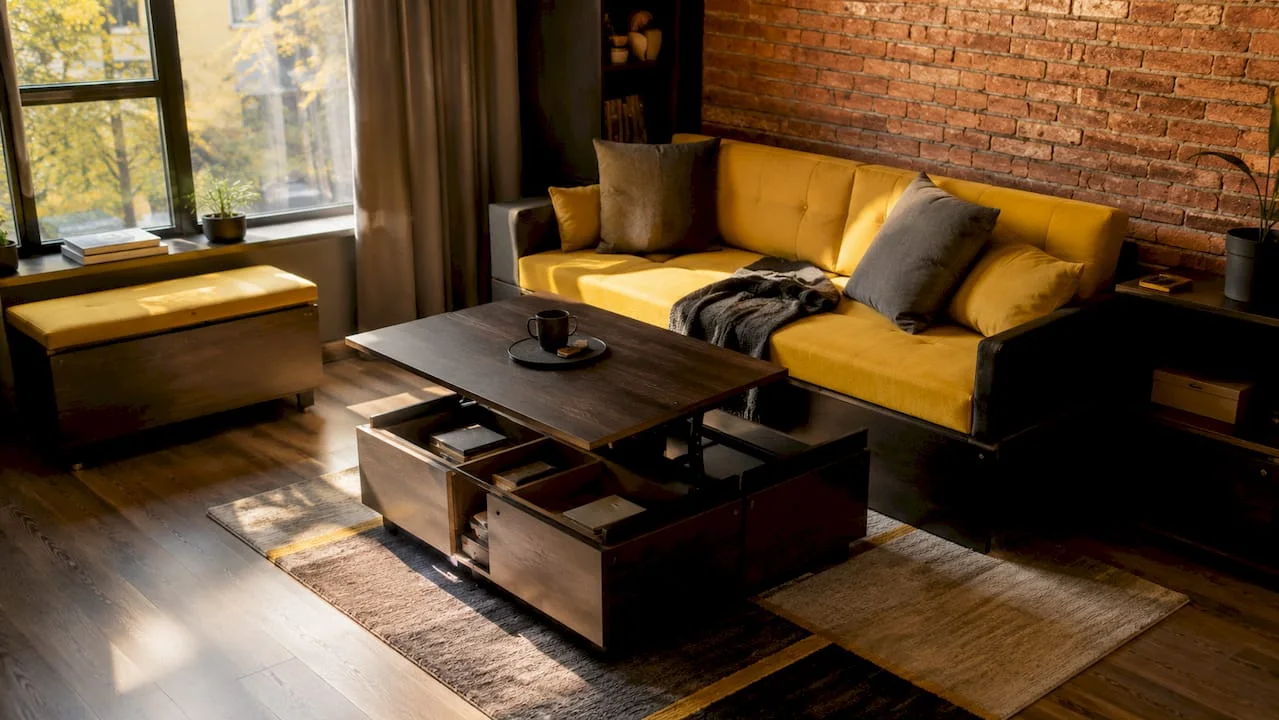
Functionality is keyespecially for families with young children who need durable and easy-to-clean materials. Modern Warm, Scandinavian and Rustic styles are recommended for such families. An industrial style with apparent metal and concrete surfaces may look spectacular, but it becomes impractical in the presence of small children or pets.
Budget and actual costs
The budget influences the choicedirectly. Scandinavian and Boho styles are more affordable for budgets under 10,000 Ron, while Classic and Contemporary styles can exceed 25,000 Ron. Costs include furniture, finishes and long-term maintenance.
|
Arrangement style |
Estimated Budget |
Lumen |
Suitable For |
|---|---|---|---|
|
Scandinav |
Accesibil |
Low |
Families, young people |
|
Boho |
Accesibil |
Medie |
Creative Lifestyles |
|
Modern Warm |
Mediu |
Low |
Families with children |
|
Rustic |
Mediu |
Medie |
Large houses, generous spaces |
|
Industrial |
Mediu |
Low |
Young people, urban spaces |
|
Clasic |
Ridicat |
High |
Experienced owners |
|
Contemporan |
Ridicat |
Medie |
Professionals, adults |
INFORMATION: Calculate the total cost of the chosen style over 5 years, not just the initial cost. A style with expensive but durable finishes can be cheaper than an affordable one that requires frequent replacements.
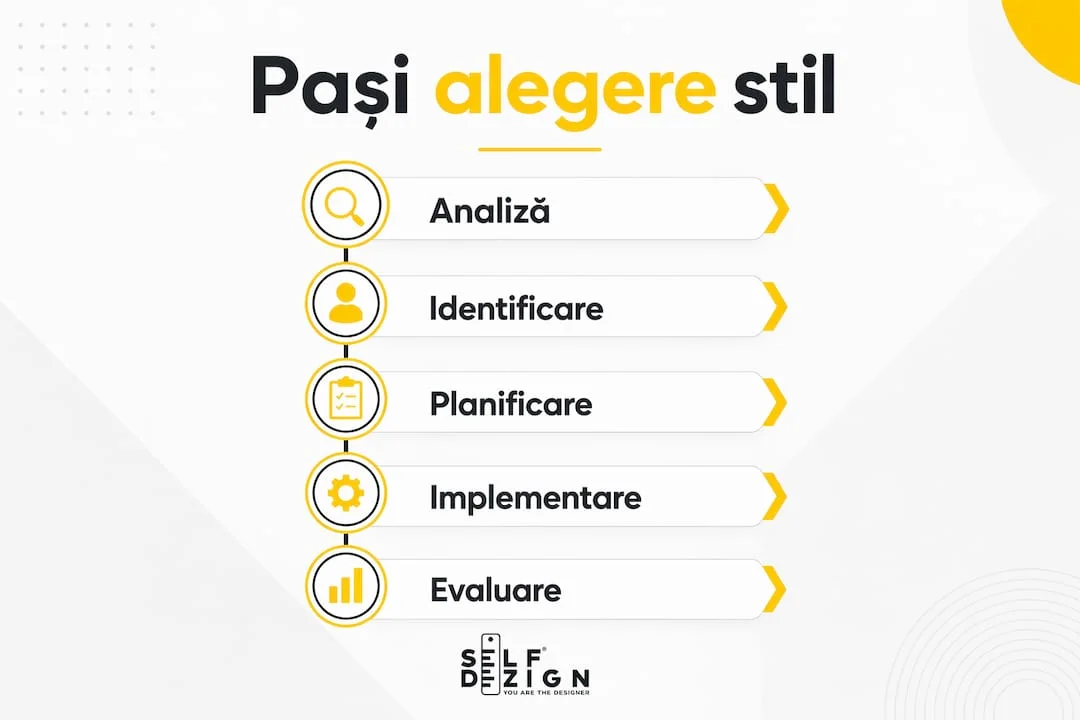
Practical steps for choosing and implementing the design style
A clear process reduces costly errors and speeds up the decision. Follow these steps in order.
Preliminary assessment
- Measure and photograph each camera.Note orientation to cardinal points, ceiling height, and daylight sources.
- Lists concrete functional needs.How many people use the space? What activities take place there? Are there any special storage needs?
- Set your total budget and break it down into categories.Furniture, finishes, lighting, decoration and contingency reserve.
- Identify what you can't change.The structure of the walls, the position of the installations or the already existing finishes are real constraints.
Determining the main style
Choose a clear base style and add a maximum of two accents from complementary styles. A space with three distinct styles lacks visual coherence. Check out aguide to choosing finishesbefore ordering materials, as finishes define the tone of the entire space.
Choice of furniture, finishes and colors
- Start with the big pieces of furniture and build around them.
- Choose a color palette of up to three main colors and two accents.
- Test colors on large samples before painting or ordering wallpapers.
- Check that the chosen materials are compatible with the style: natural wood goes with Scandinavian and rustic, metal with industrial and contemporary.
Gradual implementation
You don't have to arrange everything at once. Start with the rooms you use the most and move forward gradually. This approach allows you to adjust decisions along the way without high correction costs.
Common mistakes in choosing the design style are predictable and avoidable:
- Tracking trends without filtering.A trend becomes obsolete in 3–5 years. A well-chosen style lasts for decades.
- Ignoring the staircase of furniture versus space.A large sofa in a small living room blocks circulation and makes the space look smaller.
- Mix of styles without a conductive wire.Each piece can be beautiful individually, but without coherence, the space becomes visually tiring.
- Lighting neglect.Lighting defines the atmosphere more than any other design decision.
How to harmoniously combine several decorating styles?
Harmonious combination of stylesit is possible by choosing a basic style and integrating chromatically and material coherent accents. The main rule is to maintain a unitary color palette and repeat the materials for the visual unit. Without these two anchors, the combinations become chaotic.
Here's how it works in practice:
- Choose a basic style that covers 70% of the space.It dictates the main furniture, finishes and color palette.
- Add accents from a second style, a maximum of 20–25%.These can be decorative objects, textiles or a statement piece of furniture.
- Leave 5–10% for personal items.Items of sentimental value, art, or souvenirs that don't belong to any style but belong to you.
- Repeat at least one material in each room.Wood, metal or a certain type of fabric creates visual continuity between spaces.
- Create a clear focal point in every room.An accent wall, piece of furniture, or artwork that organizes attention.
|
Element |
Basic Style |
Complementary focus |
|---|---|---|
|
Canapea |
Scandinavian (light grey, wooden legs) |
Boho pillow (textures, warm colors) |
|
Dining table |
Rustic (solid wood) |
Industrial chairs (black metal) |
|
Dormitor |
Minimalist (white, single lines) |
Classic Bedside Table (Carved Wood) |
Adapting combinations to space and lighting is just as important as choosing styles. A small space with poor lighting does not support a combination of heavy styles with many dark textures and colors. There, the basic style should be bright and airy, and the accents subtle. You can read more abouttypes of interior designto understand how each style works in different contexts.
What I learned after years of projects: style is not a label
I work with clients who know exactly what they want and with clients who don't know where to start. Both situations have something in common: the style chosen at the beginning is never identical to the one implemented at the end. And that's good.
The biggest risk is not that you choose the wrong style. It's that you choose a style for how you want to look, not how you live. I saw impeccable minimalist spaces that became stressful after two months, because the owner lived with books, plants and collected objects. We also saw classic spaces that worked perfectly for families with three children, because the materials chosen were durable and easy to maintain.
My recommendation is to treat the design style as a hypothesis, not as a final decision. Test, adjust, and allow yourself to change. A good space isn't the one that looks perfect in photos. It's the one where you feel good after six months of living. Professional consulting is not a luxury reserved for large projects. It is the tool that reduces the cost of mistakes and shortens the path from intention to result. At SelfDesign, the process always starts from understanding the customer's real context, not from a catalog of predefined styles. going to go and see what it looks like.custom residential developmentIn practice:
SelfDezign: from style choice to implementation
Choosing the style is the first step. It's the right implementation that makes the difference between a beautiful space and a space that works. SelfDezign works with residential and commercial clients in Bucharest and Europe, providing interior design advice that starts from the real needs of the project, not from standard formulas. The process includes interior concept, technical design and implementation coordination. If you're setting up a workspace,office interior designis a concrete starting point to see what a personalized approach looks like in practice. Each SelfDezign project reflects the identity of the customer, not the trend of the moment.