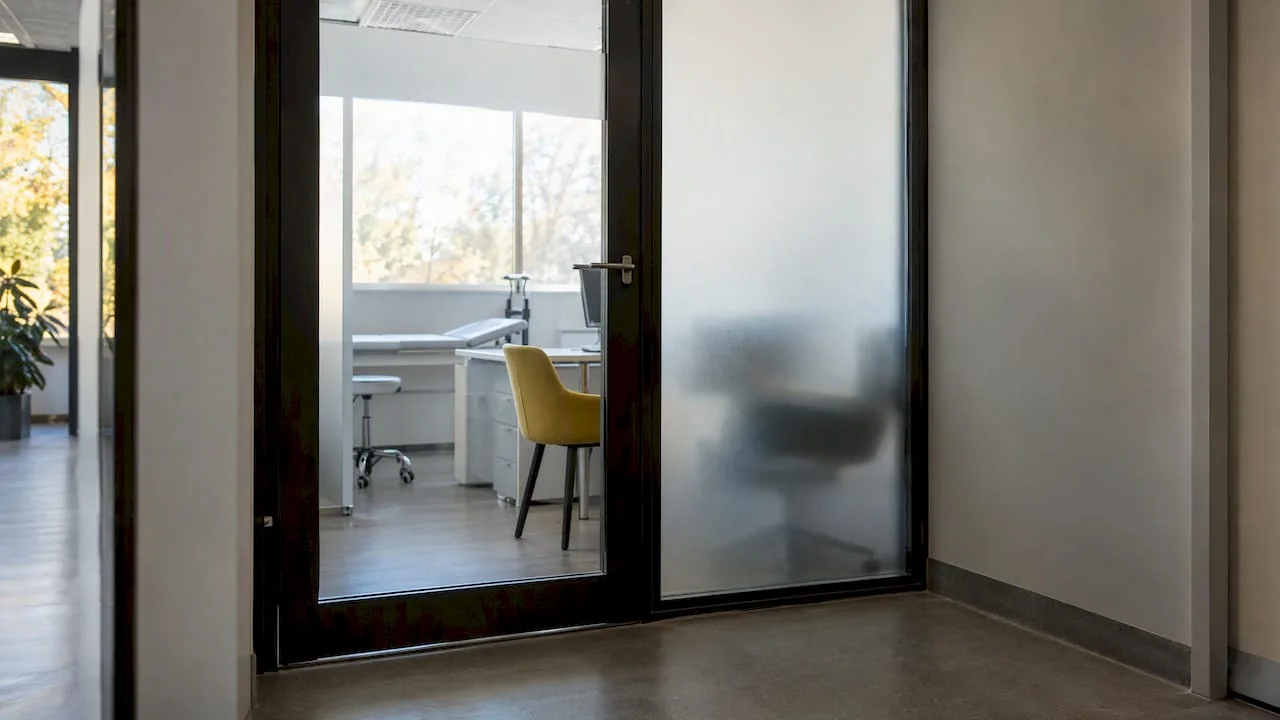

Clinical Design Consultation: How to Transform Your Medical Space in 2026

TL;DR:
- Most clinics in Romania lack specialized interior design consultation, resulting in unsatisfactory spaces for patients.
- Clinical design consultation ensures functionality, compliance, and a therapeutic environment, not just aesthetics.
- A structured, multidisciplinary process optimizes workflows and reduces risks, positively impacting patient experience and image.
Most clinics in Romania are furnished without specialized consultation, resulting in cold, disorganized, and sometimes even hostile spaces for patients. The paradox is that owners invest considerable sums in top medical equipment but ignore the environment in which patients use it.Therapeutic interior design improves clinical outcomes by reducing patient stress; it is not just an aesthetic matter. If you are a clinic or medical office owner and want to understand what clinical design consultation truly entails, what steps it involves, and what mistakes you can avoid, this article provides the clear answers you need.
Key Ideas
|
Point |
Details |
|---|---|
|
Multidisciplinary Consultation |
Involving specialists from multiple fields optimizes clinic functionality and patient experience. |
|
Standards and Hygiene |
Compliance with hygiene and accessibility standards (PMR) is mandatory for any clinic. |
|
Strategic Design |
Specialized medical design not only looks good but also enhances clinic reputation and efficiency. |
|
Avoid Common Mistakes |
Feasibility study and initial consultation prevent costly bureaucratic and functional errors. |
What Is Clinical Design Consultation and Why It Matters
Clinical design consultation is not the same as hiring an interior decorator. It is a structured process based on collaboration between architects, psychologists, epidemiology specialists, and sanitary standards experts. Every decision, from flooring materials to the color of waiting room walls, has a functional and medical justification.
The difference from generalist design is essential. A regular designer focuses on aesthetics and client preferences. A specialist inmedical clinic design starts from patient flows, hygiene standards, and how the space influences the psychological state of its users. It's not about making something beautiful, but about making something that works.
Specialized medical design optimizes flows and reduces stress, and a gentle, optimistic, and human experience is crucial in the healing process.
The role of the specialized consultant is to personalize the space according to your clinic's profile, the type of services offered, and the audience you serve. A dental office has completely different needs than a medical recovery clinic or an imaging center. Understanding these differences is what separates valuable consultation from superficial one.
Concrete benefits of specialized consultation include:
- Avoiding costly mistakes during the design phase, before execution
- Optimizing patient and staff flows for maximum efficiency
- Compliance with mandatory sanitary and accessibility standards in Romania
- Creating a therapeutic environment that reduces anxiety and increases patient satisfaction
- Differentiation from competitors through a memorable and professional space
Understanding therole of the design consultant helps you know exactly what to ask for and expect from such a partnership. It is not a luxury, but an investment with direct impact on how patients perceive the quality of your medical services. The space speaks before the doctor opens their mouth.
The Clinical Design Consultation Process: Steps and Methodology
A well-conducted clinical design project follows a clear methodology, not improvisation. Each stage has a precise purpose and builds on the previous one. Here is what the process looks like in practice:
- Initial consultation where objectives, budget, clinic profile, and owner expectations are discussed
- Feasibility study analyzing the existing space, applicable standards, and technical constraints
- Conceptual design with proposals for layout, materials, colors, and functional solutions
- Technical project including all details necessary for execution and obtaining approvals
- Implementation coordination to ensure execution follows the approved project
Multidisciplinary workshops are a key element of this process. Multidisciplinary assessments for creating therapeutic environments bring together specialists from different fields who analyze the same space from complementary perspectives. The result is a more robust solution than any single specialist could offer.
Here is how the multidisciplinary approach differs from standard design:
|
Criterion |
Standard Design |
Multidisciplinary Medical Design |
|---|---|---|
|
Team |
Single designer |
Architect, psychologist, standards specialist |
|
Priority |
Aesthetics |
Functionality and compliance |
|
Sanitary standards |
Optional |
Mandatory and verified |
|
Patient flow |
Ignored |
Optimized from concept phase |
|
Error risk |
High |
Reduced through multiple checks |
Exploring theclinical design services available, you will notice that each stage has clear deliverables. This gives you control and transparency throughout the project.
Professional tip: Before signing any contract, request a detaileddesign brief. This document aligns your expectations with the solutions proposed by the team and prevents costly misunderstandings.
Check at each stage that standards are respected and that the proposed solutions are functionally adapted to your type of clinic. Do not leave this responsibility solely on the designer's shoulders.
Essential Standards and Requirements for Clinic Design
Romania has a specific regulatory framework for medical spaces, and ignoring it can lead to fines, refusal of permits, or worse, risks to patient health. Key standards include strict hygiene, PMR accessibility, adequate ventilation, electrical safety, and natural light that reduces cortisol.

Here are the main categories of requirements to consider:
|
Domain |
Main Requirements |
|---|---|
|
Hygiene and Sterilization |
Antibacterial surfaces, easy-to-clean materials, separation of clean and contaminated areas |
|
PMR Accessibility |
Access ramp, adapted toilet, corridors at least 120 cm wide |
|
Ventilation |
HVAC systems sized for the type of medical procedures performed |
|
Electrical Safety |
Installations adapted for high-power medical equipment |
|
Natural Light |
Properly sized windows, complementary artificial lighting |
Biophilic elements, i.e., plants, wood, and natural materials, are not merely decorative. They actively contribute to reducing patient anxiety and creating a more human environment. Their integration must still comply with hygiene standards, meaning not every plant or natural material is suitable in a medical space.
Essential aspects to monitor are:
- Separation of clean and dirty flows to prevent cross-contamination
- Adequate lighting in consultation and treatment areas, with precise lux values
- Controlled acoustics for confidentiality and background noise reduction
- Clear signage of spaces for easy patient orientation
You can learn more about thesanitary standards applicable and how they influence design decisions. Compliance is non-negotiable, but a good consultant knows how to integrate them elegantly into the concept without sacrificing aesthetics.
Balancing Aesthetics and Functionality: Challenges and Solutions
Here lies the greatest challenge of medical design: how to create a space that meets all standards while also looking good and feeling welcoming? It is not impossible, but it requires experience and creativity.

Medical equipment is the first obstacle. Electrical, plumbing, and HVAC installations must be sized for dental units, sedation, or vacuum, not for a residential apartment. This means the building structure, technical networks, and room layout must be designed from scratch based on the equipment you will use.
Bureaucratic challenges are also real:
- Multiple approvals from DSP, ISU, and other local authorities
- Changing regulations that can affect the project during execution
- Coordination between specialized designers, architects, and builders
- Tight deadlines imposed by lease contracts or planned opening
Integrated aesthetics is the solution. Warm colors in the waiting area reduce anxiety. Well-thought-out acoustics eliminate unpleasant noises from consultation rooms. Adjustable lighting creates different atmospheres for different areas of the clinic. All these are design decisions with direct functional impact, not mere decorative choices.
Professional tip: Adapt the design to the specific profile of your services. A pediatric clinic needs bright colors and play areas, while an oncology center requires a calm, soothing, and highly human environment. Consult theadvantages of consultation to understand how a personalized approach makes the difference compared to generic solutions.
What Most Don't Say About Clinical Design Consultation
There is a reality few state directly: clinical design consultation is not an expense but a strategic differentiator. Owners who treat it as an optional cost end up paying more later through renovations, fines, or losing patients who choose friendlier clinics.
The common mistakes we see are predictable. Omitting specialized consultation and hiring a generalist designer. Using cheap materials that do not meet hygiene standards. Ignoring patient flows in the layout phase. All these seem like short-term savings but become serious operational issues.
Without specialized consultation, spaces become hostile and the clinic loses its competitive edge.Strategic design increases profit and differentiates the brand, even if there is no precisely calculable ROI for every aesthetic decision. The effect is real and is felt in patient reviews, retention rates, and the ability to attract quality medical staff.
A well-designed medical space tells the patient, before any human interaction, that you are a professional who respects their comfort. This is the value ofinterior design consultation advantages that you cannot quantify exactly but feel every day of operation.
Transform Your Clinic with Specialized Design
If you have made it this far, you already know that proper medical design is more than an aesthetic choice. It is a strategic decision with direct impact on patient experience, staff efficiency, and your clinic's reputation. AtSelfDezign, we work with clinic and medical office owners to create spaces that truly function, not just look good. You can explore real clinic interior design projects or discover how we approach other types of commercial spaces, includingoffice design. The first step is a discussion where we understand your specific context and offer you a clear direction.