Horeca furniture types: complete guide 2026
Horeca furniture is the set of furniture designed and manufactured specifically for hospitality retail spaces, including restaurants, cafes, bars and hotels. Choosing the right types of hospitality furniture directly influences customer comfort, staff efficiency and business image. A space with the wrong furniture loses customers not because of the food, but because of the physical experience. European norms, including EC Regulation 852/2004 and ANSVSA requirements, impose clear standards for the materials and design of furniture in the preparation and serving areas.
1. What types of hospitality furniture are essential in the service room?
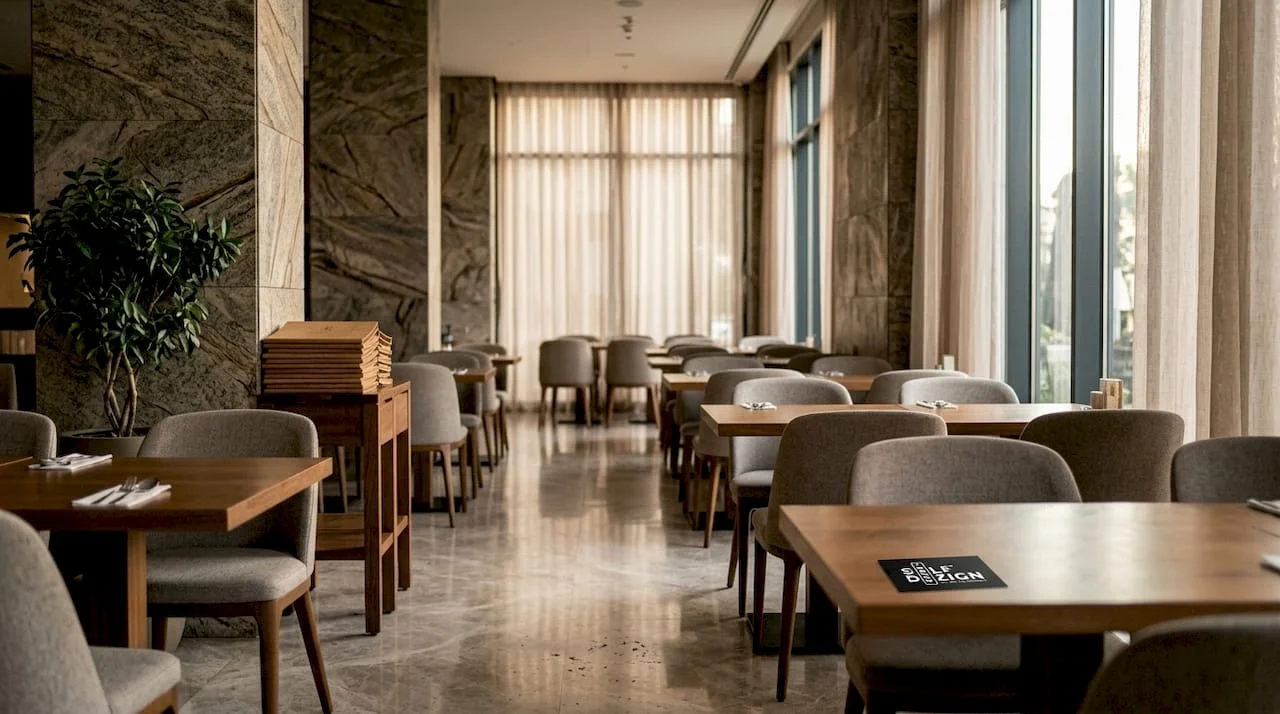
Chairs are the customer's first physical contact with your space.Recommended dimensionsfor horeca chairs are a seat height between 43–46 cm, ensuring optimal comfort for most adults. The guide prices start from 150 lei for simple models and reach 400 lei for variants with upholstery and sturdy metal structure.
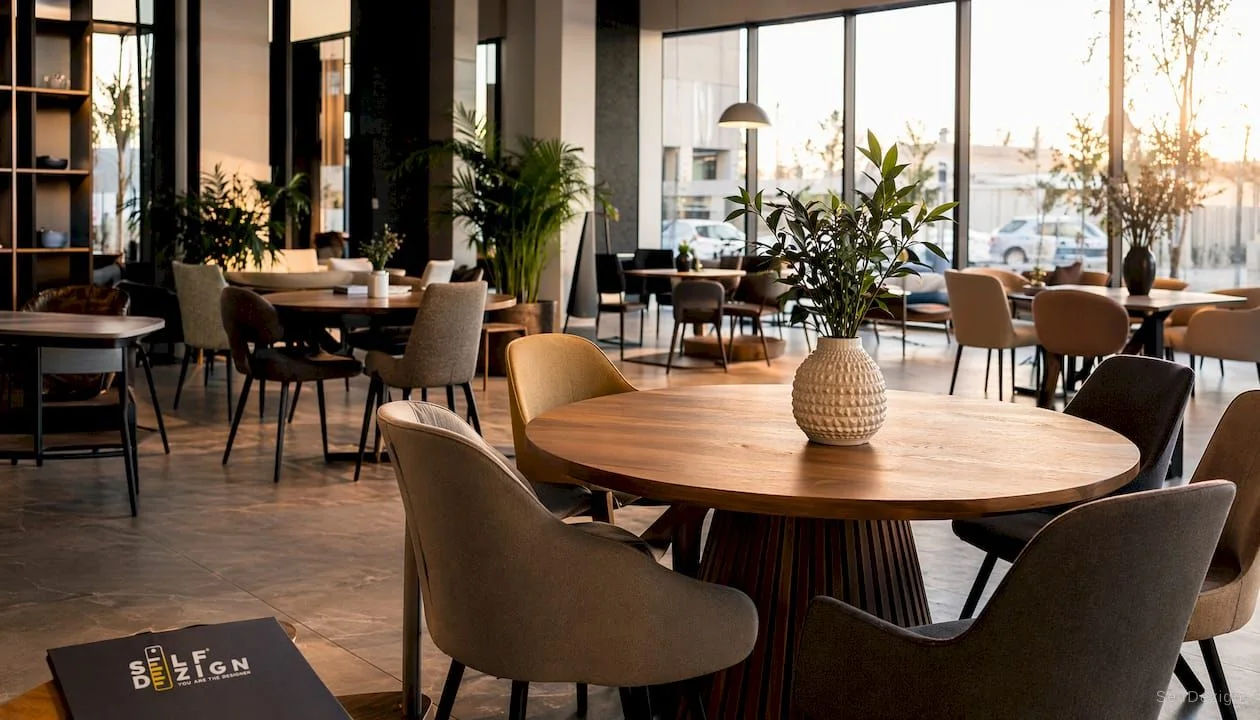
The horeca tables come in various sizes, starting from 60x60 cm for two people and increasing according to the desired capacity. Prices for tables are between 400 and 1,200 lei, depending on the material and finish. The worktop must withstand intense wear, moisture and professional cleaning products.
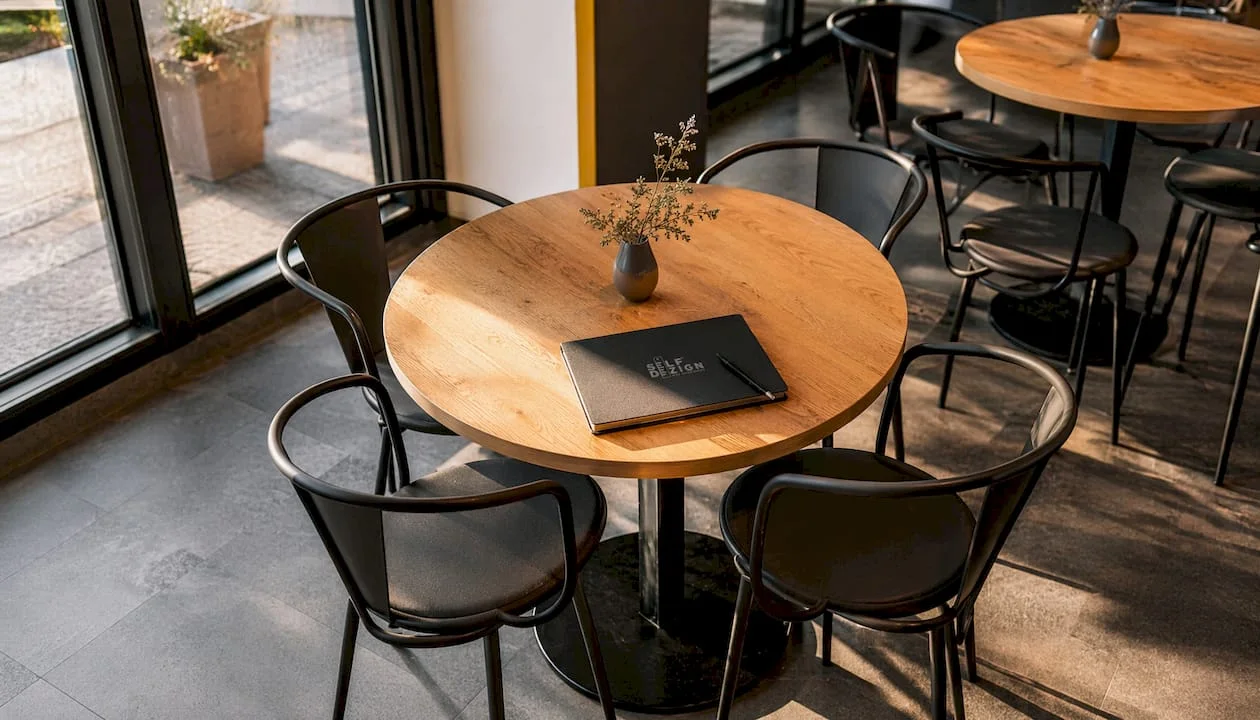
Lounge sofas and armchairs add a different level of comfort and are suitable for waiting areas, relaxing corners or cozy cafes. The investment in lounge furniture starts from Ron 800 and can exceed 2. 500 lei for parts upholstered with premium materials. These pieces communicate a clear message about your brand positioning.
Professional advice: Choose chairs without upholstery for high-traffic areas and reserve armchairs for slower rotating corners. Upholstery degrades quickly in crowded areas and increases maintenance costs.
The 2026 sustainable trend is also changing the selection of materials for the service room. FSC-certified wood, water-based finishes and organic or recycled textiles become the standard, not the exception. This change meets both environmental requirements and the expectations of a segment of customers increasingly attentive to the business values they attend.
2. How do you choose stainless steel furniture for your professional kitchen?
Stainless steel is the basic material of any professional kitchen, and choosing the wrong type of stainless steel can compromise both hygiene and veterinary compliance.AISI 304 is the food standardmandatory for any surface that comes into direct contact with food. The AISI 430 is used exclusively for non-food structures and elements such as table legs or lower shelves.
The main categories of stainless steel furniture in a professional kitchen are:
- Work tableswith AISI 304 countertop, available in lengths from 60 cm to over 200 cm
- Shelves and shelvesfor storing utensils and containers
- Professional sinkswith one or two vats, with integrated dripper
- Transport trolleysfor fast movement of preparations and equipment
- Cabinets and lockersfor the storage of protective equipment
Hygiene rules impose precise requirements for the design of stainless steel furniture. The corners of the furniture must have a minimum radius of 3 mm to prevent the accumulation of bacteria. The minimum distance from the ground is 15 cm, allowing efficient cleaning of the floor without moving the furniture.
|
Criteriu |
AISI 304 |
AISI 430 |
|---|---|---|
|
Food contact |
Obligatoriu |
Interzis |
|
Corrosion Resistance |
Very high |
Medie |
|
Recommended usage |
Countertops, sinks |
Structures, legs |
|
ANSVSA Compliance |
Da |
Partially |
Welding is a detail that many owners ignore when purchasing, but ANSVSA inspectors never ignore it.TIG WELDINGis the mandatory standard for stainless steel furniture in the horeca, producing smooth joints that do not allow the accumulation of bacteria. It costs 40-50% more than MIG welding, but eliminates the risk of rejection on inspection and significantly extends the life of the furniture.
Professional advice: When evaluating a stainless steel furniture supplier, ask them to show you the welding area in direct light. A correct TIG weld is uniform, smooth and without visible pores. If the surface looks grainy or irregular, the furniture will not pass ANSVSA inspection.
Compliance with these rules is not just a bureaucratic formality.Furniture materials and designhoreca ensures effective cleaning and disinfection according to ANSVSA requirements, preventing real risks of food contamination.
3. What are the types of hotel bar furniture and what role do they play?
The bar is the area with the highest density of interaction in any horeca space. Bar furniture must combine ergonomics with resistance to intense wear and sustain an atmosphere that invites consumption.High bar stoolshave heights between 65–75 cm, adapted to the standard height of the bar counter.
The main elements of horeca bar furniture are:
- high chairs,with or without backrest, upholstered or with wooden or metal seat
- Taburetewithout backrest, suitable for fast-traffic bars with limited space
- Bar table high tableswith a diameter of 60–80 cm, for consumption standing or in high chairs
- Bar counterwith scratch-, moisture- and alcohol-resistant surface
- Racking systemsfor the display of bottles and glasses, with an aesthetic and functional role
- Under Counter Refrigerated Cabinetsintegrated into the bar structure
The design of the bar furniture directly influences the consumption behavior. A bar with comfortable seating and good lighting causes customers to stay longer and order more. A bar with awkward footstools and crowded counter creates unconscious pressure to leave quickly. This dynamic is not a marketing theory, but a reality you observe in any well-designed space versus an improvised one.
Bar surface materials must be resistant to alcohol, citrus acids and aggressive cleaning products. HPL laminate, natural stone and stainless steel are the most common choices for the countertop. Each material has a different cost and maintenance level, and the choice depends on the volume of traffic and the budget allocated.
4. How do you optimize your space with modular and custom furniture?
Modular furniture is the solution for horeca spaces that need to work differently at different times of the day. Modular furniture allows quick reconfiguration of the room, easy storage and reuse of parts in varied contexts, without investing in additional furniture. A restaurant that hosts business lunches in the morning and private events in the evening needs this flexibility.
|
Furniture type |
Flexibilitate |
original cost |
Suitable For |
|---|---|---|---|
|
Standard Modular |
High |
Mediu |
Restaurants with events |
|
Fixed Custom |
Low |
Ridicat |
Clear Identity Spaces |
|
Custom Modular |
Very high |
Ridicat |
Premium projects |
|
Serial standard |
Low |
L |
Budget spaces |
Custom furniture solves a problem that serial furniture cannot solve: adapting to the exact geometry of the space and the visual identity of the brand. An irregular corner, niche or specific architectural structure becomes active, not obstacles, when furniture is designed around them. You can read more about this approach in the SelfDezign article oncustom furniture in interior designThe
Professional advice: Before ordering modular furniture, measure three times and test configurations on paper or in digital format. A module 5 cm wider than the available space blocks circulation and cancels out all the advantages of flexibility.
Sustainability becomes a concrete selection criterion, not a marketing argument. Certified materials, non-toxic finishes and suppliers with clear production chain traceability provide long-term guarantees for both customer health and compliance with European regulations. You can find examples ofcertified materials for the interiorin the SelfDesign guide dedicated to this topic.
An ergonomic design of the horeca furniture optimizes customer comfort and staff efficiency at the same time. The free movement between meals, the correct distance from the counter and the right height of the chairs from the tables are details that seem minor, but which impact the length of stay and the average consumption per meal.
If you want to understand how the entire fitting process works, from furniture selection to implementation, the SelfDezign guide to the horeca fitting workflow offers a practical and structured perspective.
What I learned after years of horeca projects
Restaurant and café owners are most often mistaken when choosing furniture based on how it looks in the pictures, not on how it works in their real space. A chair photographed in an impeccably lit showroom can look completely different in a room with warm light and closed floor. Even worse, it can be uncomfortable after 30 minutes, which means your customers will leave sooner than they would have otherwise.
The second thing that almost all landlords underestimate at the beginning of the road is the real durability versus the declared durability. A chair with a solid wood structure and eco-leather upholstery sounds good on paper. In reality, eco-leather upholstery visibly degrades after 12–18 months of intensive use, and its replacement costs almost as much as a new chair. Less visually spectacular technical materials last three times longer.
The best horeca furniture is not the most expensive nor the cheapest. It is the one chosen with a clear understanding of the volume of traffic, the type of customer, and the identity you want to communicate. Sustainability and sustainability are not trends of the moment in 2026. They are economic common sense criteria that any experienced owner has applied for years.
Toni
SelfDesign and landscaping of horeca spaces
SelfDezign works with restaurant and café owners who want more than just a nice space. They want a space that works, that retains customers, and that clearly reflects their business identity. The process starts with understanding the actual context of the project, not with a predefined furniture list. If you're just starting out or want to remodel an existing space, the guide toinner functionality strategiesis a concrete starting point. You can also see real examples of completed hospitality projects, such asIBM Cafeteriafrom the GBC Building, to understand what the result of a well-directed design process looks like.