
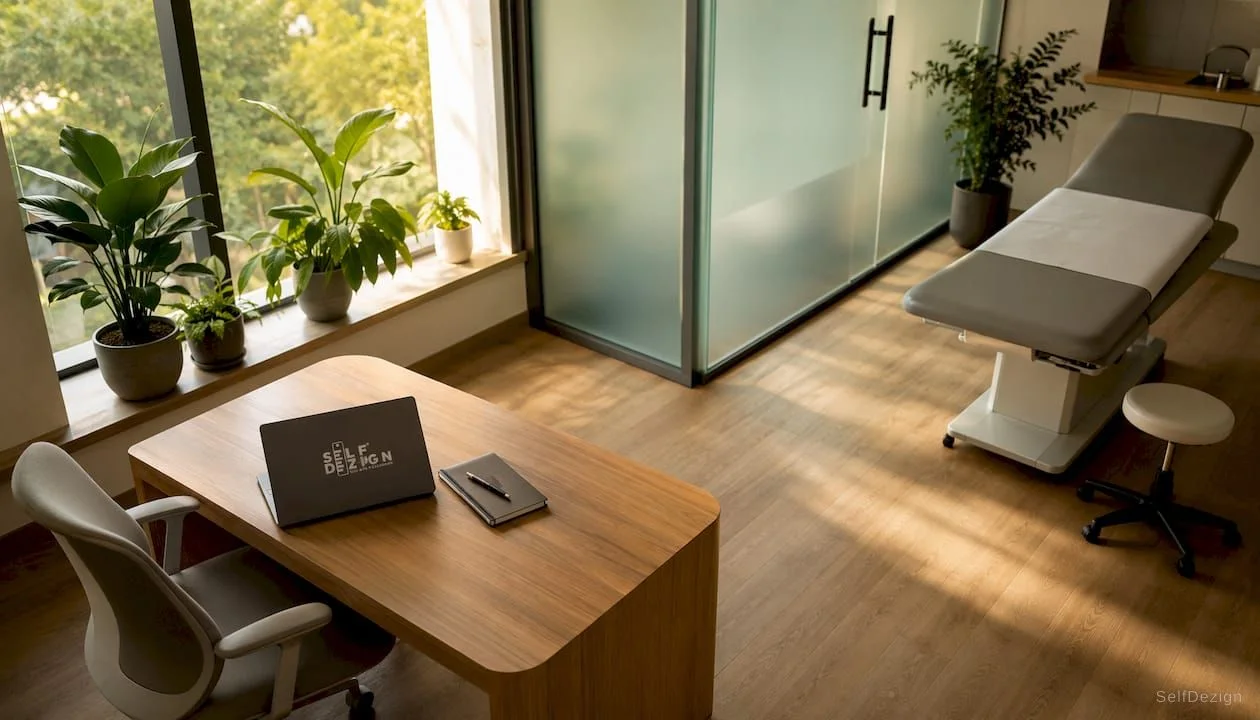
Biophilia in Medical Design: What You Need to Know
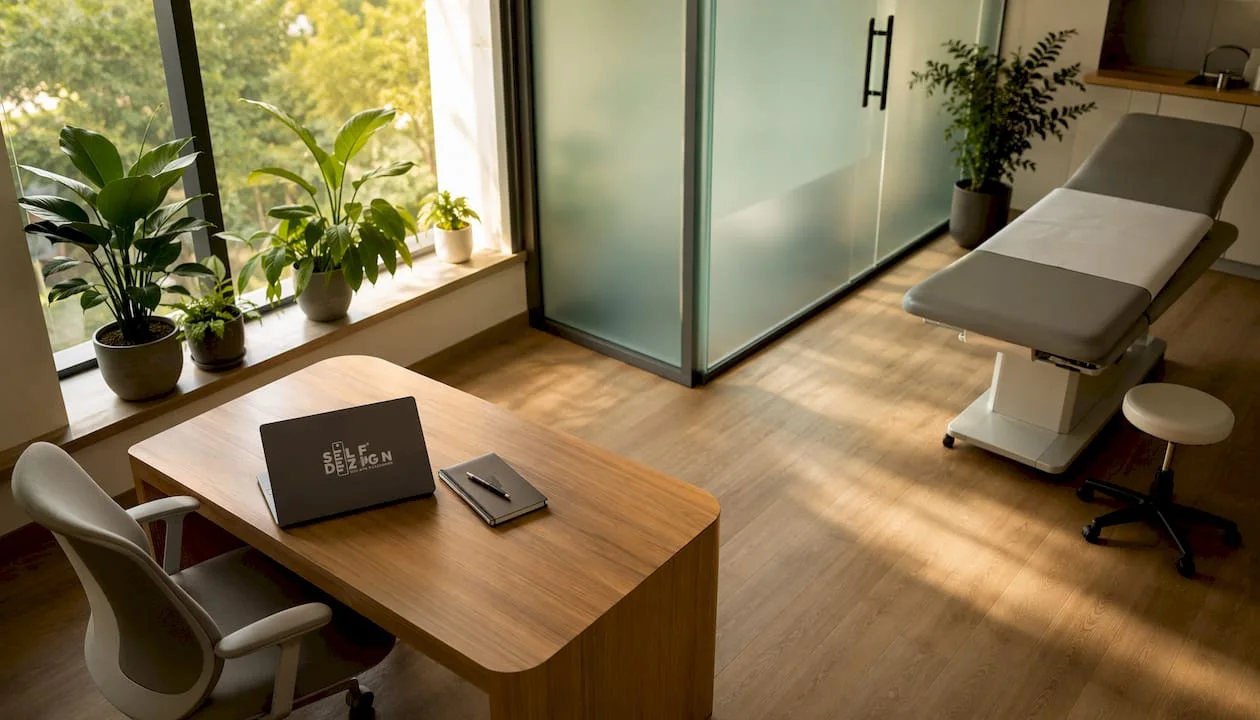
Biophilia in medical design means the deliberate integration of natural elements, processes, and patterns into clinical spaces to support recovery, stress reduction, and perceived patient safety. It's not an aesthetic trend. It is a therapeutic approach with measurable effects, supported byrecent systematic revisionsthat show reductions in length of hospitalization, decreased pain perception, and decreased anxiety in patients exposed to natural elements.
What does this mean concretely for a clinic or hospital in Central Europe:
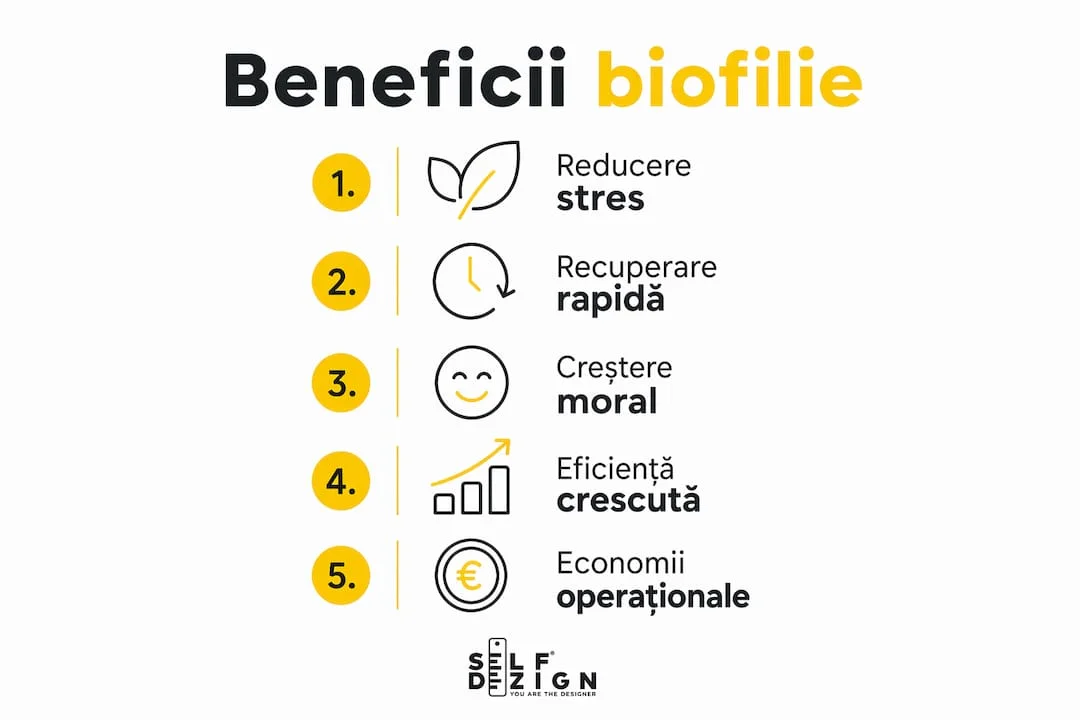
- Documented physiological effects:decreased cortisol levels, improved sleep, reduced analgesic consumption
- ·JO PSYCHOLOGICAL EFFECTS:lower anxiety, restoration of attention, stronger sense of control over the environment
- Operational effects:higher patient satisfaction, better staff morale, potentially reduced absenteeism
- Direct exposure to nature produces stronger effectsthan simulations (images, recorded sounds), according to the same revisions
This guide covers design principles, clinical evidence, practical strategies and an implementation checklist adapted to the Central European context.
What is biophilia applied in clinical settings and what are its principles
Biophilia, as a term, describes people's innate tendency to seek connection with nature. In medical architecture, this trend becomes a design tool: space is designed to activate positive physiological and psychological responses through contact with nature or its representations.
Systematic researchidentifies three categories of biophilic elements relevant to clinical settings:
- Direct natural elements:living plants, indoor or outdoor gardens, views of greenery, natural light, water, fresh air
- Simulated elements:images of natural landscapes, nature sounds (water, birds), organic textured materials (wood, stone)
- Natural Patterns and Shapes:fractal geometries, biomorphic shapes, light variations that mimic the rhythm of the day
The design principles that structure these elements include:
- Leaflet-refuge:the patient sees open space (prospect) and also has a protected, delimited place (refuge). Rooms with wide windows to gardens or patios directly apply this principle.
- Visual connection to greenery:even a partial view of trees or an indoor plant wall reduces perceived stress.
- Optimized daylight:not just quantity, but quality and variation throughout the day to support the circadian rhythm.
- Natural textured materials:wood, stone, ceramics with organic finishes, instead of exclusively synthetic surfaces.
- Multisensoriality:sound, smell, texture, not just visual.
- Perceived environmental control:the patient's ability to adjust the light, temperature or privacy of the space.
Specific notes for clinical environments:plant selection should prioritize species with low allergenicity (e.g., Sansevieria, Pothos, Dracaena), easy to maintain, and resistant to varying humidity conditions. Clinical workflows should not be obstructed by vegetal or decorative elements. Natural surfaces must comply with the sanitary norms in force, which means that wood, for example, requires specific treatments for medical spaces.
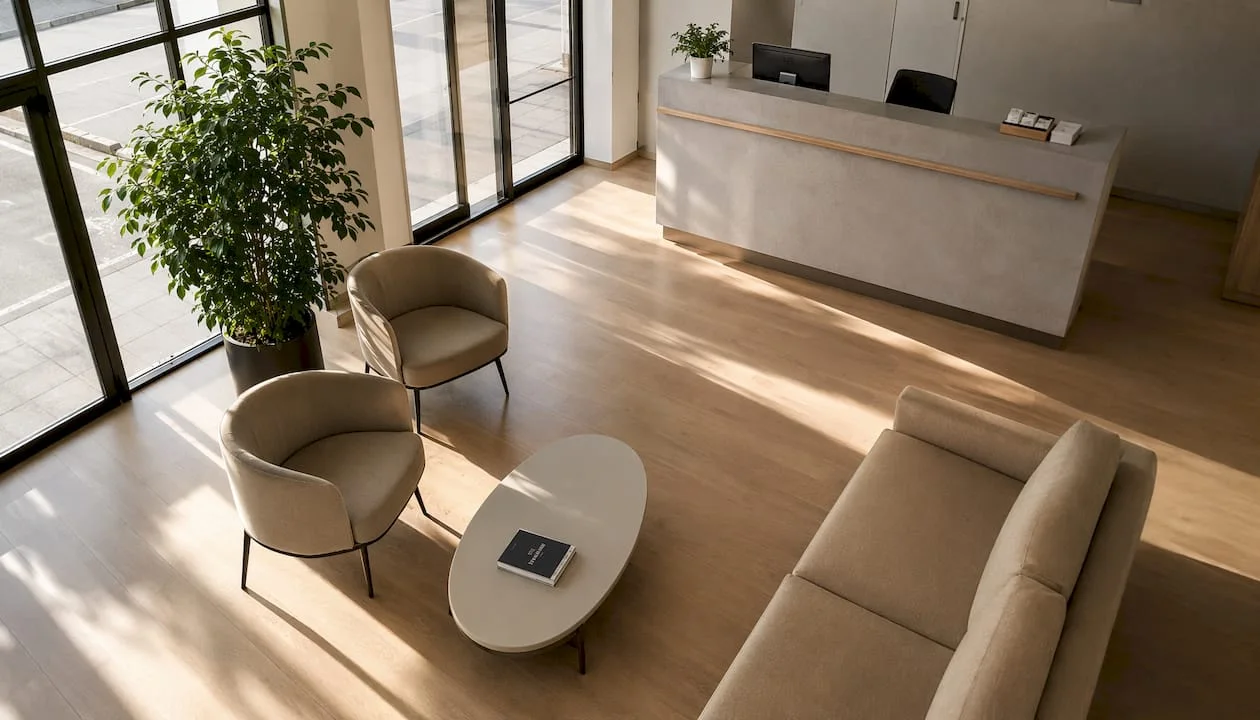
How biophilia influences physiological parameters and patient recovery
The empirical evidence accumulated in recent years is sufficiently consistent to justify investment decisions. A systematic review that reviewed studies published between 2010 and 2023 confirms that biophilic design in hospital settings is associated with reduced length of hospitalization, decreased pain levels, and decreased anxiety. The effects are stronger for direct exposure to nature versus simulations.
What the synthesis of evidence shows:
- Patients with views of greenery or access to gardens report less pain and need fewer postoperative analgesics
- Natural light improves the quality of sleep in hospital, with direct effects on the speed of recovery
- Cortisol levels fall measurably in the presence of real natural elements, not just simulated
- Integration of natural elementsat higher levels of complexity produces stronger effects than isolated interventions
Methodological note:the heterogeneity of studies (different types of interventions, populations, measurement methods) makes it difficult to quantify a universal average effect. Long-term effects remain less documented than short-term ones.
Direct Exposure vs. Simulation:a picture of forest on the wall has an effect, but smaller than an actual window to a tree. Nature sounds reduce anxiety in the waiting room, but an accessible indoor garden produces a deeper physiological reset. This hierarchy must guide budget prioritization: first natural light and real views, then simulations as a secondary level.
What cognitive and psychological benefits does biophilia bring to patients and staff
The mechanisms by which nature influences the mind are better understood now than a decade ago. Two theories structure most of the research:attention Restoration Theory(Attention Restoration Theory), which explains why nature restores the ability to concentrate after mental exhaustion, andstress reduction theory(Stress Recovery Theory), which describes how natural landscapes activate parasympathetic responses.
Recent researchidentifies three main mechanisms:
- Attention Restoration:nature provides “effortlessly fascinating” stimuli that allow the brain to recover after intense strain. Relevant to both patients and healthcare professionals after long shifts.
- Reduce stressthe sight or sound of nature activates the parasympathetic nervous system, lowering heart rate and blood pressure.
- Circadian rhythmnatural light synchronizes the internal biological clock, with direct effects on sleep quality and mood.
INFORMATION: If the budget allows for a single major intervention, prioritize natural light in hospital rooms and recovery areas. Impact on circadian rhythm is documented and directly related to the speed of recovery.
Patient:lower anxiety before procedures, better sleep during hospitalization, increased satisfaction with the quality of care received. In palliative care contexts,reconnecting with natureadds a significant emotional dimension, hard to achieve by other means.
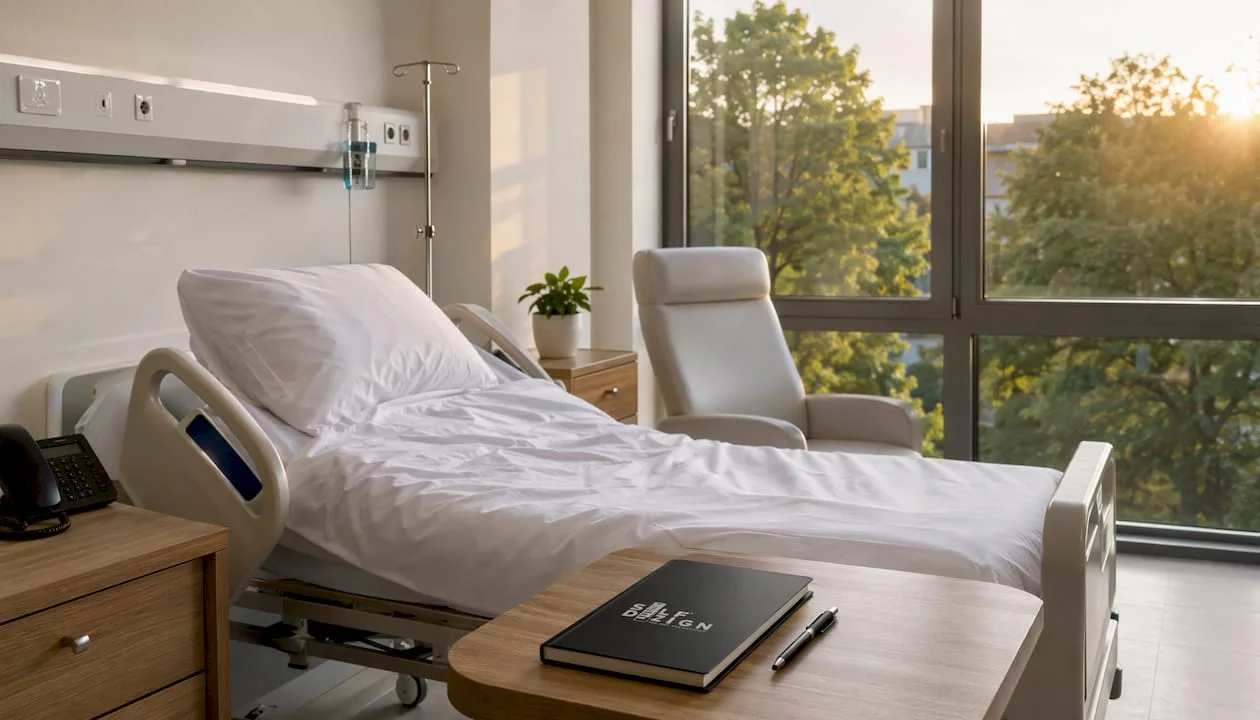
For staff:reducing perceived stress, improving morale, and potentially decreasing absenteeism. Healthcare professionals work in environments with high cognitive and emotional demands. A break space with natural elements is not a luxury, but an operational decision.
When biophilia becomes an economically justified investment
The economic argument for biophilia in medical spaces is built on operational indicators, not aesthetics. Reducing the average length of hospital stay by a few days, decreasing the use of painkillers or increasing patient satisfaction scores are figures that appear in hospital financial reports.
|
Indicator |
Biophilic mechanism |
Operational relevance |
|---|---|---|
|
Average length of hospital stay |
Natural light, views of greenery |
Direct costs per bed |
|
Analgesic consumption |
Reduction of pain perception |
Pharmaceutical costs |
|
Patient Satisfaction Scores |
More comfortable environment, perceived control |
Credentials, reputation |
|
Personal absenteeism |
Stress reduction, improved morale |
Replacement costs |
|
Personnel retention |
Better working environment |
Recruitment costs |
Interventions with low cost and documented impact:
- Maximizing natural light by repositioning furniture or replacing opaque curtains
- Low-allergen plants in waiting areas and corridors (low acquisition and maintenance cost)
- Images of high quality natural landscapes in rooms with no windows to the outside
- Nature sounds in waiting areas (minimum investment, immediate effect)
Operational aspects for Central Europe:the temperate climate allows outdoor gardens to be accessible about 7–8 months a year. In winter, indoor gardens or modular plant walls take over this function. Natural ventilation should be balanced with air filtration requirements in clinical settings, especially in high infectious risk wards.Health rulesimpose specific conditions for natural materials used in sterile or semi-sterile areas.
What design strategies work in medical spaces
Biophilic interventions do not apply uniformly. The type of space, available budget and clinical flows determine what is feasible and what produces the greatest impact.
Interventions with high impact and low cost:
- Repositioning beds and chairs to maximize window views
- Selection of low-allergen plants for waiting areas: Sansevieria, Pothos, Zamioculcas
- Images of natural landscapes (high resolution, large format) in rooms without exterior view
- Ambient nature sounds in reception and waiting areas
Interventions of medium complexity:
- Indoor gardens or healing yards with controlled access for outpatients
- Modular vegetable panels in corridors or hallways with automatic irrigation system
- Natural materials with sanitary specifications: treated wood, natural stone or ceramic with organic appearance on vertical surfaces
- Variable color temperature lighting (2,700-6,500 K) to support circadian rhythm
Major interventions (redesign or renovation):
- Redesign of hospital rooms with large windows facing green spaces
- Automatically controlled circadian lighting systems, synchronized with the time of day
- Outdoor therapeutic gardens integrated into the building site plan
- Utilizarea innovative natural materialswith sanitary certification for contact surfaces
Multidisciplinary coordination:a successful biophilic intervention involves the architect, the installation engineer (ventilation, lighting), the medical team (flows, hygiene) and the facility manager (maintenance). Without this coordination, natural elements become operational obstacles instead of therapeutic resources.Design for medical clinicsmust start from functionality, not aesthetics.
How to implement biophilia step by step: from pilot to scale
A medical biophilic project is not launched at full scale from the start. Piloting on a high traffic area (waiting room, main corridor) allows to measure the effects before committing a larger budget.
Concrete steps:
- Initial audit of the premises:evaluate window orientation, daylight quality, traffic flows, high stress areas for patients and staff
- Definition of clinical objectives:what do you want to improve concretely (preoperative anxiety, patient satisfaction, personal morale)?
- Selection of pilot interventions:choose 2–3 interventions with low cost and documented impact for the selected area
- Implementation and assembly:coordinate with the technical and medical team so as not to disrupt clinical flows
- Measurement of results:collect data on defined KPIs for 60–90 days
- Scaling decision:based on data, expand effective interventions to other areas
Recommended KPIs for evaluation:
- Average hospitalization days (before/after comparison)
- Anxiety scores (standardized questionnaires, e.g. STAI scale)
- Analgesic consumption per patient
- Patient Satisfaction Scores (Post Discharge Questionnaires)
- Staff absenteeism (days/month)
Common constraints and how to manage them:
- Limited budget:start with light and plants, not structural renovations
- Sanitary norms:Seeguideline of sanitary normsbefore material selection; not all natural surfaces are allowed in sterile areas
- Maintenance:choose plants with minimum requirements and automatic irrigation systems; include the maintenance cost in your annual budget
- Climatic variability:in Central Europe, plan solutions for the cold season (full spectrum artificial light, indoor plants)
- Institutional Acceptance:present the data from systematic reviews to the board and the medical team;rOI argumentis more convincing than the aesthetic argument
From a SelfDezign perspective: what really matters in biophilic medical projects
Biophilia in medical settings is treated too often as an aesthetic layer added at the end, after all functional decisions have been made. This is the fundamental error. When natural light, outdoor views, and organic materials are thought of from the start as part of the structure of space, they cost less and produce more. When added later, they become compromises.
What SelfDezign notices in medical projects is that clinic managers intuitively know that the environment matters, but do not have a clear framework to justify the investment to the board of directors. The answer is not a presentation about "well-being" or "aesthetics". It is an analysis of operational KPIs: hospitalization days, drug use, satisfaction scores, staff retention. Biophilia becomes justifiable when translated into these terms.
Another underestimated aspect: the impact on healthcare professionals is often faster and easier to measure than the impact on patients. A redesigned break area with natural light and a few plants produce visible results within a few weeks. This is an excellent entry point for a pilot, because the medical team becomes the ally of the project, not an obstacle.
Professional advice: When presenting a biophilic project to the CFO, don't talk about nature. Talk about space efficiency and the costs avoided: every day of reduced hospitalization, every dose of painkiller less, every employee who does not leave after the first year.
SelfDezign can transform your clinic space into a real therapeutic environment
Medical projects have a different stake than any other type of space. It's not about making a clinic “look good,” but about building an environment that supports recovery, reduces friction, and inspires confidence from first contact. SelfDezign works with medical institutions in Bucharest and Central Europe, offering initial space assessment, integrated design with biophilic elements and technical coordination of implementation, from concept to execution.
If you have a clinic under renovation or want to pilot a biophilic intervention in a high-traffic area, the first step is an audit of the existing space. It clarifies what is feasible, what makes a real impact, and how it integrates with current clinical flows and health rules. SeeSelfDezign services for medical clinicsor request a custom estimate for your project.
Recommended sources and readings to deepen
The articles and revisions below support the practical recommendations in this guide and can be used to document decisions at the organizational level:
- A Systematic Review and Conceptual Framework of Biophilic Design Parameters in Clinical Environments; useful for initial space audit
- A systematic review of the impact of therapeutical biophilic design on health and well-being 2010–2023; evidence to reduce length of hospitalization, pain and anxiety
- Biophilic design in hospital environments: a rapid review — case studies and strategies for integrating nature in hospitals; useful for patient satisfaction arguments
- The healing power of nature. Biophilic design applied to healthcare facilities — review 2017–2023; conclusions on the effectiveness of real versus simulated interventions
- Preprint: mechanisms by which biophilic design improves medical experience — psychological mechanisms (restoration of attention, stress reduction, circadian rhythm); good for scientific justification of interventions
- Reconnecting at the end: the healing power of nature in hospice and palliative care
- Biofílico aplicado a arquitetura hospitalar design - arguments for the systemic integration of biophilia, not as an isolated decorative element
- PubMed — Biophilic Design— database for recent clinical trials; useful for medical teams who want additional evidence
How to use these sources at the organizational level:summarize the conclusions from the first two systematic reviews in a one-page document for the board or management committee. Focus on operational indicators (duration of hospitalization, analgesic consumption, patient satisfaction) and present biophilia as an efficiency decision, not as an aesthetic preference. The conceptual framework at first source provides a clear structure for auditing space and prioritizing interventions.