
2026 Interior Concept Ideas: Trends and Inspiration
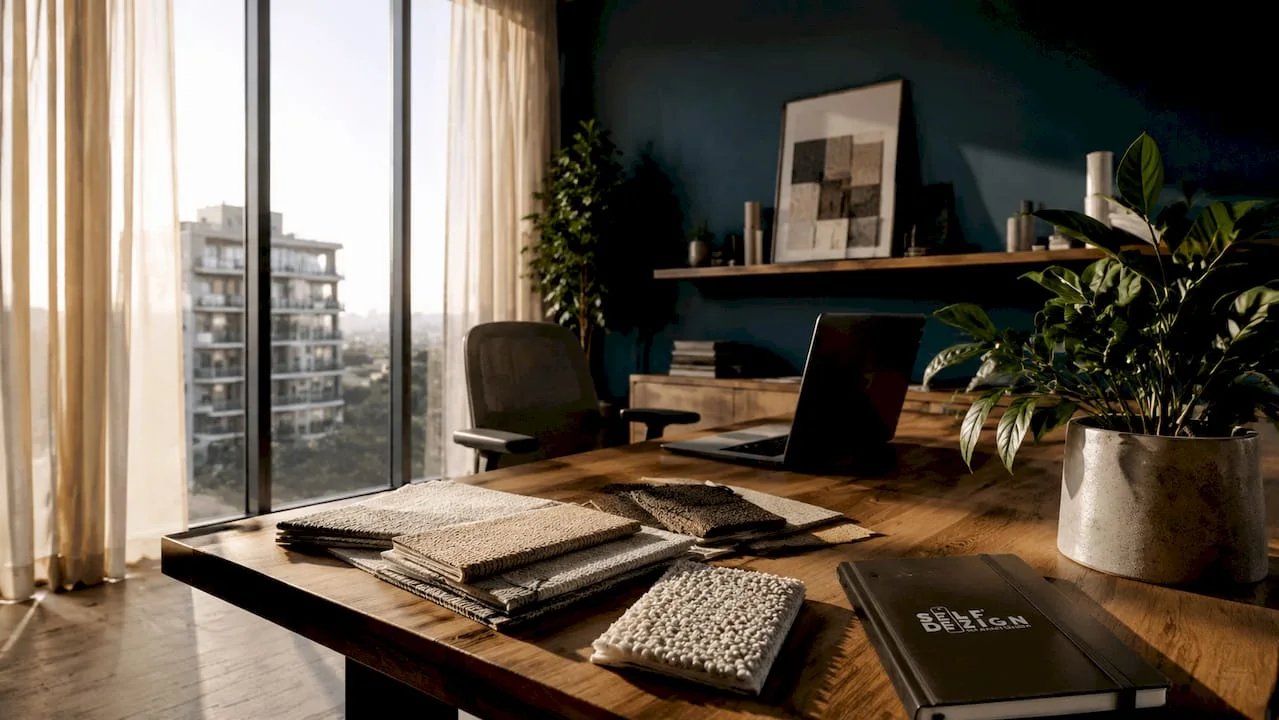
2026 interior concept ideas are defined by three pillars: authenticity, psychological comfort, and sustainability. Contemporary interior design abandons rigid minimalism and aesthetics crafted for social media photos in favor of spaces that truly reflect the identity of the inhabitant. The color palette becomes bolder, natural materials gain ground, and objects with a story replace catalog pieces. SelfDezign works precisely in this direction: each project starts from the client's real context, not from a trend template.
1. What are the main interior design trends in 2026?
2026 interior design favors authentic, personalized spaces with tactile textures and warm color. This is not a superficial style change, but a profound reorientation of the values behind the arrangements.
The main directions defining interior concepts for this year are:
- Lived-in spaces: abandoning sterile perfection in favor of an ambiance that truly shows someone lives there, with objects of emotional value and varied textures.
- Psychological comfort over visual aesthetics: the focus shifts from how the space looks in photos to how it feels daily.
- Multifunctionality and flexibility: single-function rooms become rare. The office in the bedroom, the living room that turns into a cinema, or the dining room that also serves as a workspace are increasingly common solutions.
- Bold style combinations: mixing vintage and contemporary, rustic and industrial, creates spaces with their own character, hard to categorize into a single style.
- Objects with a story: inherited pieces, acquired from travels, or created by local artisans take a central role in the visual composition.
Our advice: If you want to adopt these trends without losing spatial coherence, first choose a narrative thread. Ask yourself what story the room should tell before selecting any piece of furniture or color.
Multifunctionality does not mean aesthetic compromise. An elegantly integrated desk in a bookshelf or a modular sofa that redefines the living area are solutions that add value without sacrificing visual appeal.
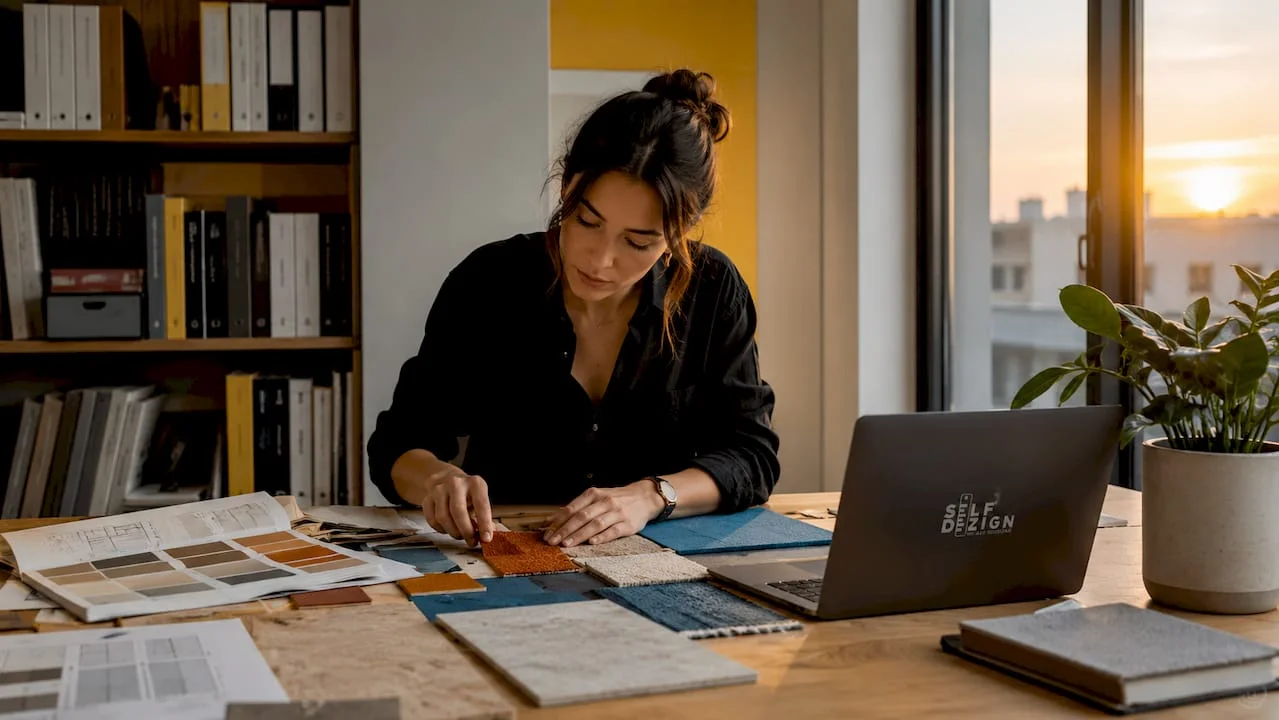
2. How does the color palette influence the expressiveness of the interior in 2026?
The 2026 color palette includes pastel mint green, deep purple, navy blue, and red-orange to create visual dynamism. Colors are no longer used timidly on an accent wall but build complete visual narratives.
|
Color |
Effect in space |
Recommended combination |
|---|---|---|
|
Pastel mint green |
Freshness, tranquility |
Natural wood, warm beige |
|
Deep purple |
Depth, elegance |
Matte gold, anthracite gray |
|
Navy blue |
Stability, refinement |
Pure white, copper |
|
Red-orange |
Energy, warmth |
Matte black, terracotta |
|
Terracotta |
Naturalness, comfort |
Olive green, cream |
Glossy finishes play a distinct role from the colors themselves. They amplify light perception and create tactile contrasts between matte and reflective surfaces. A lacquered cabinet in deep purple, placed next to a matte plastered wall, produces a much more sophisticated visual effect than two surfaces with the same type of finish.
A neutral base balances intense colors and strong textures, preserving visual harmony. This is the golden rule many ignore: chromatic boldness works only when there is a neutral anchor point, whether it's a gray-toned floor, beige walls, or warm white furniture.
Our advice: Do not use more than two saturated colors in the same space. The third color in the composition must always be neutral or low-saturation, otherwise the space becomes visually tiring.
Chromatic overload is one of the most common mistakes in arrangements that try to follow trends without a clear visual logic.Luxurious design requires courage and control to connect pieces into a coherent narrative. Courage without control produces chaos, not character.
3. Sustainable and natural materials in design concepts for 2026
Low-carbon footprint materials, such as solid wood, natural stone, and organic textiles, become standards in 2026 arrangements. This preference is not only an ethical choice but also a functional one: natural materials bring warmth, authentic textures, and superior indoor air quality compared to synthetic alternatives.
Recommended materials for asustainable interior design 2026 include:
- Solid wood: durable, repairable, and with an aesthetic that improves over time. Oak, walnut, and ash are the most used species in current arrangements.
- Natural stone: marble, travertine, and slate bring visual depth and long-term durability. Each piece is unique, eliminating artificial uniformity.
- Bamboo: fast growth, high mechanical strength, and contemporary appearance. It works excellently as flooring or furniture element.
- Organic textiles: untreated cotton, linen, and natural wool for upholstery, curtains, and rugs. They bring tactile comfort and reduce exposure to chemicals indoors.
- Fibracore: a structural material made of cardboard, which allowsfast and sustainable constructions with low logistical impact. Hybrid semi-monocoque load-bearing structures manually assembled from Fibracore open new possibilities for modular and lightweight arrangements.
Natural materials are not just an aesthetic choice. They influence air quality, perceived temperature, and the psychological state of those living or working in that space. A solid wood floor and natural plaster walls create a different indoor microclimate than the same space finished with synthetic materials.
The relationship between sustainability and visual quality is direct. Natural materials age beautifully, gaining patina and character over time, unlike synthetic alternatives that degrade visually. This is a long-term investment, not just a momentary choice.
4. Furniture and statement objects: how do they create character in 2026?
Statement objects become focal points of arrangements, defining the character of the space beyond standard furniture. A statement object is not necessarily expensive or extravagant. It is the piece that draws the eye, setting the entire visual composition of the room in motion.
How to choose and correctly integrate a statement object:
- Identify the central piece before anything else. It could be a sculptural light fixture, an unusually shaped armchair, or a rug with a strong geometric pattern. The rest of the room's elements are built around this piece.
- Let the piece breathe. A statement object needs visual space around it. If you surround it with equally strong pieces, the effect cancels out.
- Choose modular furniture for flexibility. Modular sofas, configurable shelves, and extendable tables allow space reconfiguration without sacrificing visual coherence.
- Integrate textile wallpaper on MDF fronts to add a unique tactile quality to custom furniture pieces. This technique produces a sophisticated finish hard to achieve with classic painting.
- Avoid accumulating statement objects. Practical rule: one dominant piece per room, maximum two if the space is large and there is a clear visual connection between them.
- Use lighting as an architectural element. Chandeliers suspended at different heights create virtual volumes that shape architecture and amplify the perception of vertical spaces. Lighting is no longer just functional but becomes part of the room's visual composition.
- Test narrative coherence. Before purchase, ask yourself if the piece fits the story the space should tell. A beautiful object that does not connect to the rest of the composition weakens, not strengthens, the design.
Modular furniture deserves special attention in the context of 2026 trends. Flexibility is no longer a compromise on aesthetics but a basic requirement. Spaces that can be reconfigured according to daily or seasonal needs are more valuable and comfortable in the long run.
5. How to choose the right colors for a futuristic interior concept?
A futuristic interior concept does not necessarily mean cold, metallic, or warmthless spaces. The 2026 direction combines discreet technology with natural materials and expressive colors, creating a balance between innovation and comfort.
Choosing colors for such a concept follows a clear logic. You start from the function of the space and the mood you want to induce. A bedroom needs colors that calm and prepare for rest, while an office or workspace benefits from tones that stimulate concentration without tiring.
Navy blue and dark green work excellently in workspaces because they reduce visual anxiety and maintain attention. Deep purple and terracotta are more suitable for relaxation areas, where chromatic depth contributes to a sense of intimacy. Red-orange, used in moderation, adds energy in reception areas or dining zones.
Our advice: Test colors in real light conditions before the final decision. A color that looks perfect on a small sample may appear completely different on an entire wall, especially if natural light varies throughout the day.
6. Practical tips for implementing an innovative interior concept
Implementing an innovative interior concept does not mean buying everything new on the market. It means building a coherent space, starting from your real needs and a clear visual logic.
Concrete steps to adopt 2026 trends without losing control:
- Define your lifestyle before any aesthetic choice. How many hours do you spend at home? Do you have children or pets? Do you work from home? The answers to these questions dictate the functionality of the space, which must take precedence over aesthetics.
- Build a neutral base. Flooring, walls, and main furniture should be in neutral tones. Expressive colors and textures come over this base, not instead of it.
- Integrate discreet technology. Smart lighting systems, programmable thermostats, and cable storage solutions are part of thelighting concept modern, but they should not be visible or dominant.
- Plan a realistic budget. A well-structuredinterior design budget allows you to invest in the pieces that matter and save where visual impact is minimal.
- Seek professional consultancy. SelfDezign works with clients from Bucharest and Europe, for residential, commercial, office, and medical clinic spaces. The team starts from the real context of the project, not from predefined solutions.
|
Aspect |
DIY approach |
Consultant approach |
|---|---|---|
|
Visual coherence |
Difficult to maintain without experience |
Guaranteed through integrated concept |
|
Budget |
Risk of overrun through wrong purchases |
Planned and controlled from the start |
|
Implementation time |
Variable, often prolonged |
Coordinated and predictable |
|
Final result |
Dependent on intuition |
Based on expertise and context |
The stages ofcustom interior design
include visual concept, technical design, and implementation coordination. Each stage has a precise role and contributes to the final result.
7. How to choose the right light for a modern interior concept?
Lighting is the backbone of any interior concept, but it remains the most underestimated element in arrangements done without consultancy. A room with excellent materials and well-chosen colors can seem mediocre if the lighting is wrong.The basic principle ofmodern interior lighting
is layering: general light, accent light, and task light must coexist and be independently controllable. This layering allows adapting the ambiance according to activity and time of day.
Light fixtures suspended at different heights are not just an aesthetic choice. They create virtual volumes in space, guiding the eye and modifying the perception of height or depth of the room. A chandelier lowered above the dining table delimits the area without using walls or physical dividers.
The color temperature of light directly influences psychological state. Warm light, around 2,700–3,000 K, creates comfort and relaxation, suitable for bedrooms and living areas. Neutral light, between 3,500–4,000 K, supports concentration and is recommended for offices and kitchens.
What Toni says about interior design trends for 2026
I work with clients who come with lists of trends saved from magazines and social media. The first thing I do is ask them a single question: 'How do you want to feel in that space?' Most of the time, the answer has nothing to do with the trend list.
The 2026 trends are mostly correct as a direction. Authenticity, sustainability, and psychological comfort are real values, not just marketing words. The problem arises when people try to implement them all simultaneously, without a visual narrative to connect them.
I have seen spaces with excellent natural materials, bold colors, and statement objects that still did not work. The reason was simple: the narrative thread was missing. Each element was good in itself, but they did not speak the same visual language. A coherent space is not the sum of good individual choices. It is the result of a concept that connects them all.
The most frequent advice I give: choose courage in controlled doses. A deep purple wall or a sculptural light fixture can completely transform a room. You do not need five such gestures in the same space. One single, well-chosen and well-integrated piece does more than five statement pieces that cancel each other out.
Good design is not seen. It is felt.
the expertise offered by Toni Bunaiasu
SelfDezign and interior concepts for 2026SelfDezign designs spaces that start from the client's identity, not from the trend of the moment. Whether it is a residential home, an office, or a commercial space, the team builds a coherent visual concept before any execution decision. If you want to implement 2026 interior concept ideas with clear and predictable results, professional consultancy makes the difference between a beautiful space and a space that truly works for you. Discover how we approachoffice interior design and commercial spaces, or explore solutions forcustomized residential homes